India’s cotton production is set to drop 14% in the 2026-27 season as drought and lower sowing hit key growing states, tightening domestic supply and forcing mills to lean more heavily on imports.
India cotton output seen falling 14% in 2026-27
The Cotton Association of India’s first estimate puts output at 280 lakh bales, down from 325.69 lakh bales a year earlier, with Maharashtra bearing the sharpest hit. The top-producing state is seen posting a 20% decline to 91 lakh bales from 113.35 lakh bales as severe drought weighs on yields.
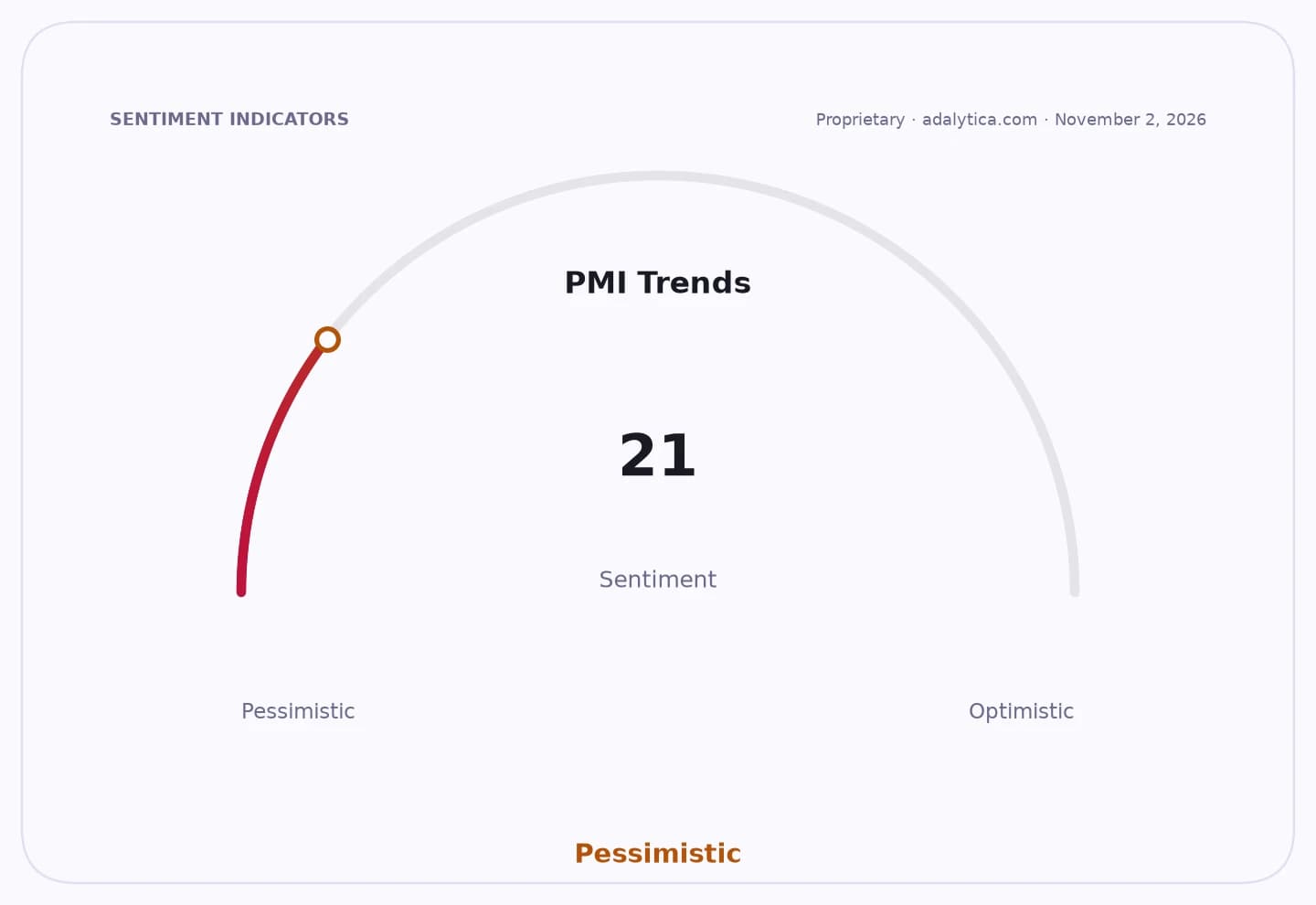
Sentiment Indicators

The squeeze matters for Asia’s second-largest cotton producer because India’s consumption is expected to stay firm at 365 lakh bales, leaving a widening gap between supply and demand. CAI sees total supply at 417.88 lakh bales, including 72.88 lakh bales of carryover stocks and 65 lakh bales of imports, underscoring how the market is becoming increasingly dependent on overseas fiber.
That should support import flows from major exporting countries and help textile mills secure better-quality cotton, especially after the government extended duty relief on cotton imports through the end of December. CAI said imports could match or exceed last year’s 71.6 lakh bales, versus just 41 lakh bales in 2024-25, as mills take advantage of competitive landed prices.
The regional picture is uneven, but the broader trend is lower output almost everywhere except parts of the north. Production in the central region is seen falling to 176 lakh bales from 199.35 lakh bales, while the south is projected to drop to 71 lakh bales from 93.84 lakh bales. Gujarat is expected to ease to 66 lakh bales from 68.5 lakh bales, while northern output may inch up to 28 lakh bales from 27 lakh bales.
For investors, the key implication is firmer raw material costs for textile and apparel makers, more import demand for global traders and merchants, and potentially tighter domestic inventories by the end of the season. CAI expects exports to fall about 20% to 12 lakh bales, while ending stocks on Sept. 30, 2027 are projected to drop sharply to 40.88 lakh bales from 72.88 lakh bales a year earlier.
With Maharashtra still battling drought and emergency water measures expanding there, the next focus will be whether weather losses deepen further and whether import volumes rise enough to cushion mills before the new season tightens the market even more.
| Entity | Gains | Losses |
|---|---|---|
| Indian textile mills | ▲Cheaper import access | ▼Higher raw material risk |
| Global cotton exporters | ▲Stronger India demand | ▼Lower Indian export availability |
| Maharashtra farmers | ▲Emergency relief support | ▼Drought-hit yields |
| Domestic cotton growers | ▲Possible price support | ▼Lower production volumes |