Global grain markets are entering the 2026/27 season with bigger inventories, softer prices and weaker trade flows, a combination that could keep wheat and corn under pressure even as supply remains unevenly distributed across exporting regions.
IGC raises 2026/27 grain stocks forecast

The International Grains Council raised its forecast for world grain stocks to 626 million tons at the end of the season, up 7 million tons from the prior estimate, as larger opening inventories and heavier holdings in Russia and Ukraine more than offset other regional shifts. Even so, the council still sees ending stocks roughly 2% below 2025/26, underscoring that the market is not awash in grain so much as balancing a modest supply cushion against still-firm consumption.
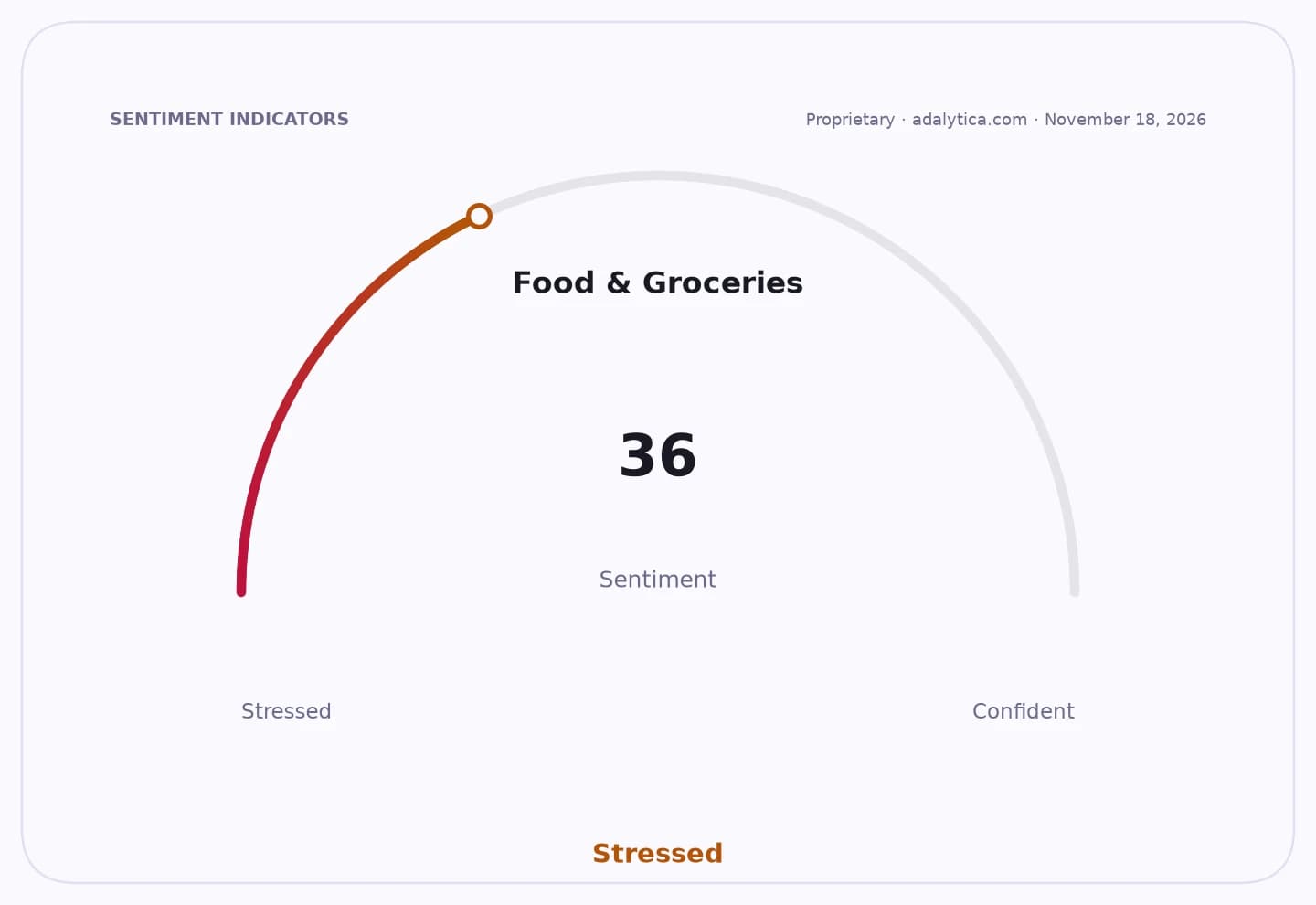
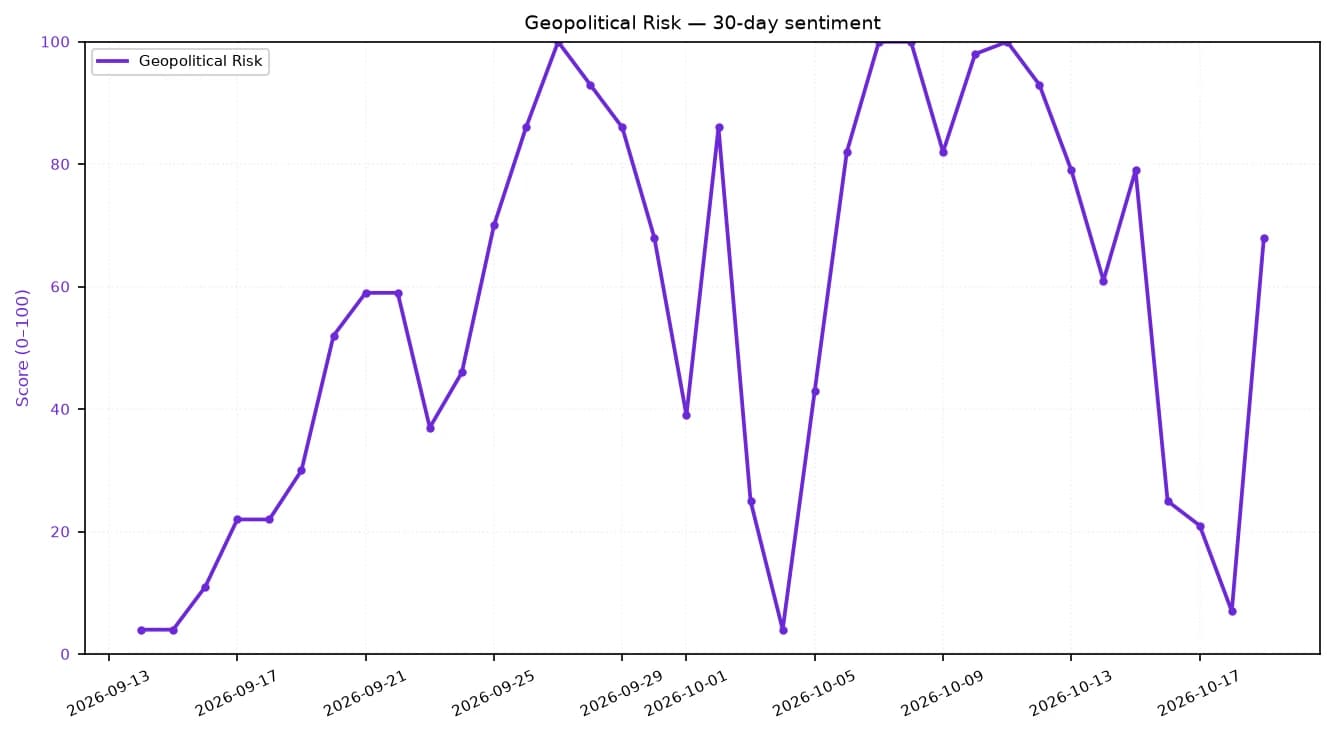
Sentiment Indicators

That balance matters because demand is still running ahead of output. The IGC lifted its 2026/27 global grain production estimate to 2.428 billion tons, but that is still about 3% below the previous season’s record. It also trimmed consumption to 2.444 billion tons, yet use remains about 16 million tons above production. In practice, that means the market is drawing on reserves rather than rebuilding them, limiting how far prices can recover unless weather, logistics or geopolitics tighten supplies more sharply than expected.
Trade is offering little relief. The council projects world grain commerce at 449 million tons, down about 4% year on year, with wheat, barley and corn shipments all expected to slow. That weaker trade backdrop is particularly important for Black Sea exporters, where stocks are concentrating in Russia and Ukraine while many other regions face declines. For buyers, that raises the risk of more localized competition for cargoes. For exporters, it means fiercer pricing pressure and more dependence on freight, currency moves and access to ports and corridors.

The price response has already been swift. The IGC’s grain and oilseeds index fell 4% in the reporting period to a three-month low, with wheat and corn sub-indices each down 7%. Wheat is being weighed by expectations for solid southern hemisphere harvests, diplomacy around the Black Sea conflict and currency swings. Corn is under pressure from larger U.S. availability, stronger export competition and improving crop prospects in South America. Together, those factors are shifting bargaining power toward importers and away from producers that had benefited from earlier supply shocks.
That backdrop is showing up in grain-linked markets too. Corn futures have slid to $16.90, below both the 50-day and 200-day moving averages, while wheat futures have fallen to $21.44 after retreating from recent highs. The technical setup points to fading momentum rather than a short-lived correction, particularly with corn’s relative strength index still near the lower end of its recent range and wheat trading well below its summer peaks. Broader agricultural sentiment has also cooled, with the MOO agriculture ETF down from early-year highs, reflecting weaker confidence in the pricing power of crop producers.
For investors, the key question is whether this is the start of a more durable disinflationary phase in grains or merely a pause before weather and geopolitical risks reassert themselves. A prolonged buildup in Black Sea inventories would favor downstream users such as food manufacturers, feed buyers and import-dependent economies. But if export channels tighten again — through shipping disruptions, conflict escalation or policy intervention — wheat and corn could reprice quickly. For now, the market is telling a straightforward story: supply is becoming more comfortable, demand is still not weak enough to close the gap, and that leaves grain prices vulnerable.
| Entity | Gains | Losses |
|---|---|---|
| Importers and food buyers | ▲Lower input costs | ▼Less urgency to secure supply |
| Black Sea exporters | ▲Bigger regional stocks | ▼Fiercer price competition |
| Feed users and livestock producers | ▲Cheaper corn and wheat | ▼— |
| Grain producers | ▲— | ▼Softer export prices |