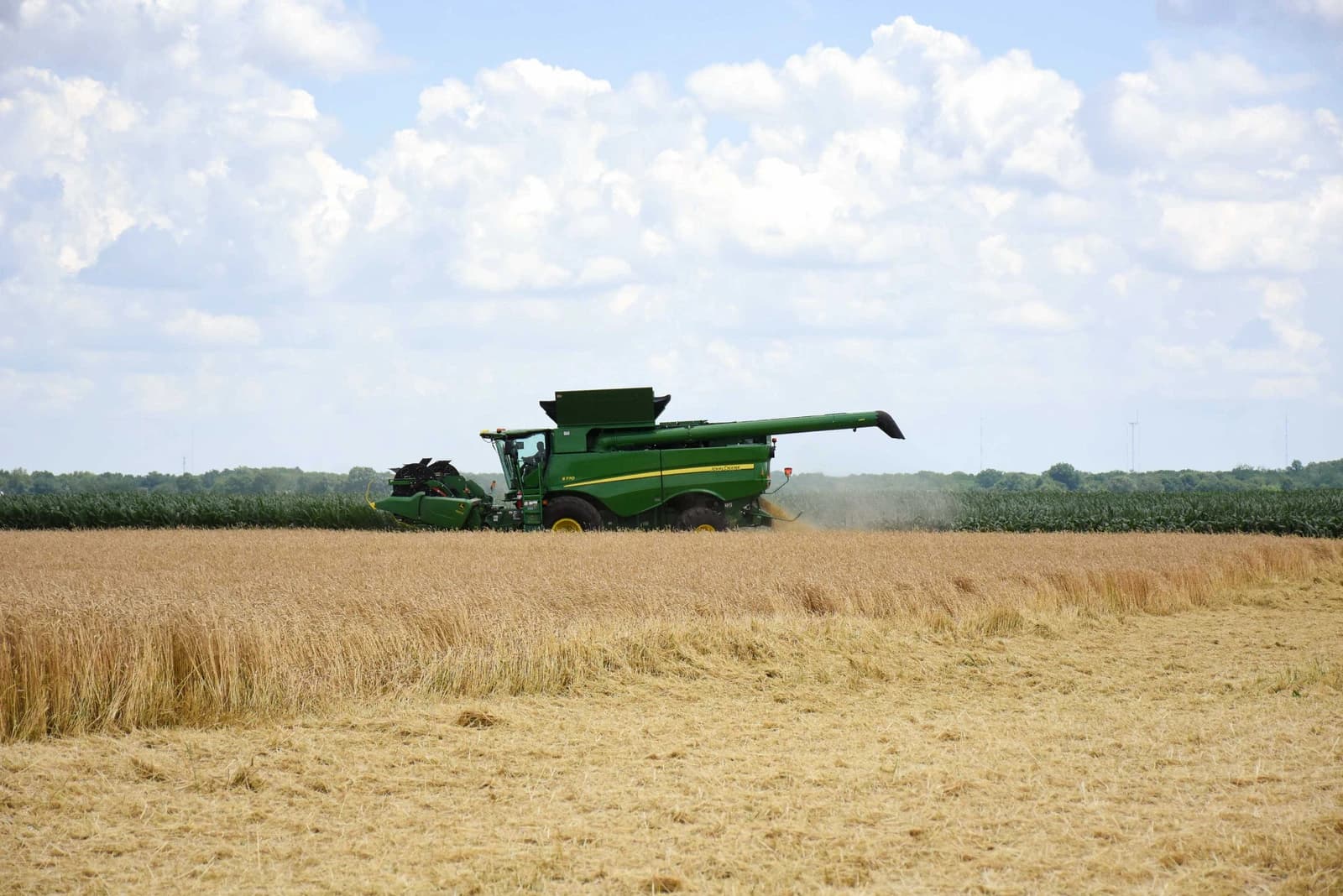
Ukraine has harvested 50.1 million tons of grain and 18.1 million tons of oil crops as of Nov. 17, underscoring the country’s ability to keep a large share of its crop output moving despite wartime disruption and persistent export bottlenecks.
Ukraine grain harvest reaches 50.1 million tons
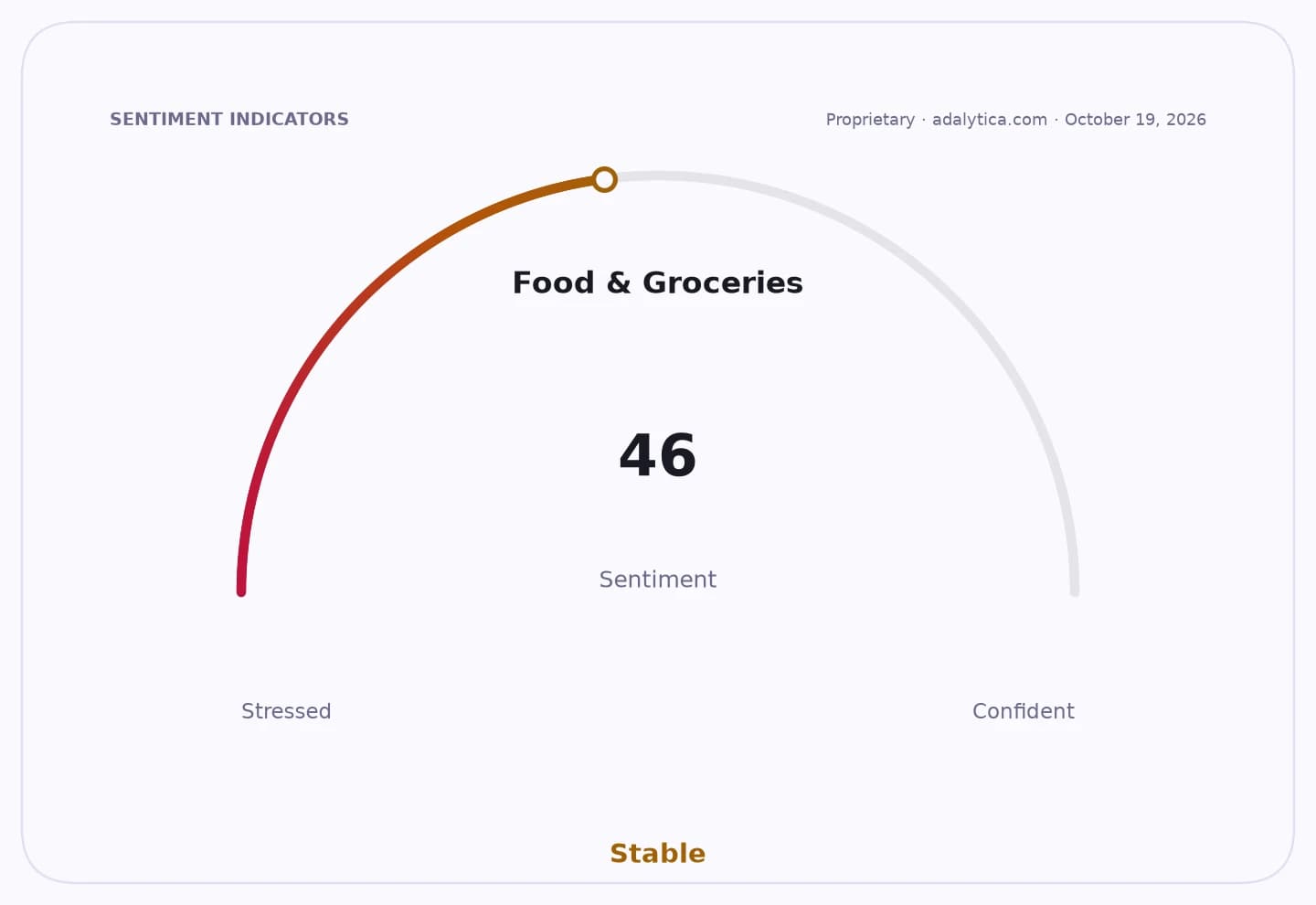
Food & Groceries
The volume matters because Ukraine remains a key supplier of wheat, corn and sunflower products to global markets. Any shortfall in the final stages of the harvest can tighten Black Sea supply, support international grain prices and complicate food-cost forecasts for import-dependent countries.
Sentiment Indicators
The Agriculture Ministry said farmers had finished collecting wheat, barley, peas and rapeseed, while late crops including corn, buckwheat, millet, sunflower and soybeans were still being harvested. Grain collection covered 82.4% of planted area, suggesting the bulk of the crop is already in bins, but the final yield picture still hinges on the late-season corn harvest.
Wheat output reached 26.3 million tons, barley 6.6 million tons, peas 834,100 tons and rapeseed 3.9 million tons. Oilseed harvests for soybeans, sunflowers and rapeseed totaled 18.1 million tons, while sugar beet collection stood at 7.46 million tons.
For investors, the data is a reminder that Ukraine’s agricultural sector remains a major swing factor for global grain and oilseed pricing, freight demand and margins for food makers and traders. U.S.-listed grain proxies such as Teucrium Wheat ETF and Teucrium Corn Fund were weaker in recent sessions, with corn and wheat prices still well below their recent highs, reflecting ample supply expectations even as the market watches Ukraine’s final corn yields.
The key risk now is the pace and size of the remaining corn and soybean harvest, especially if logistics or export constraints intensify. Any deterioration there would be felt first in Black Sea trade flows, then in global feed and food markets.
| Entity | Gains | Losses |
|---|---|---|
| Ukrainian farmers | ▲Harvest revenue secured | ▼Late-crop weather/logistics risk |
| Global grain buyers | ▲More crop supply confirmed | ▼Less upside from tighter markets |
| Commodity traders | ▲Better harvest visibility | ▼Volatility if corn yields disappoint |
| Import-dependent countries | ▲Near-term food supply steadier | ▼Higher prices if exports stall |