Ukraine’s ability to push more grain out by rail in October is a small but important sign that the country’s agricultural export machine is still functioning despite relentless war damage to its ports and shipping lanes.
Ukraine grain rail exports rise 26% in October
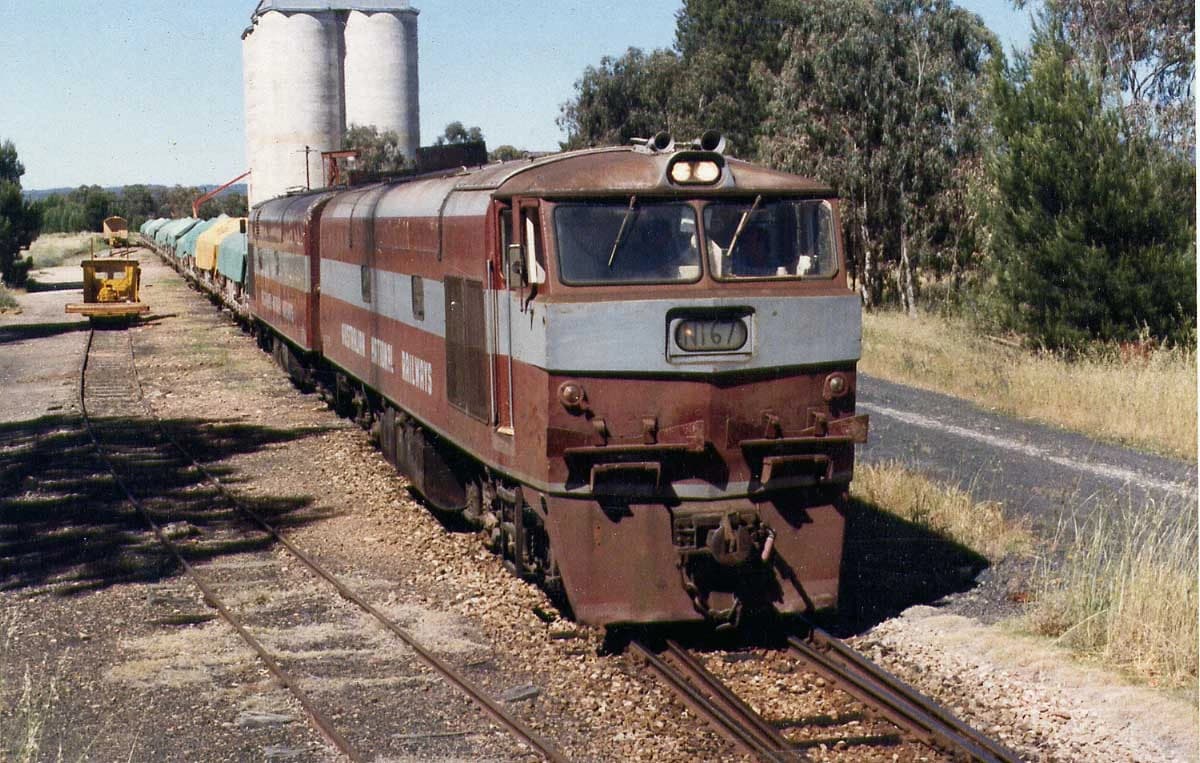
Volumes of Ukrainian grain transported for export increased 26% month on month in October, according to the railway operator, a reminder that logistics—not just harvest size—now determine how much cash farmers and the broader economy can actually realize. In a country where grain remains a key source of export revenue, every extra trainload matters for foreign currency inflows, farm incomes and the government’s fiscal stability.
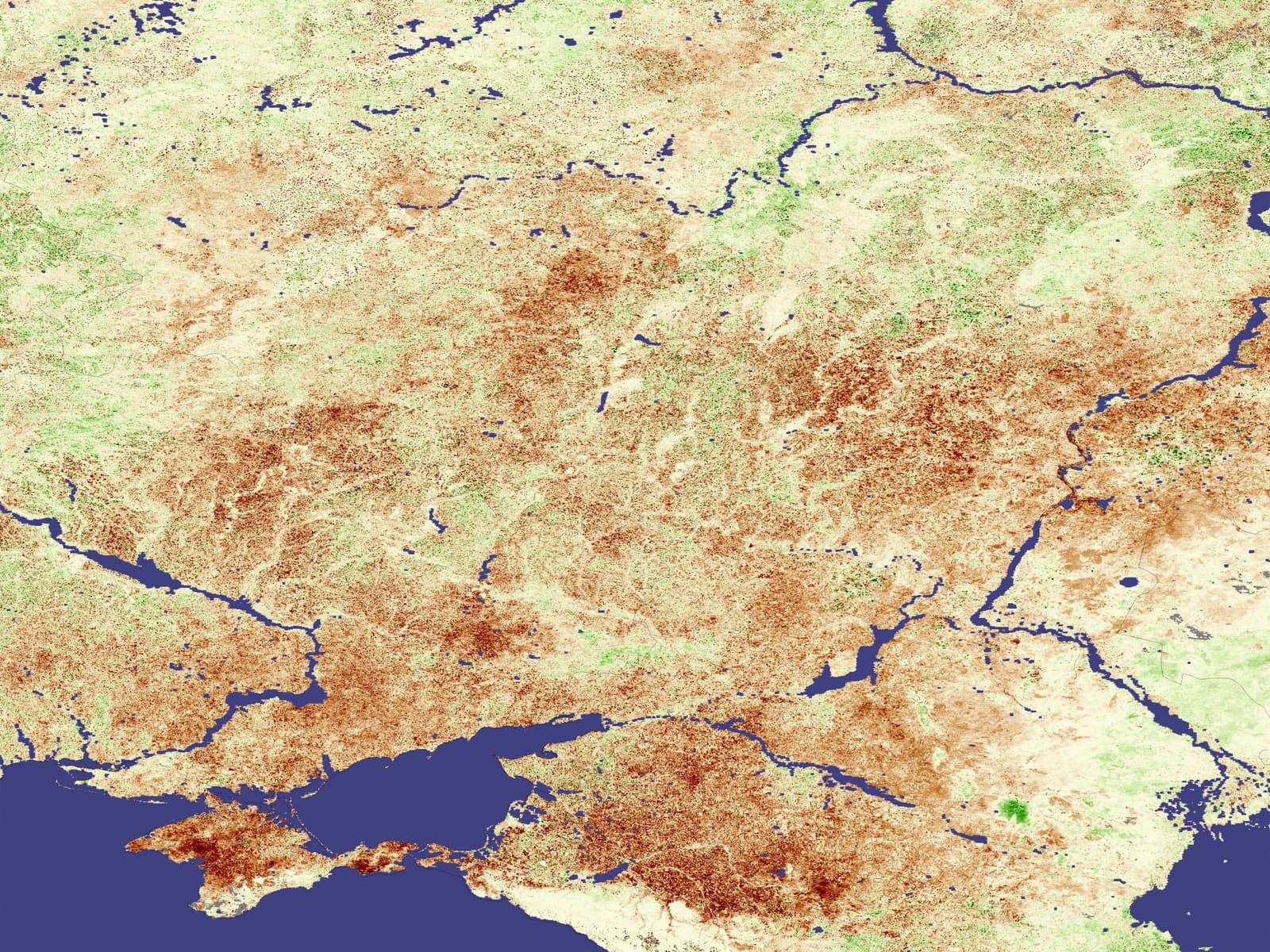
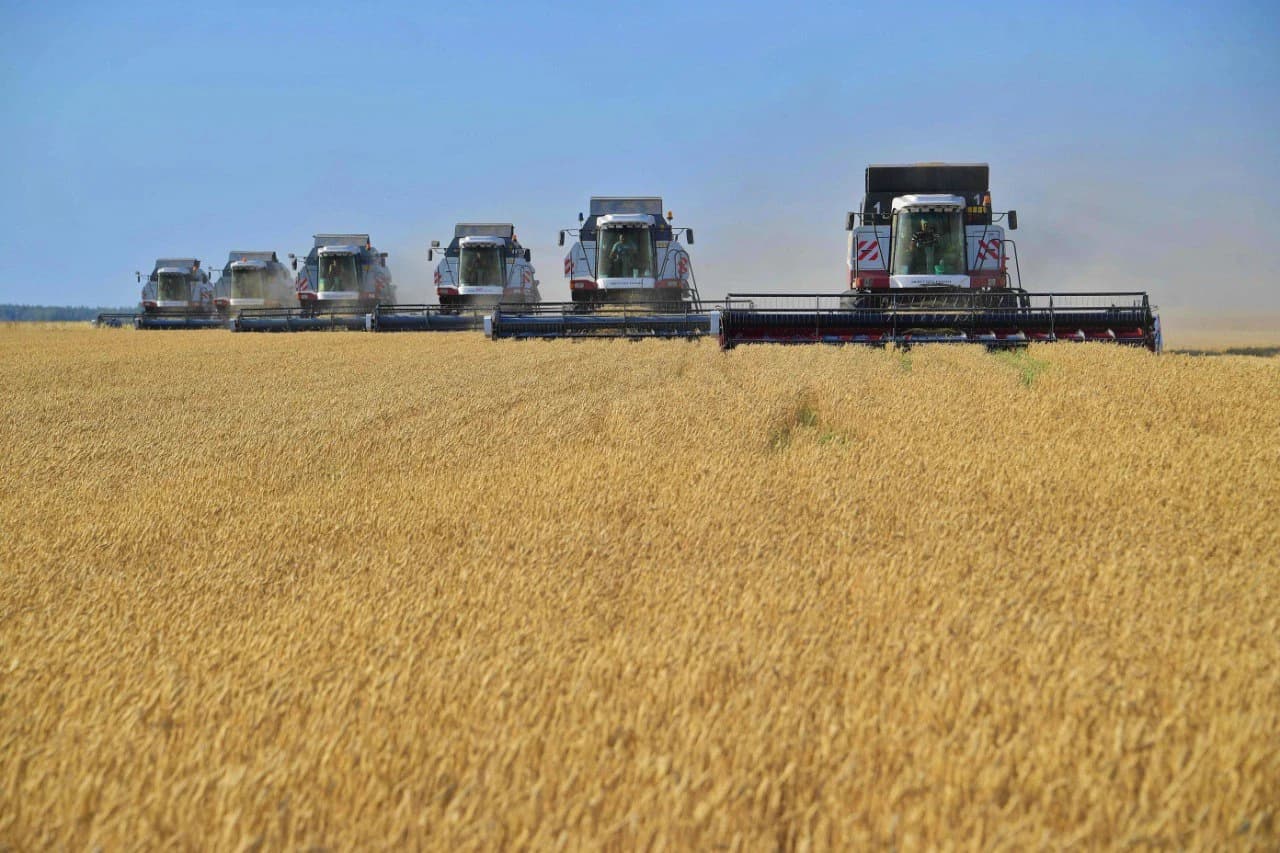
The improvement comes as Russia’s attacks have kept pressure on Ukraine’s Black Sea export infrastructure, forcing more cargo onto longer and costlier inland routes. That makes rail performance a strategic issue, not just an operational one. If wheat and corn cannot move efficiently, a strong harvest turns into storage problems, lower farmgate prices and weaker earnings for producers and exporters.
For investors, the story is less about a single monthly jump and more about resilience in a market that has been anything but stable. Ukraine is still a major supplier in global grain trade, and any sign that export channels are holding up can ease fears of a sharper supply shock. That matters for agricultural commodity pricing, for freight and logistics businesses tied to the corridor, and for exchange-traded funds such as the Invesco DB Agriculture Fund and Teucrium Wheat Fund that track the sector.
It also helps explain why wheat has stayed sensitive to every headline out of the Black Sea region. Technical readings on the wheat ETF have been weak, with the fund trading well below its 50-day average and momentum indicators showing the market remains under pressure. That suggests traders are still focused on disruption risk even as rail volumes improve, rather than assuming a clean recovery in exports.
The broader takeaway for long-term investors is that Ukraine’s grain story is now about adaptation. Ports remain vulnerable, but rail and alternative routes are cushioning the blow. If those channels continue to improve, global wheat and corn markets could gradually absorb more of Ukraine’s output than many feared. If not, the world’s food supply chain stays exposed to another round of price volatility.
For investors who follow agricultural commodities or global food-security trends, this is worth watching, but not chasing. The important question is whether Ukraine can keep exporting consistently through the winter, not whether one month looks better than the last.
| Entity | Gains | Losses |
|---|---|---|
| Ukrainian farmers | ▲More export access | ▼Less grain trapped at home |
| Railway operators | ▲Higher freight volumes | ▼Pressure from war-related disruption |
| Global wheat buyers | ▲Better supply flow | ▼Fewer shortage premiums |
| Black Sea exporters | ▲Alternative route support | ▼Port and shipping bottlenecks |