Kazakhstan’s offer to supply up to 500,000 tonnes of wheat to Israel is a small headline with a big market message: grain exporters are actively redrawing trade routes to keep cargo moving as geopolitics reshapes the world’s food map.
Kazakhstan Offers Wheat Supply to Israel
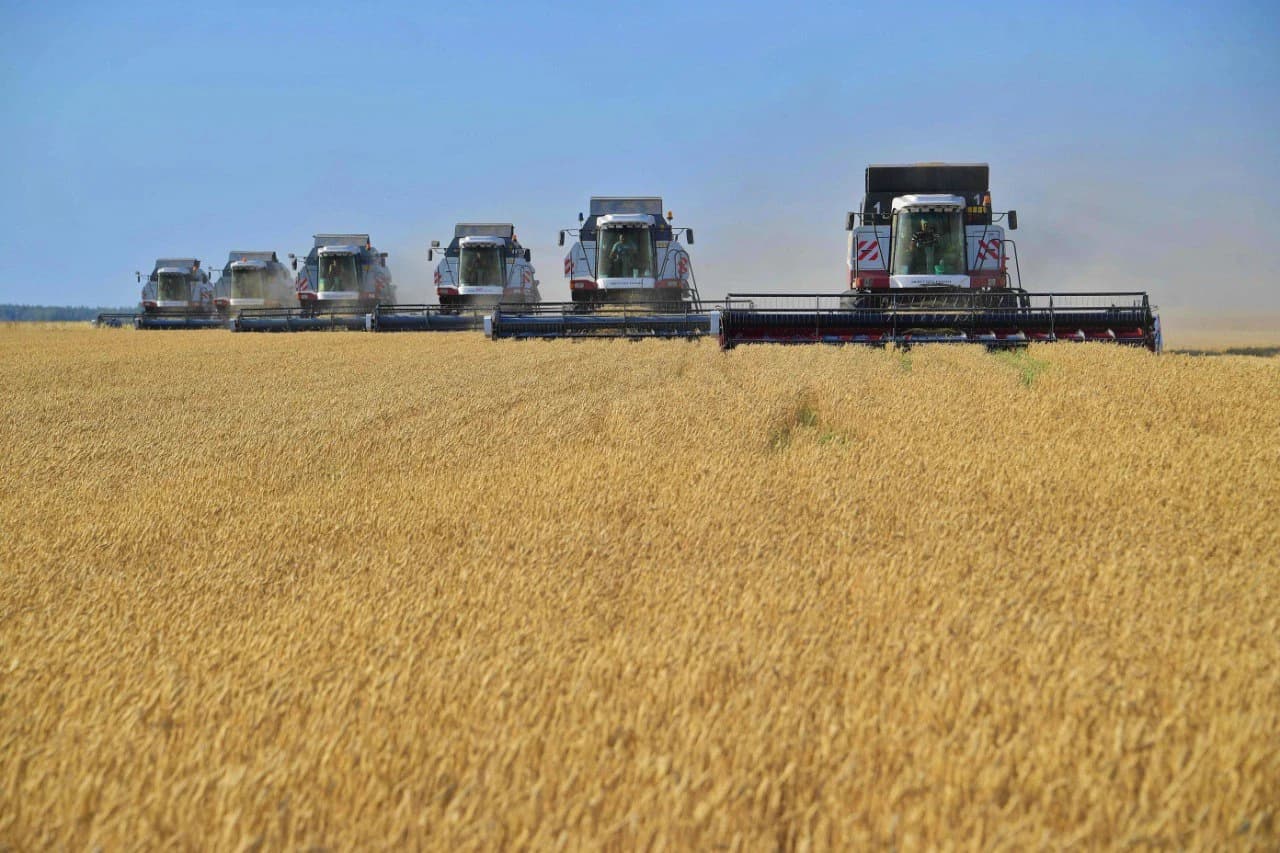
The Kazakh Food Corporation said it is prepared to sign long-term contracts for 200,000 to 500,000 tonnes of food wheat for the Israeli market, with shipments potentially moving through Azerbaijan and Georgia or via Baltic Sea ports. That matters because the story is no longer just about who can sell wheat, but who can still reliably deliver it. In a market where logistics risk, sanctions, war exposure and shipping bottlenecks increasingly determine price and market access, route flexibility is becoming as important as acreage.
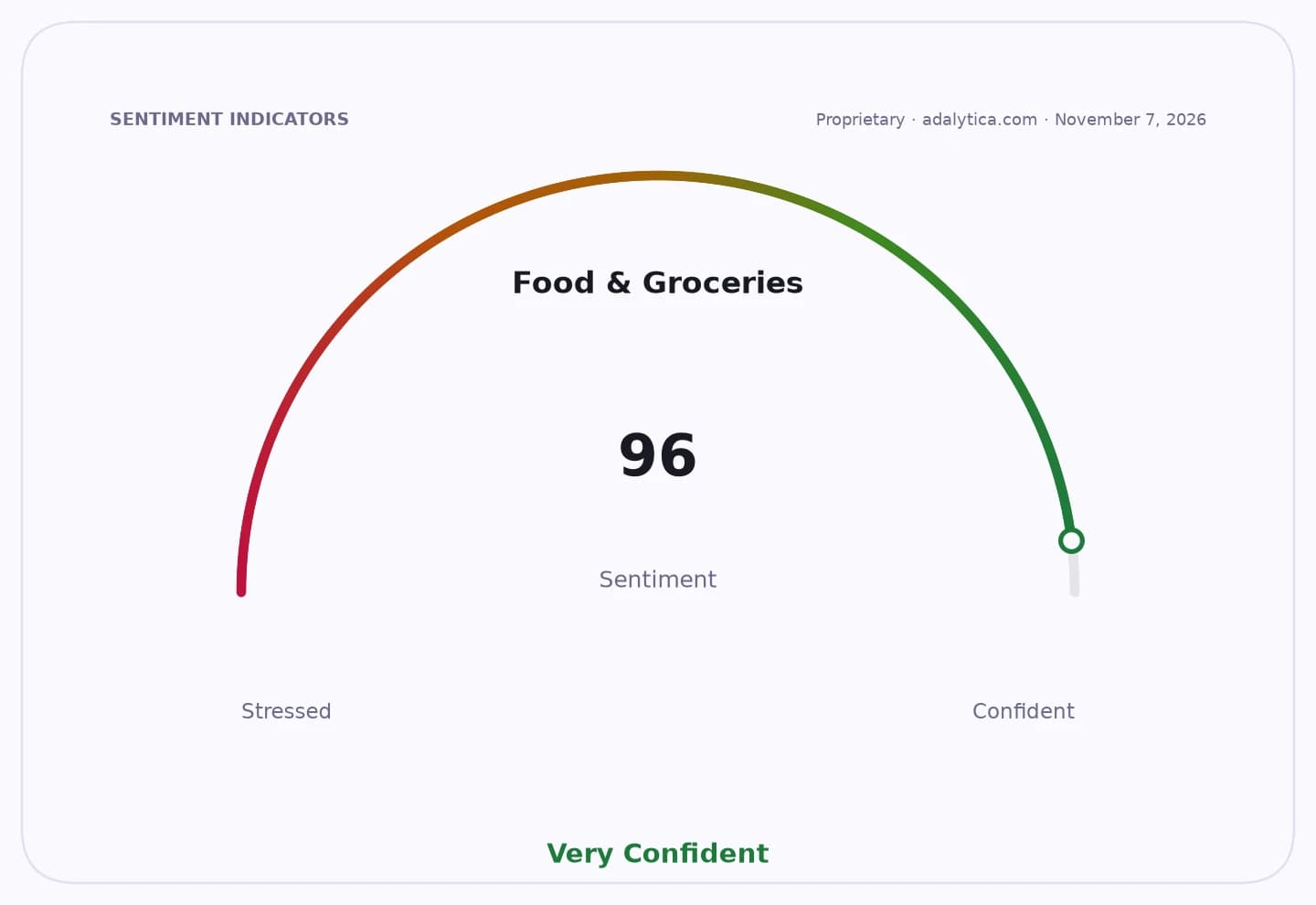
Sentiment Indicators
For Kazakhstan, the move is a reminder that grain exporters are competing not only on volume but on corridor control. The state-backed Food Corporation exists to stabilize the domestic grain market and promote exports, so any long-term deal with Israel would help anchor sales and reduce dependence on more volatile spot demand. For Israel, which relies on imported wheat to support food security, diversified sourcing lowers the risk of supply shocks at a time when the global grain trade remains vulnerable to conflict and transport disruption.
Investors should not miss the second-order effect: this is bullish for the grain infrastructure complex, not just wheat itself. Alternative routes through the Caucasus and Baltic ports imply more demand for storage, handling, rail, port and shipping capacity, and they reinforce the case for agricultural traders and logistics operators that can monetize fragmented trade flows. It also underscores why wheat supply chains may stay structurally tighter than the crop balance sheets suggest — not because the world lacks grain, but because the world keeps making grain harder to move.
That backdrop helps explain why wheat-focused assets remain under pressure even as trade diplomacy creates occasional bursts of support. Wheat prices have been softer on weak demand and oversupply concerns, while corn and soybeans have shown more strength in parts of the market. The divergence says traders are still pricing in ample global wheat availability, but they are also increasingly sensitive to policy and shipping routes. In other words, wheat is becoming a logistics trade as much as a crop trade.
The investment takeaway is straightforward: the market underestimates the value of firms that sit on the choke points of global food distribution. Grain merchants, port operators, rail corridors and fertilizer names tied to export agriculture can benefit even when wheat prices themselves stay subdued. The Kazakhstan-Israel deal is a reminder that in a geopolitically fractured world, the winners are often the companies that move the crop, not just the farmers who grow it.
| Entity | Gains | Losses |
|---|---|---|
| Kazakhstan Food Corporation | ▲Export contracts | ▼Domestic stock pressure |
| Israel importers | ▲Supply security | ▼Spot-market risk |
| Grain logistics operators | ▲Transit demand | ▼Route bottlenecks |
| Wheat producers/sellers with rigid routes | ▲Fewer options | ▼Lost market access |