Mumbai’s Mithi River desilting scandal matters because it is not just a corruption case — it is a direct hit to the city’s flood-defense system, with investigators alleging ₹65.54 crore was siphoned out through inflated tenders, machinery costs and fake silt-removal records.
Mumbai Mithi River Desilting Scam Probe Expands
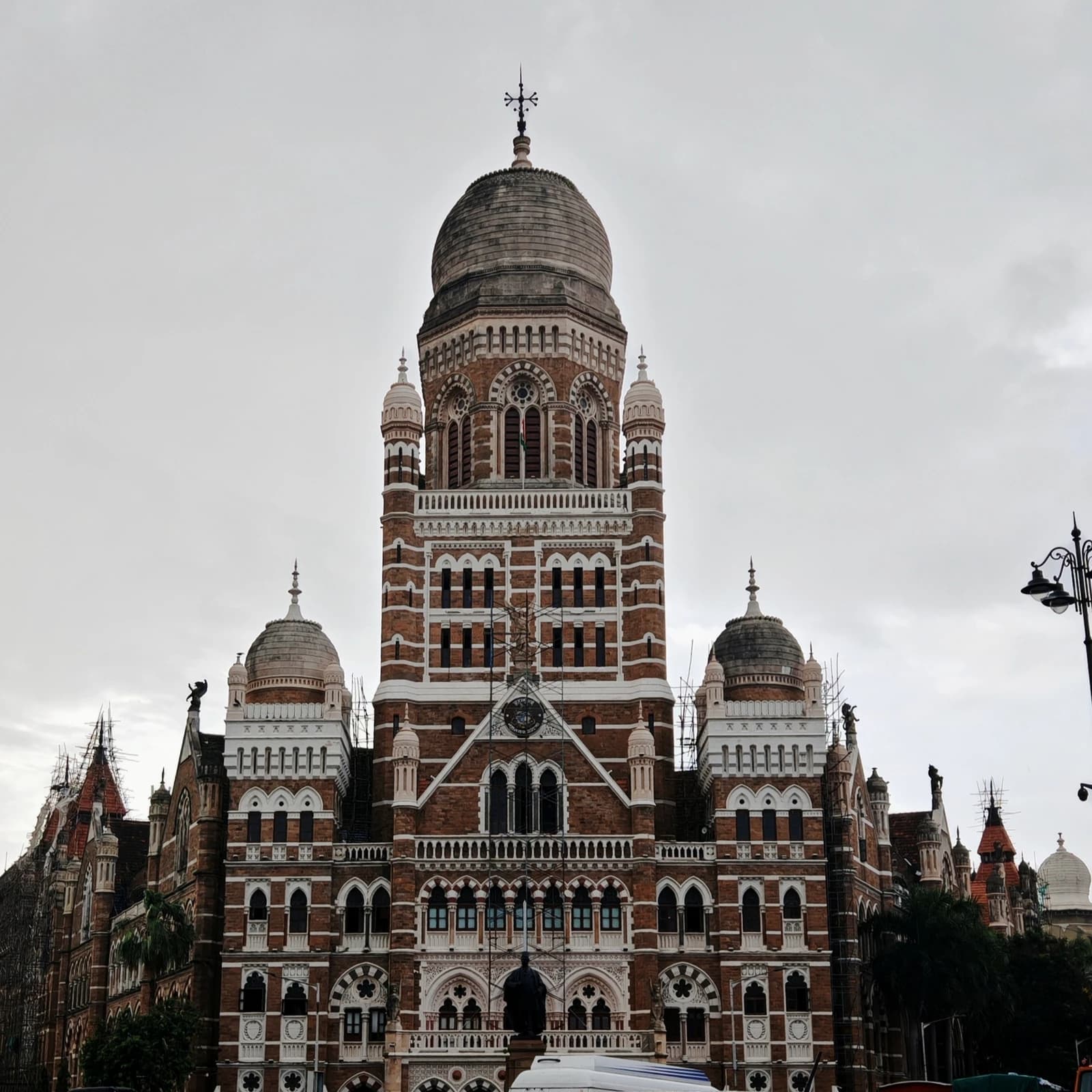
That is the economic core of the story. The Mithi River is one of Mumbai’s key drainage channels, and desilting is meant to reduce flood risk in a city that still lives with the memory of the 2005 deluge. If payments were tied to the weight of sludge removed, as investigators allege, then falsified records would not only have drained municipal coffers but also raised the possibility that critical work was never fully done.
The Mumbai Police’s Economic Offences Wing has booked 13 people and says it is examining how contractors were selected, how equipment was priced and whether procurement was effectively rigged around specific machinery. Investigators suspect civic officials and intermediaries shaped tender specifications to match equipment from Matprop Technical Services, then pushed contractors into allegedly inflated rental arrangements through linked entities. That is the sort of procurement abuse that can turn public works into private toll roads.
For investors and markets, the importance is broader than a single municipal scam. India’s infrastructure cycle is being powered by huge public capital spending, and that makes execution risk a real investment variable. Every headline like this increases pressure on local governments, contractors and vendors to show cleaner procurement, tighter audit trails and better digital tracking of project volumes. The winners in that environment are compliant engineering firms, technology-enabled contractors and forensic audit services; the losers are politically connected intermediaries and opaque subcontracting chains.
The case also underscores why governance matters as much as growth in India’s buildout story. When a flood-control project can allegedly be gamed through manipulated records and overcharged machinery, the market has to price not just revenue growth in infrastructure, but the quality of that revenue. That can widen the valuation gap between transparent operators and firms that depend on discretionary civic awards.
Actor Dino Morea’s questioning has added attention, but it remains secondary to the bigger issue: the alleged financial architecture behind the contracts. Police have not named him as an accused, and the Enforcement Directorate is separately tracing possible money flows under anti-money-laundering laws. The real catalyst now is whether the probe widens into a larger network of contractors, officials and intermediaries, or whether it stays confined to a specific set of awards.
Either way, this is a reminder that India’s infrastructure boom is only as durable as the institutions that govern it. For investors, the takeaway is simple: favor the picks-and-shovels names that thrive on clean execution, and be wary of any business model that depends on murky public contracts.
| Entity | Gains | Losses |
|---|---|---|
| Mumbai civic reforms | ▲Stronger scrutiny | ▼Short-term embarrassment |
| Compliant infrastructure firms | ▲Cleaner tender access | ▼Less room for inflated margins |
| Contractors and intermediaries under probe | ▲None | ▼Arrest risk, contract losses |
| Mumbai taxpayers and flood-control system | ▲Potential accountability | ▼Alleged ₹65.54 crore loss |
