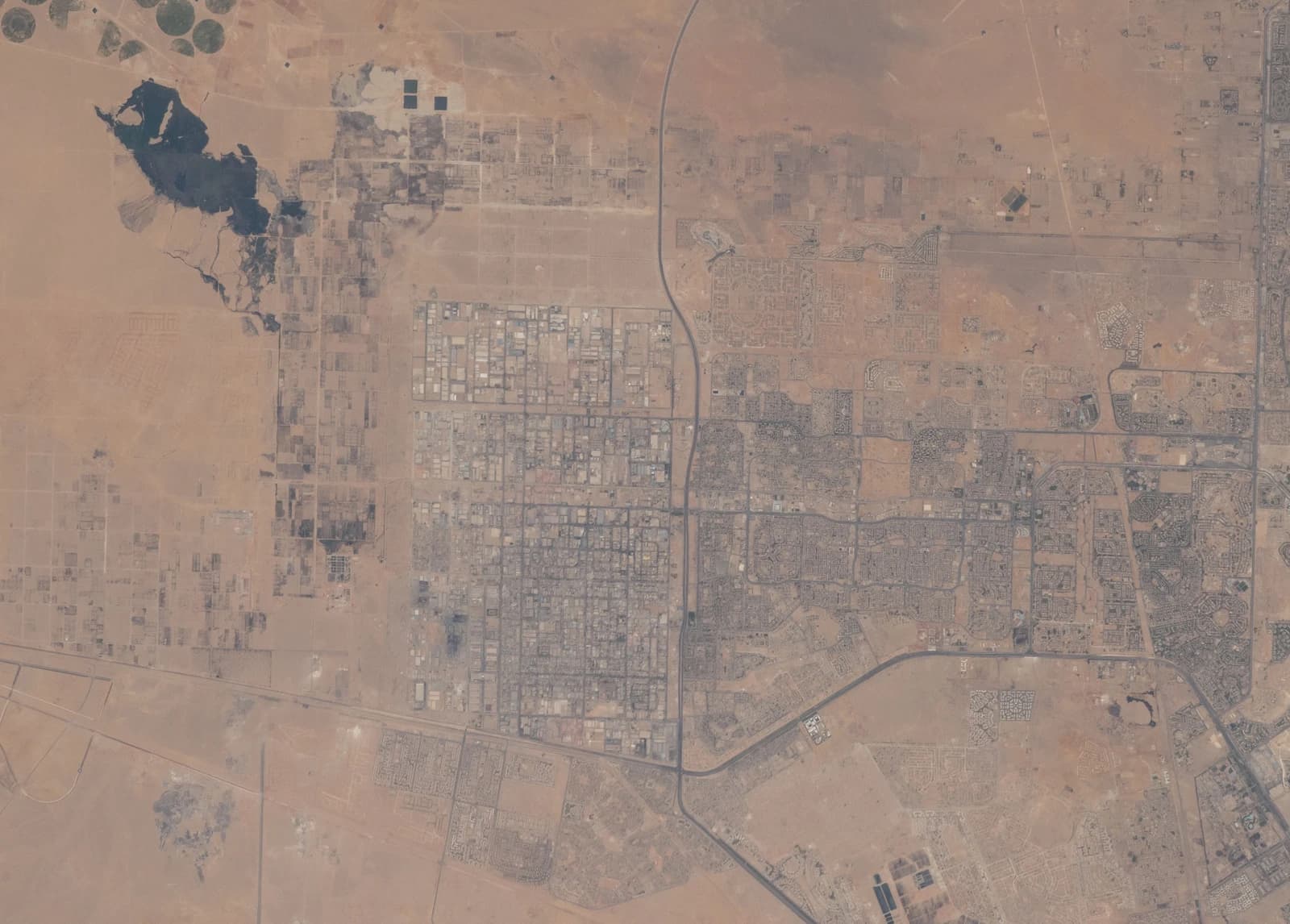
India’s completion of its first rock dam across the Indus River in Ladakh is more than a local infrastructure milestone: it is a clear signal that New Delhi intends to squeeze far more economic value out of Himalayan meltwater after freezing the Indus Waters Treaty.
India Ladakh rock dam on Indus River
That matters because water in this region is not just an environmental issue — it is a strategic asset. The new dam at Upshi has raised water levels by 10 feet and is designed to store about 40 million litres for irrigation through the Igoo Fe canal, helping farmers in a drought-prone area that has long struggled to capture even a sliver of the runoff from snow and glaciers. India says the broader plan includes 36 rock dams, at a cost of about 560 million rupees, with seven on the Indus in Leh and 29 on the Suru River in Kargil.
For investors, the message is twofold. First, water infrastructure spending in India is likely to remain a durable theme as climate stress, agriculture needs and borderland development collide. Second, the completion underscores how geopolitical friction can redirect capital toward domestic resilience projects. When governments treat water as security, not just supply, it tends to favor contractors, construction materials suppliers and infrastructure-linked local businesses over time.
The economic payoff could be meaningful even if the amounts sound modest at first glance. Ladakh currently uses less than 1% of the water flowing from its melting snow and glaciers. India says the 36 planned dams could help irrigate more than 18,600 acres of farmland. In a region where sowing windows are narrow and drought has been a constant threat, that kind of storage can improve crop yields, reduce losses and strengthen rural incomes.
The political backdrop is impossible to ignore. The project comes after India suspended the Indus Waters Treaty, which had long governed river sharing with Pakistan. By building storage before the river crosses into Pakistan, India is effectively saying it will maximize upstream use for its own border communities first. That is a stark shift in tone, and it could keep the Indus basin in the center of bilateral tensions for years.
The stock-market read-through is not about a single listed company or a one-day move. It is about a long-term capital cycle around water, irrigation, terrain hardening and climate adaptation. Investors looking beyond the headline should watch for broader public spending in remote infrastructure, engineering and construction activity, and any escalation that turns water management into a more persistent geopolitical risk.
For long-term investors, the takeaway is simple: projects like this are part of a larger shift toward resilience spending in India. That makes water security a theme worth watching, not trading.
| Entity | Gains | Losses |
|---|---|---|
| Ladakh farmers | ▲More irrigation water | ▼Less drought stress |
| India | ▲Greater water control | ▼Higher geopolitical friction |
| Pakistan | ▲None | ▼Reduced downstream leverage |
| Infrastructure contractors | ▲More project spending | ▼Execution and policy risk |