Nacional Financiera’s successful 9.75 billion peso bond sale shows there is still strong demand for Mexican development-bank paper, and that matters because it gives the government a cheaper way to push credit toward small businesses and strategic industries without relying entirely on commercial lenders.
Nafin sells 9.75 billion peso bond
For investors, the key point is that Nafin was able to increase the deal from an initial target of 7.5 billion pesos after orders reached 10.137 billion pesos, or 1.35 times the original goal. That kind of reception matters in any market: it tells you local liquidity is available for high-grade Mexican debt, and that buyers are comfortable backing state-linked financing tied to the government’s industrial policy.
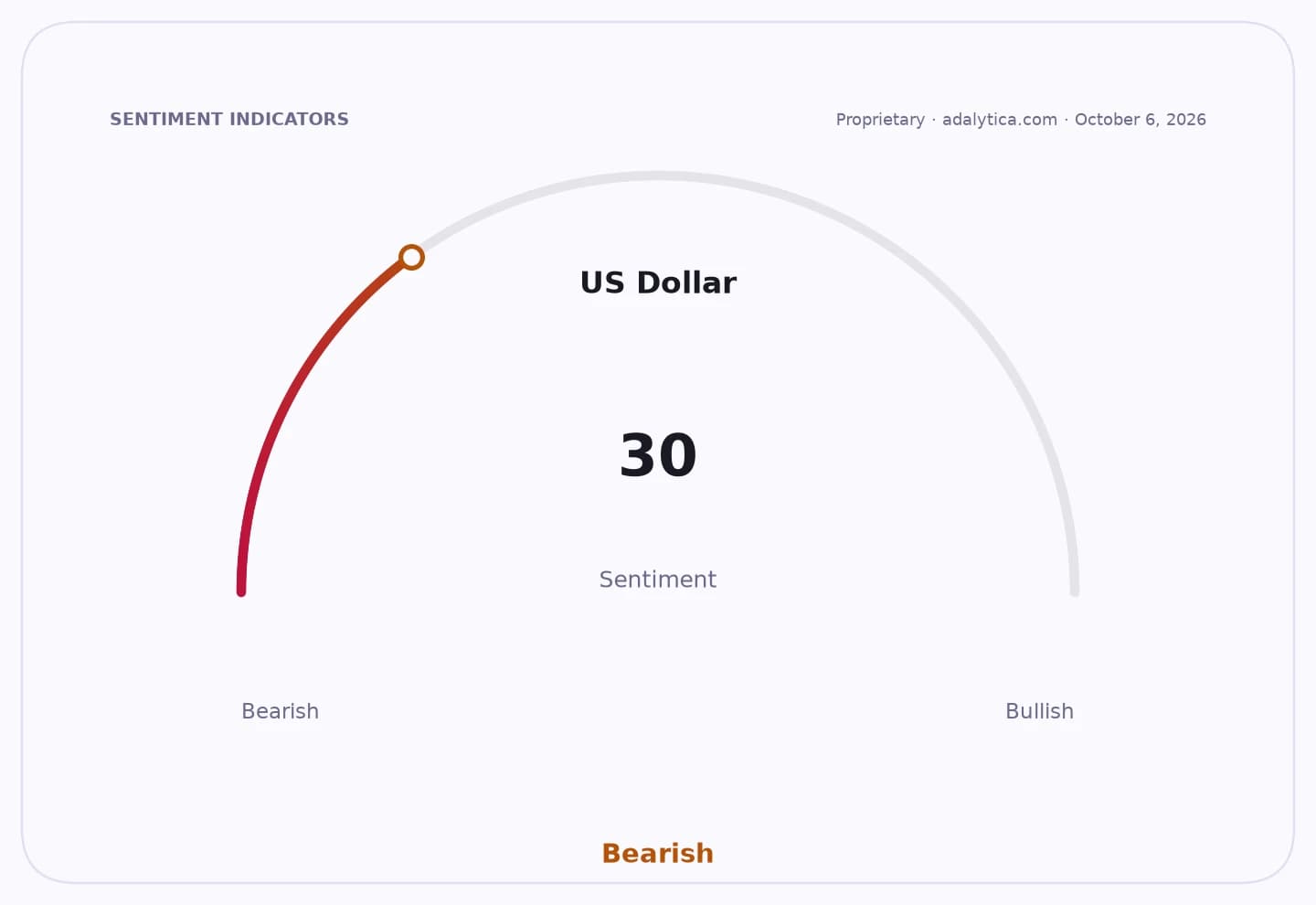
Sentiment IndicatorsⓘProprietary · adalytica.com · October 6, 2026
This is a snapshot — live sentiment, awareness and momentum for 130+ markets update continuously in the dashboard.Open AlphaPulse
The certificates, NAFR 26-3, carry a 3.3-year maturity and pay floating interest every 28 days at TIIE de Fondeo plus 23 basis points. They also come with the top national ratings from Fitch and HR Ratings, AAA(mex) and HR AAA, which helps explain the demand. In plain terms, this was not a speculative trade. It was a vote of confidence in one of Mexico’s cleanest credit names and in the broader financing machinery behind Plan México.
That is what makes the transaction economically important. Nafin said the money will be deployed through second-tier lending, guarantees and direct financing for micro, small and medium-sized companies, as well as sectors deemed strategic under Plan México. Those are the businesses that tend to be most credit-constrained and the most important to domestic supply chains. If the funding reaches them efficiently, it can support investment, local production and job creation at a time when Mexico is trying to deepen its industrial base.
The timing also fits a bigger policy narrative. President Claudia Sheinbaum’s administration wants more domestic content, stronger supplier networks and more investment in manufacturing. Nafin is becoming one of the key transmission channels for that agenda, alongside programs such as Financiamiento Plan México, Credicadenas Plan México, Mujeres Empresarias and Tu Primer Crédito. For long-term investors, that means the development bank is not just raising money; it is helping shape the flow of capital in sectors that could benefit from nearshoring and import substitution.
There is also a balance-sheet angle worth watching. Nafin said the sale was its third local debt placement of 2026, part of a strategy to diversify funding sources and manage maturities orderly. At midyear, its credit portfolio had reached 279.969 billion pesos, up 14.6% from a year earlier, while its capital ratio stood at 18.8%, comfortably above its 12% prudential minimum. That combination suggests the bank has room to keep lending, which is important if Mexico wants public-sector credit support to stay durable rather than cyclical.
For investors in Mexico, the message is broader than one bond sale. Development-bank funding can be a quiet but powerful engine for corporate growth, especially for lenders, suppliers and industrial names that benefit when small and mid-sized firms can borrow and expand. The challenge, as always, is execution: credit has to reach productive businesses, not just sit in the system. Still, this deal shows the funding is there, the market is willing, and the policy push remains intact. Worth watching for long-term investors focused on Mexico’s domestic growth story.
| Entity | Gains | Losses |
|---|---|---|
| Nafin | ▲Cheaper long-term funding | ▼Higher refinancing risk if demand weakens |
| Mipymes and suppliers | ▲More credit access | ▼Less access if lending slows |
| Mexican strategic sectors | ▲Capital for expansion | ▼Dependence on policy execution |
| Investors in high-grade peso debt | ▲Top-rated floating-rate exposure | ▼Lower yield if rates fall |