Wall Street staged a broad rebound, with the Nasdaq, S&P 500 and Russell 2000 all higher, even as the Dow Jones Industrial Average finished lower and major U.S. benchmarks remained under pressure for the week.
Nasdaq Rebounds as S&P 500 Remains Under Pressure
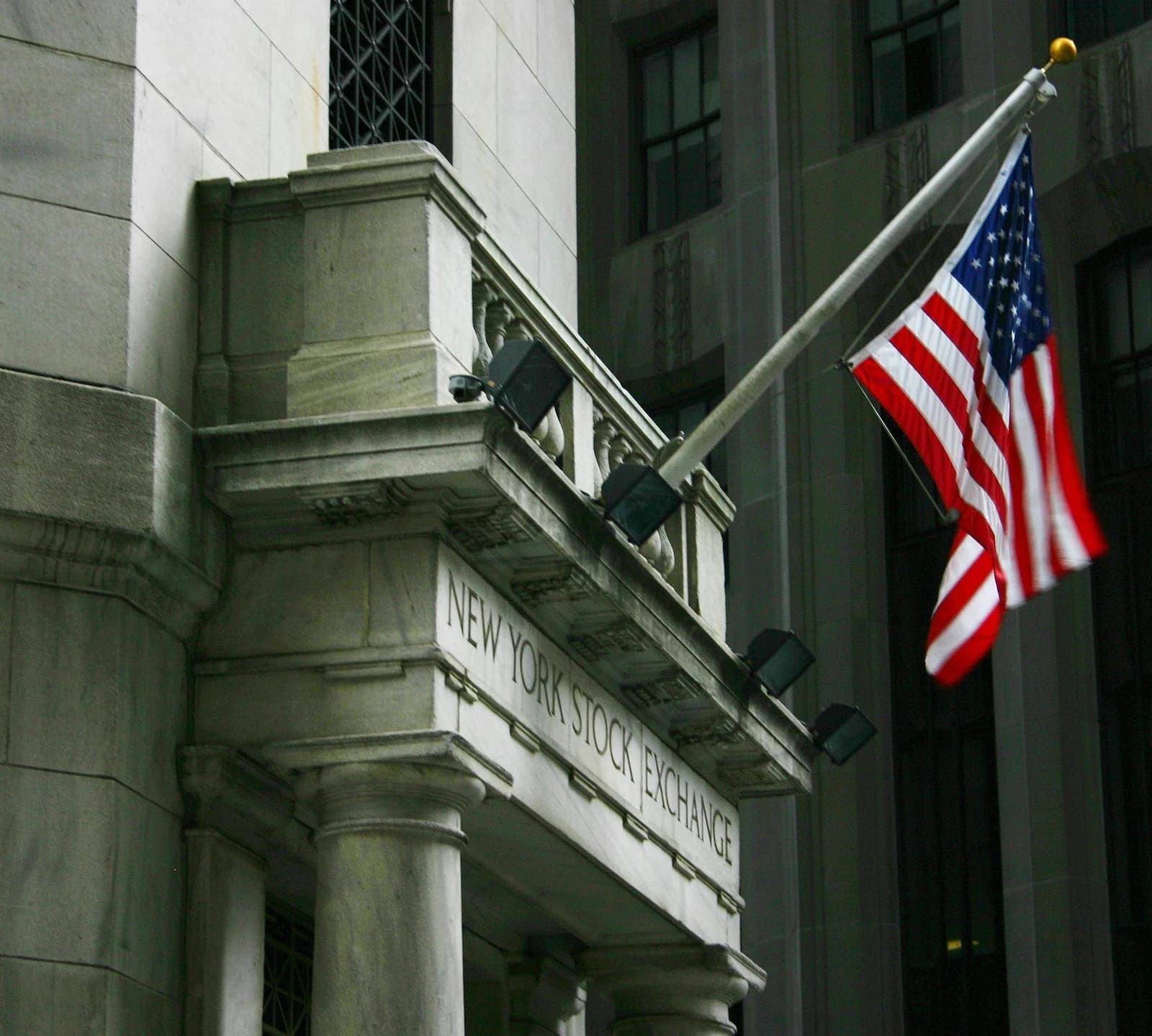
The move offered investors a reprieve after a bruising stretch for equities, but it did not fully repair the damage. The S&P 500 had its worst week in more than a year, while the Nasdaq and Russell 2000 also posted weekly declines, underscoring that one strong session does not yet equal a durable turn in risk appetite.
Sentiment Indicators

The day’s leadership came from technology and related growth names, with information technology the best-performing sector. Nvidia rose 2.8%, Advanced Micro Devices jumped 11% and SanDisk rebounded almost 4%, helping to lift the Nasdaq by 1.1%. Tesla gained 4.2%, while Airbnb climbed 12%. The gains suggest investors were willing to add back exposure to high-beta names after recent selling, especially in semiconductors and other momentum stocks that had borne the brunt of the pullback.
The Dow’s weakness, meanwhile, points to a more uneven market beneath the headline gains. Consumer staples and healthcare lagged, highlighting a rotation away from defensive groups that typically hold up better when growth fears intensify. The Russell 2000’s rise also matters because small caps tend to be more sensitive to domestic growth expectations and financing conditions; when they outperform, it can indicate greater willingness to buy economically cyclical assets.
S&P 500
But the rebound still sits within a technically fragile backdrop. QQQ, the Nasdaq-100 ETF, remained below its 50-day moving average, and its relative strength index was still in neutral-to-soft territory despite the bounce. SPY also traded close to its 50-day moving average after a sharp recovery from recent weakness. For traders, that means the market has improved from oversold conditions, but not yet regained the kind of momentum that would normally confirm a sustained uptrend.
The broader implication for investors is that the market is still being driven more by violent factor rotation than by a clean macro shift. Bulls can point to the rebound in megacap technology and semiconductors as evidence that long-term AI and growth themes remain intact. Bears will argue that the week’s losses, the Dow’s lag and the continued pressure on defensive sectors show an equity market still struggling with risk aversion, valuation stress and uneven breadth.
Adalytica’s S&P 500 trade signals showed extreme greed, while U.S. dollar signals also sat in extreme-greed territory, a combination that can leave positioning vulnerable if volatility returns. That makes upcoming macro data and earnings guidance critical: if economic numbers or corporate outlooks disappoint, the rally could prove to be another short-covering surge rather than the start of a steadier advance. If technology leadership broadens and small caps keep gaining, however, it would strengthen the case that this was more than just a one-day relief rally.
| Entity | Gains | Losses |
|---|---|---|
| Nvidia, AMD, SanDisk | ▲Rebound in semis | ▼Recent sellers |
| Nasdaq, S&P 500, Russell 2000 | ▲Broad day-session gains | ▼Weekly momentum bears |
| Dow Jones, defensives | ▲Lower close | ▼Rotation into cyclicals and tech |
| Momentum buyers | ▲Short-term recovery trades | ▼Investors expecting a sustained downturn |