The National Bank of Egypt and the European Bank for Reconstruction and Development are deepening a long-running partnership with up to $100 million of new financing aimed at Egypt’s microfinance sector, a move that could broaden access to credit for small businesses, women-led ventures and entrepreneurs outside the country’s biggest cities.
National Bank of Egypt and EBRD expand microfinance
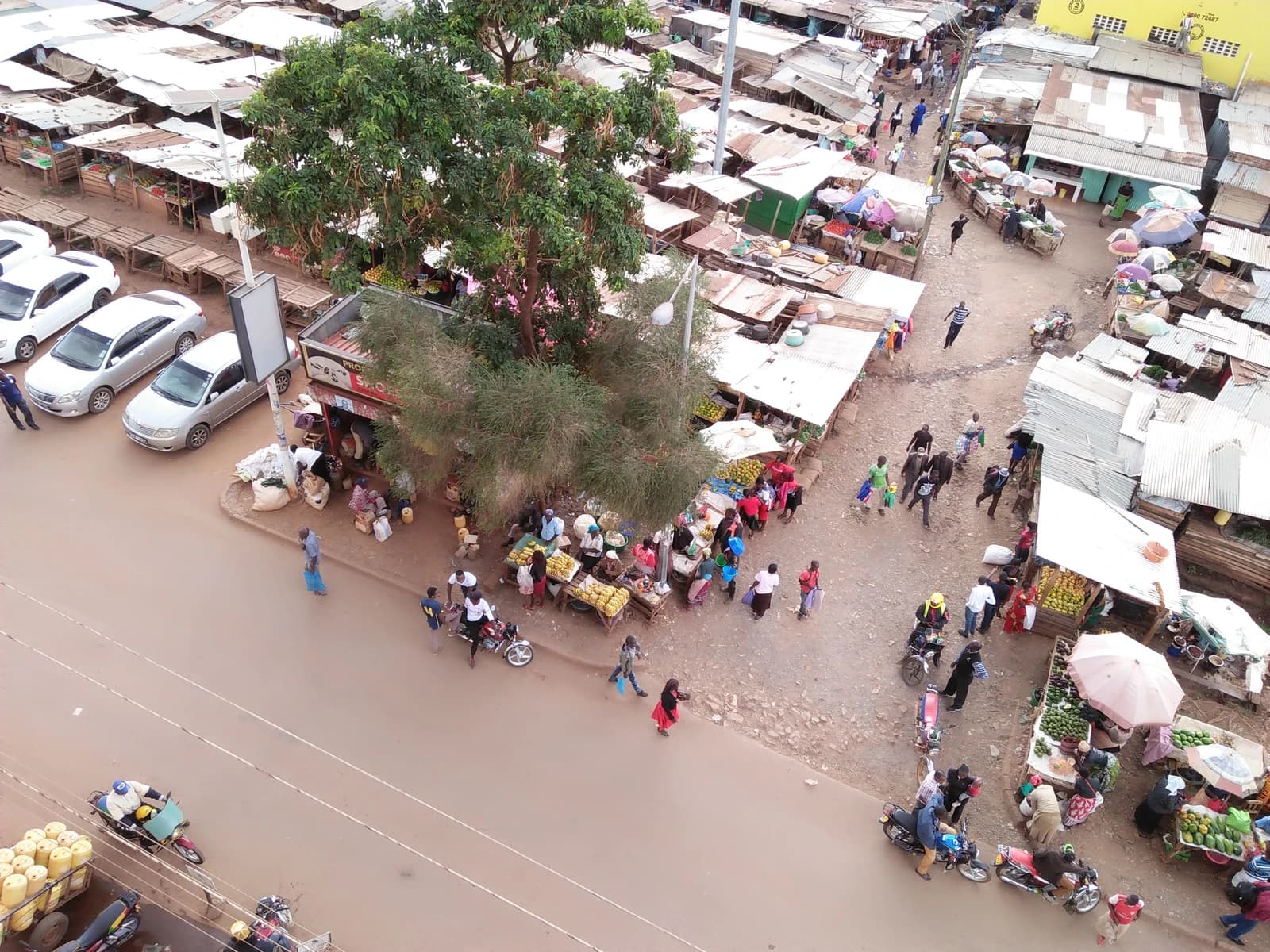
That matters because in Egypt, where many smaller companies still struggle to secure affordable funding, microfinance is often the first rung on the ladder to formal economic activity. Channeling money through microfinance institutions can help unlock working capital for shops, traders, service providers and home-based businesses that are too small for traditional bank lending, supporting job creation and local spending at a time when inclusive growth remains a policy priority.
The package is also notable for what it says about the National Bank’s role in Egypt’s financial system. The state-backed lender is using its broad branch network and ties to microfinance institutions to extend the reach of global capital, while the EBRD is leaning on a partner it knows well in one of its most important markets. The EBRD said the investment is designed to strengthen a “vital and inclusive” private sector, especially for women entrepreneurs and borrowers beyond major urban centers.
For investors, the story is less about an immediate earnings boost than about durability and franchise value. Development-bank funding tends to be lower-cost, longer-dated and strategically valuable, giving lenders room to expand without relying solely on more expensive domestic funding. It can also improve a bank’s standing with regulators and international counterparties by showing access to stable external capital and a pipeline of socially aligned lending.
The deal also fits a broader pattern in Egypt: international institutions remain willing to support sectors that can translate foreign financing into domestic growth. The EBRD said it has invested about 17 billion euros across 245 projects in Egypt since starting operations there in 2012, underscoring how central the market has become to its regional strategy.
For long-term investors, the key takeaway is that this is not a headline-grabbing trade, but a steady compounder story. Partnerships like this do not transform an economy overnight, yet they can widen access to credit, deepen financial inclusion and strengthen the lending ecosystem over time. For banks and development financiers alike, that is the kind of incremental progress worth watching.
| Entity | Gains | Losses |
|---|---|---|
| National Bank of Egypt | ▲cheaper funding and franchise reach | ▼more exposure to microfinance execution risk |
| EBRD | ▲stronger development impact in Egypt | ▼limited near-term financial return |
| Egyptian microfinance firms | ▲more lending capacity | ▼stronger dependence on external financing |
| Small businesses and women entrepreneurs | ▲broader access to credit | ▼tougher competition for scarce loans |