For Malawi’s young people and women, the K5 billion Constituency Development Fund loan scheme is promising to be a bridge out of unemployment — but in its current form, it may be too small, too slow and too hard to access to deliver the economic lift policymakers want.
Malawi CDF Loan Scheme Faces Delay and Size Concerns
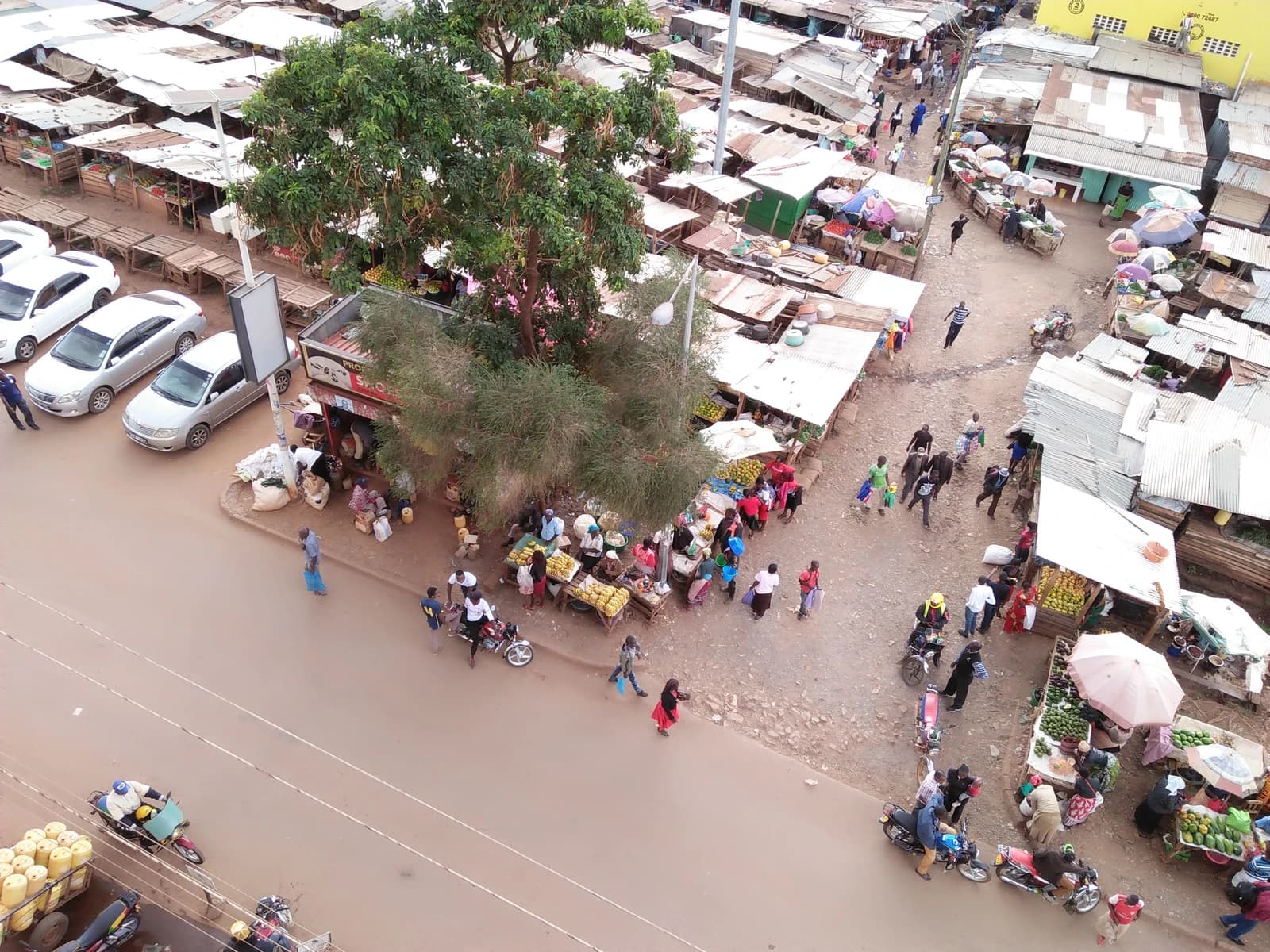
That matters because the programme sits at the intersection of job creation, household incomes and grassroots business formation. If it works, it could help seed thousands of micro-enterprises in a country where unemployment and underemployment remain a daily reality. If it stalls, the fund could become another well-intentioned policy that spreads capital too thinly, leaves beneficiaries waiting for months and saddles already vulnerable borrowers with repayments they struggle to meet.
The government has ring-fenced K200 million per constituency inside the K5 billion CDF, splitting the money equally between youth and women. In theory, that gives small groups of five to 10 people access to loans of between K250,000 and K500,000 to start or expand businesses. In practice, many would-be borrowers say that ceiling is far too low in an economy where basic inputs, transport and stock can swallow the money before a business is even launched.
That complaint goes to the heart of the policy’s economic value. A loan that cannot buy enough chicks, fertiliser, stock or equipment to generate reliable cash flow is not an engine of empowerment; it is a liability. Borrowers must then service debt from businesses that may never become viable, which can deepen rather than ease financial strain. For investors and development watchers, that is an important reminder that microfinance only works when loan size, pricing and business support are matched to actual operating costs.
The rollout itself also appears to be dragging. Applicants must pass through a village committee, an area committee, a constituency committee, a council review and then final appraisal by the Malawi Enterprise Development Fund. Officials say the layered process is meant to strengthen accountability, but the investigation found delays, weak awareness and confusion over requirements, including demands for business plans that many applicants had never heard of. In several areas visited, no group had yet received funds.
That matters beyond the immediate frustration of applicants. Slow disbursement means delayed spending in local economies, fewer new goods and services created, and less momentum in districts that need small-business growth most. It also raises the risk that the programme will favour better-connected applicants who understand the process, while the poorest women and youth — the very people it was designed to reach — are left out.
There is also a wider policy lesson here. Several local leaders and experts say the government may be trying to help too many people with too little capital. Their argument is straightforward: it may be better to fund fewer groups with meaningful amounts of money than to distribute tiny loans that cannot support a sustainable venture. Others want the state to channel money through existing, already active business groups rather than first-time borrowers unfamiliar with formal lending rules.
That debate is crucial for investors in development finance, local enterprise and broader African consumer growth. Microcredit is attractive because it promises scale and inclusion, but the returns come only when capital is paired with training, market access and realistic repayment terms. Otherwise, the programme can create administrative burden without building productive capacity.
For now, the CDF loan scheme remains a pilot with real political appeal and equally real execution risk. The idea of empowering youth and women through affordable credit is sound. The question is whether Malawi can streamline the approval chain, raise loan sizes to levels that reflect current costs and improve awareness before the scheme hardens into a costly disappointment. Until then, investors and policymakers alike should treat the programme as a work in progress — one worth watching, but not yet proven.
| Entity | Gains | Losses |
|---|---|---|
| Youth and women borrowers | ▲Access to startup capital | ▼Risk of underfunded businesses and debt |
| Government/CDF programme | ▲Political goodwill, inclusion agenda | ▼Credibility if rollout stalls |
| Malawi Enterprise Development Fund | ▲Formal lending role | ▼Pressure from slow approvals |
| Local entrepreneurs and suppliers | ▲Potential new demand | ▼Fewer viable businesses if loans are too small |