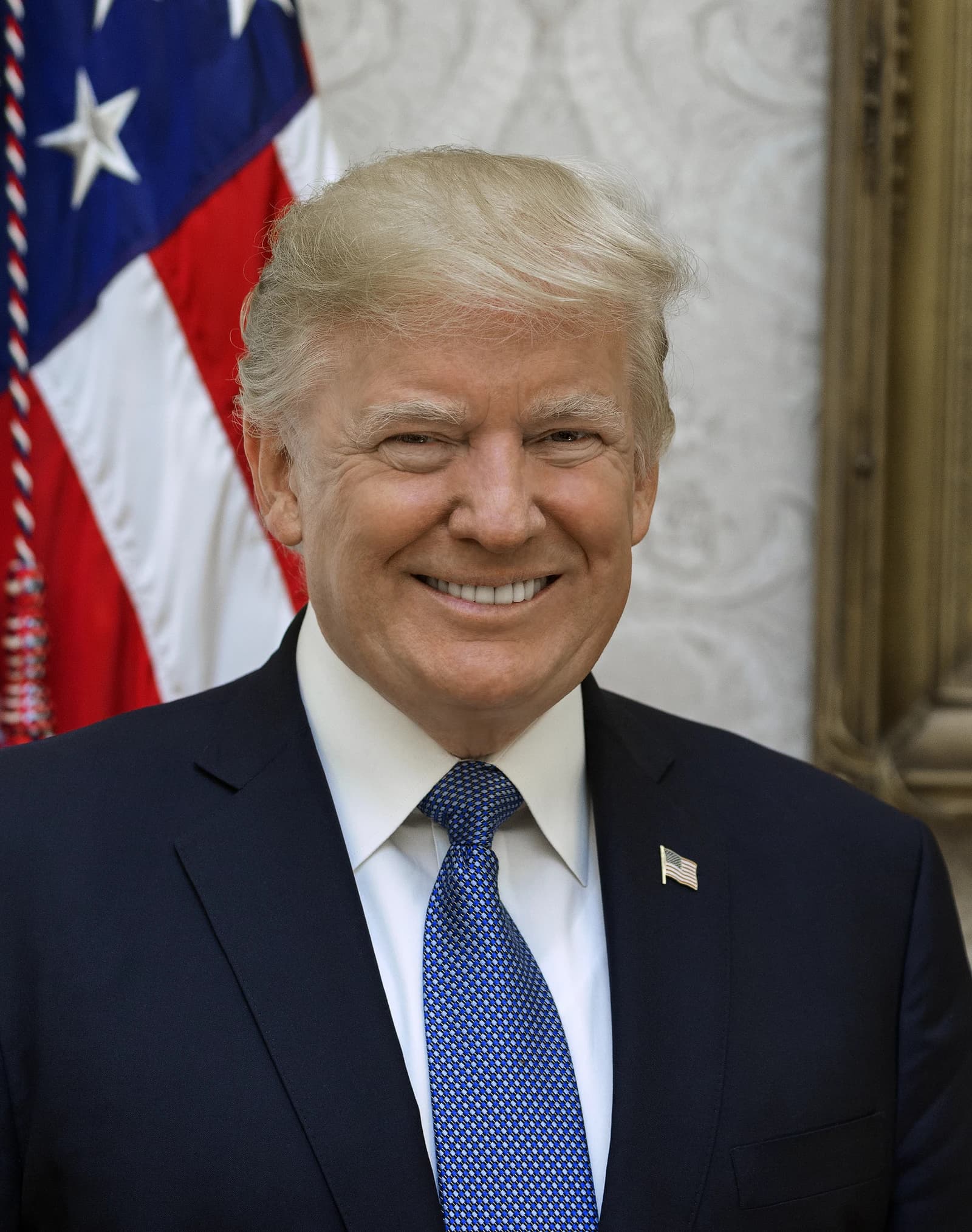
The Ukraine crisis is opening a sharper debate inside NATO over whether to re-engage Moscow, after Slovak Prime Minister Robert Fico said many leaders at the alliance summit showed interest in dialogue with Russia even as Vladimir Putin rejected Kyiv’s call to halt long-range strikes.
NATO Russia Split Pressures Euro
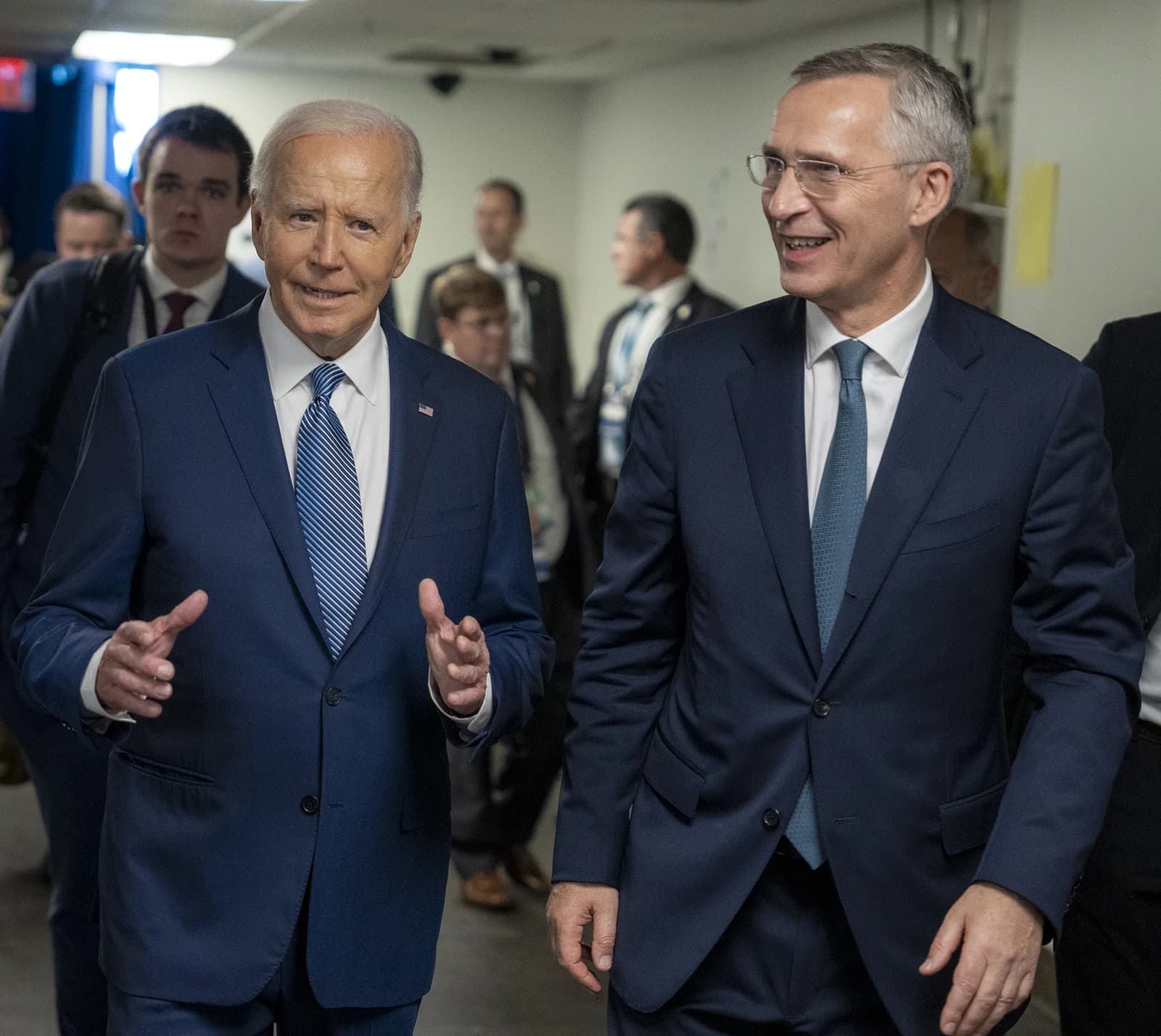
The split matters because Europe’s war calculus is shifting from emergency support for Ukraine to a longer struggle over energy security, sanctions, defense spending and the terms of any eventual settlement. Fico’s remarks point to unease among some NATO members over a conflict that continues to drain fiscal resources and threaten supply chains, while Putin’s rejection of a mutual renunciation of long-range attacks signals Moscow sees little reason to de-escalate.
Sentiment Indicators
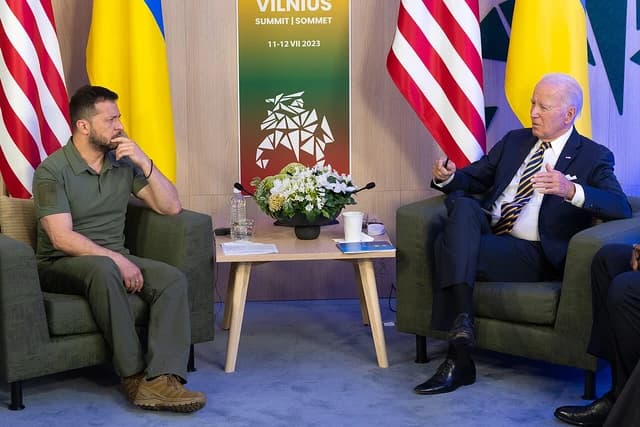
Putin reaffirmed Russia’s offensive aims in four Ukrainian provinces and said he would ensure Russia’s security under what he described as unprecedented Western pressure. He also announced plans for a new general mobilization to replenish Russian forces, a step that would reinforce expectations of a protracted war rather than near-term negotiations.
The economic stakes are most visible in energy. Ukrainian long-range strikes on Russian infrastructure have contributed to fuel shortages, with Moscow acknowledging disruptions and imposing fuel rationing in parts of Siberia. That raises the risk of renewed volatility in refined products and crude markets, even as recent trading has not yet priced in a full geopolitical shock. The United States Oil Fund closed at $108.70 on July 10, well below its May level above $152, though still above its 200-day moving average, suggesting investors see supply risk but not a sustained squeeze.
Global Stability Sentiment vs EURUSD=Xadalytica.com
Explore this data interactively — full history, time series and cross-market comparisons.
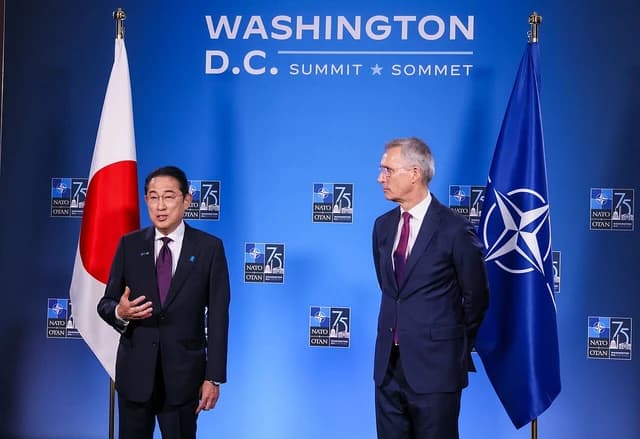
Currency markets are also reflecting Europe’s vulnerability. The euro traded around $1.14 on July 10, below both its 50-day and 200-day moving averages near $1.16, conventional technical indicators that point to a softening trend despite Adalytica.com’s proprietary euro sentiment gauge showing “Extreme Greed.” That divergence underscores the tension between tactical positioning and the macro drag from war, sanctions uncertainty and weak regional growth.
Gold is sending a more mixed signal. The SPDR Gold Shares ETF ended at $377.01 on July 10, below its 50-day and 200-day moving averages, but Adalytica.com’s Gold Fear & Greed Index remained in “Greed.” Investors are still willing to hold geopolitical hedges, though prices have pulled back from earlier highs as markets weigh the chance of diplomacy against the reality of continued escalation.
The broader geopolitical mood remains fragile. Adalytica.com’s Global Stability Sentiment gauge stood at 7, labeled “Extreme Fear,” after a steep 30-day deterioration. That aligns with the political message from the NATO summit: even where there is interest in dialogue with Russia, the battlefield and Moscow’s stated intentions are moving in the opposite direction.
For investors, the key question is whether Fico’s account marks the start of a more visible European push for talks or simply exposes alliance fatigue without changing Russian behavior. If diplomatic pressure grows, energy risk premia and defense-linked trades could ease. If Putin’s mobilization and Ukraine’s infrastructure campaign intensify, Europe faces another round of inflation shocks, fiscal strain and market volatility.
| Entity | Gains | Losses |
|---|---|---|
| Russia diplomacy advocates | ▲More visibility inside NATO | ▼Limited leverage with Moscow |
| Ukraine and NATO hawks | ▲Stronger case for continued support | ▼Pressure from war fatigue |
| Energy exporters | ▲Higher geopolitical risk premium | ▼Demand if Europe slows |
| European importers | ▲Potential relief if talks advance | ▼Exposure to fuel shocks |