Indonesia is moving to put a coal gasification project with U.S. technology firm Latitude Energy into execution, a sign Jakarta is trying to turn its vast coal base into higher-value fuel and industrial feedstock rather than rely on raw exports.
Indonesia moves to execute Latitude coal gasification
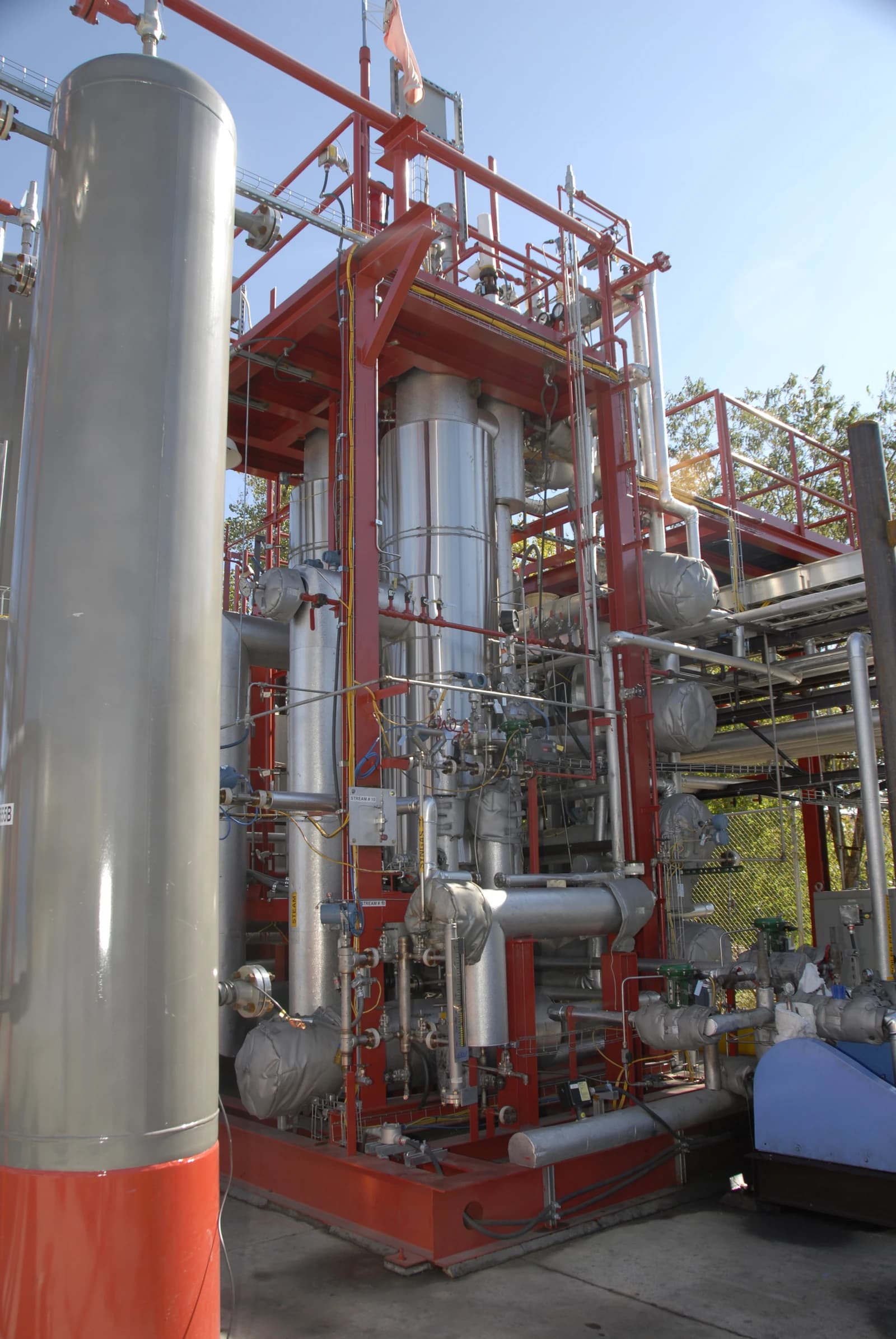
Energy and downstreaming minister Bahlil Lahadalia said the U.S.-backed project is being “arranged” and can be executed “in the near term,” following a memorandum of understanding signed in Jakarta in July between Danantara Development Management Fund and Latitude Energy. The plan centers on transport integrated gasification, or TRIG, a technology that converts coal into synthetic gas.
Sentiment Indicators
The push matters because it sits at the intersection of energy security, industrial policy and foreign capital. Indonesia is one of the world’s largest coal producers, but the government wants to use more of that resource domestically to reduce import dependence and build an industrial chain around synthetic gas and related products. In economic terms, that means more value added at home and potentially less exposure to imported energy and intermediate goods.
The project also gives the administration another piece of evidence for its broader downstreaming agenda, which has become a central plank of President Prabowo Subianto’s economic strategy. Last week, Prabowo witnessed $71.8 billion in agreements, part of a larger potential package worth $86.8 billion, spanning smart cities, manufacturing, infrastructure finance and coal-to-ethanol technology. That included a separate coal-to-ethanol MoU involving state-linked partners and a Chinese company valued at $1.8 billion.
For investors, the immediate read-through is less about coal miners and more about the likely beneficiaries of policy-backed industrial spending: contractors, engineering groups, power and gas infrastructure providers, and companies positioned to capture state-backed downstream projects. The risk side of the ledger is execution. Coal-to-gas and coal-to-ethanol plants are capital intensive, technically demanding and sensitive to feedstock economics, policy support and environmental scrutiny.
Market signals suggest the backdrop is supportive but not without volatility. Brent-linked U.S. crude benchmarks have been softening from recent highs, while coal-specific sentiment remains deeply cautious, even as official rhetoric in Jakarta has turned more expansionary on downstream investment. That combination implies the government may have room to press ahead, but project economics will still need to compete with cheaper alternatives and financing discipline.
The U.S. link is also notable geopolitically. By pairing with an American technology provider while also keeping a separate China channel for coal-to-ethanol, Jakarta is hedging its industrial partnerships and trying to avoid dependence on a single external bloc. If the TRIG project moves from memorandum to construction, it would be a test case for whether Indonesia can translate its downstreaming ambition into bankable, scalable industrial assets.
| Entity | Gains | Losses |
|---|---|---|
| Indonesia government | ▲Energy security, downstream value added | ▼Faster scrutiny on execution |
| Latitude Energy / U.S. partners | ▲Market access, project pipeline | ▼Technology and delivery risk |
| Coal industry / miners | ▲New domestic demand channel | ▼More policy pressure to process locally |
| Competing fuel importers | ▲— | ▼Potentially lower import volumes |