PTPN IV and state gas utility PGN are moving to turn palm oil waste into a commercial biomethane business, a step that could open a new revenue stream from Indonesia’s biggest plantation industry while helping cut emissions and feed gas demand in Java.
PTPN IV, PGN Study Palm Waste Biomethane Project
The two companies have signed a memorandum of understanding to study a compressed biomethane gas project at PKS Betung in Banyuasin, South Sumatra, with an initial target of 109,000 MMBtu a year. The gas would be shipped through PGN’s South Sumatra-West Java transmission network to customers in western Java, giving the project a clear route to market if the economics work.
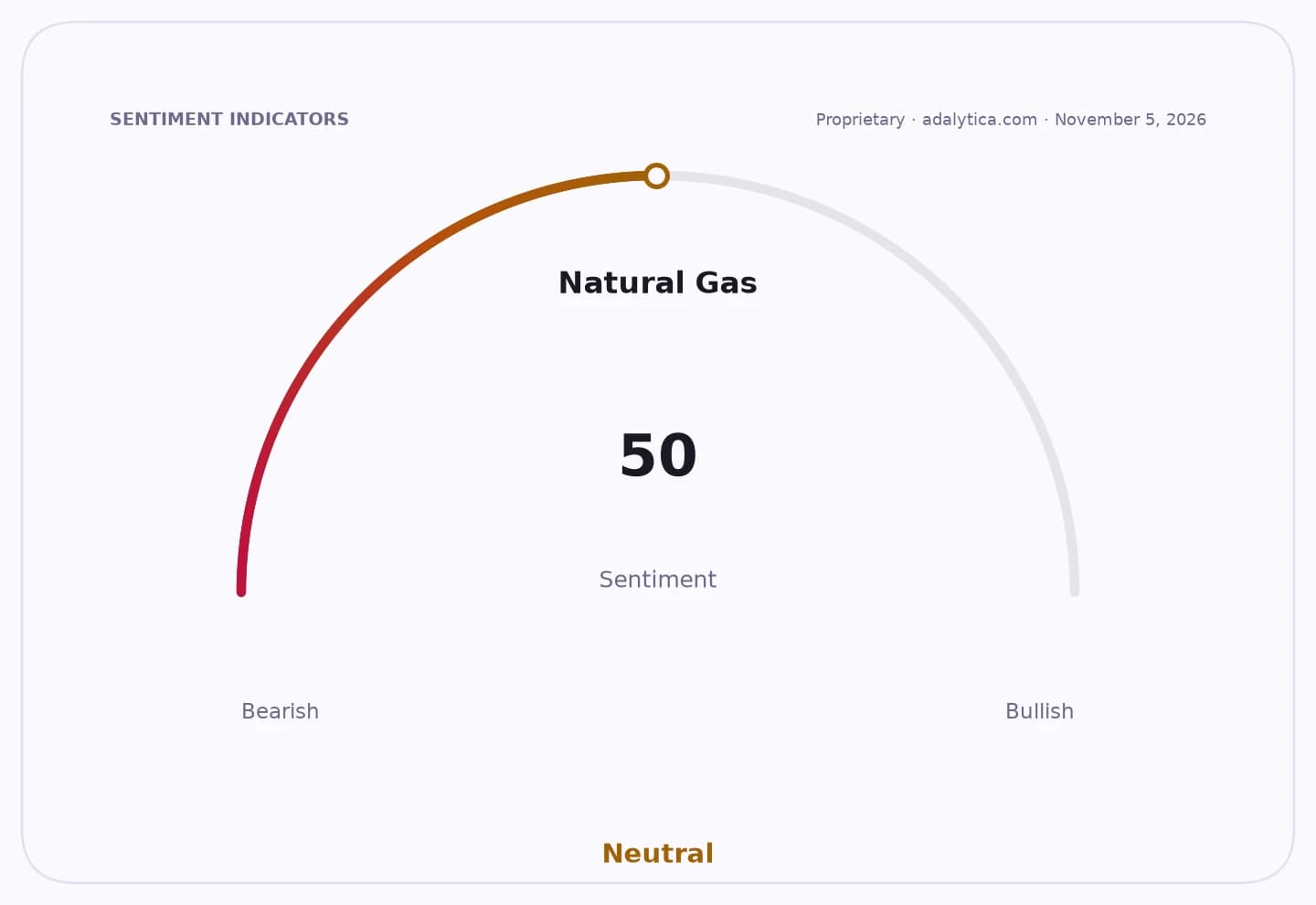
Sentiment Indicators
For investors, the deal matters because it links a large, steady waste stream from palm oil processing with PGN’s existing pipeline infrastructure, reducing the need to build a brand-new distribution system. PTPN IV supplies the palm oil mill effluent, while PGN acts as buyer and distributor, creating a model that could be replicated across Indonesia’s plantation belt if the pilot proves viable.
The project also fits a broader push to extract more value from palm oil byproducts as the sector faces pressure from weak commodity prices, higher scrutiny on sustainability and the need to diversify income. Indonesia is the world’s largest crude palm oil producer, and officials and industry groups have been trying to lift productivity and improve the economics of the crop beyond traditional edible-oil sales.
PTPN IV already has one biomethane project under way at its Tinjowan unit, where construction is 91.10% complete and capacity is projected at 161,888 MMBtu a year, with a potential 30,000 tons of CO2 emissions reduction annually. That gives the company a reference point for scaling the business, though the Betung project still needs technical and economic studies before it can move beyond the memorandum stage.
PGN said the opportunity is attractive because biomethane is chemically similar to natural gas and can be distributed through its more than 30,000-kilometer network across Sumatra and Java. The utility is positioning itself as an offtaker for customers ranging from households and commercial users to industry and transport, but it also acknowledged that dispersed palm oil mill locations and pricing versus customers’ willingness to pay remain key hurdles.
The next catalyst is the completion of the feasibility study, which will determine whether the waste-to-gas model can deliver acceptable returns for both the plantation operator and the gas distributor. If it does, the project could become an important piece of Indonesia’s energy-transition and circular-economy plans, while giving palm oil waste a new commercial use.
| Entity | Gains | Losses |
|---|---|---|
| PTPN IV | ▲New waste-to-revenue stream | ▼Feasibility and execution risk |
| PGN | ▲Additional gas supply and customers | ▼Distribution and pricing risk |
| Indonesia’s palm oil sector | ▲Higher value from POME waste | ▼More scrutiny on project economics |
| Fossil gas suppliers | ▲Lower near-term demand share | ▼Biomethane substitution pressure |