Indonesia is turning its vast low-calorie coal reserves into a bet on transport fuel, and that could reshape who wins in the country’s energy transition.
Indonesia Plans Coal-to-Ethanol Fuel Project
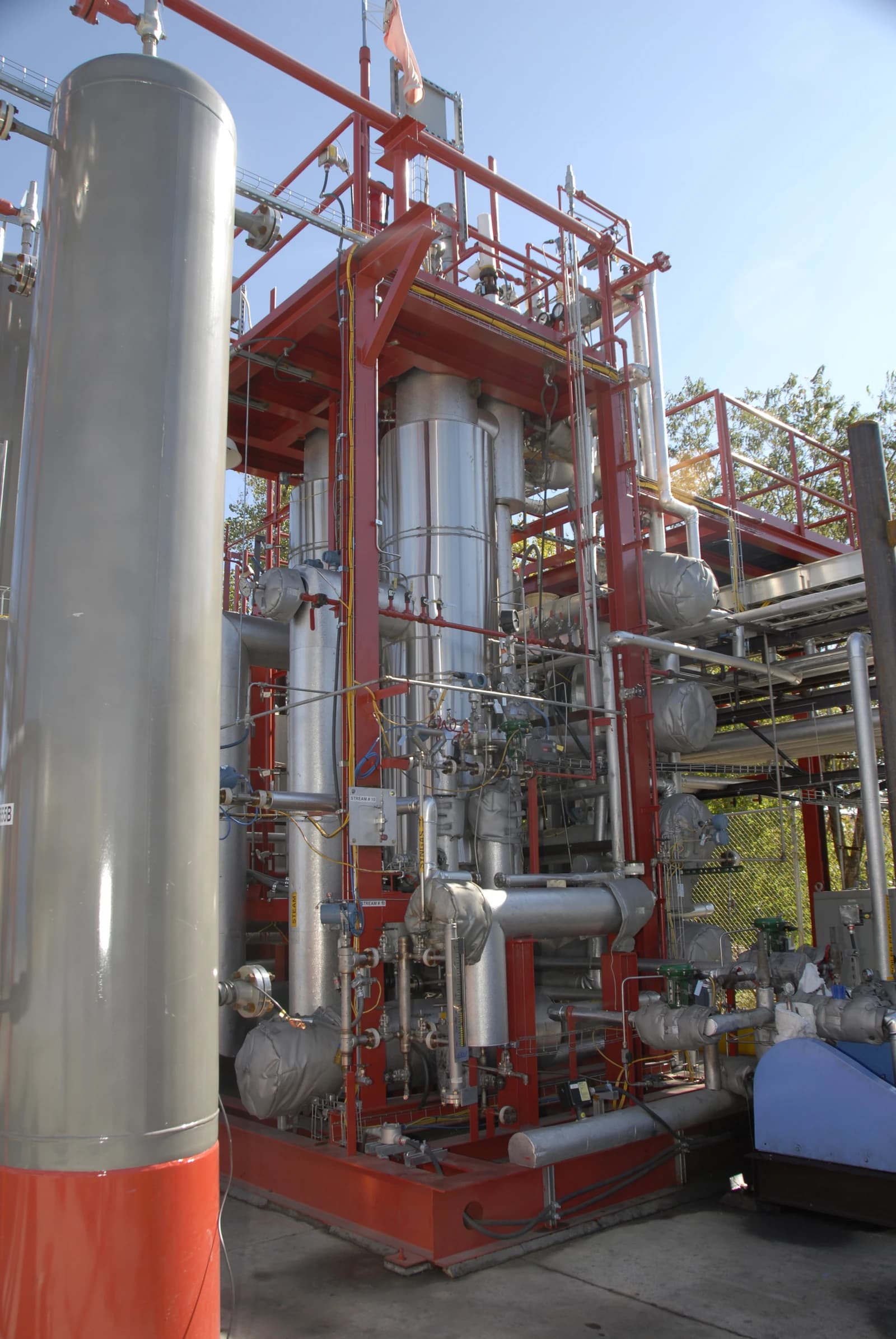
The biggest new development is the 1.8 billion-dollar memorandum of understanding signed in Shenzhen between Indonesia’s higher education and science ministry, Pertamina and Beijing Petrochemical Engineering to develop coal-to-ethanol technology. That matters because Jakarta is no longer talking only about replacing imported fuel at the margin — it is moving to build a domestic pathway for the alcohol needed in future gasoline blends, while trying to keep more of the value chain at home.
Sentiment Indicators
Coal
For investors, the implications are broad. If the plan advances, it creates a new demand lane for thermal coal that is cheap, abundant and often penalized by the market. More importantly, it strengthens Indonesia’s push for homegrown ethanol supply as the government eyes E10 by 2027 and E20 by 2028. That policy path raises the stakes for domestic production, because imported ethanol would merely swap one import dependency for another.
The deal also signals that Jakarta wants intellectual property and industrial capability, not just foreign capital. The presence of a ministry overseeing universities alongside Pertamina suggests the state sees coal-to-ethanol as a strategic technology program, not a simple refinery project. That makes this a longer-duration industrial policy story, one that could pull in research funding, engineering contracts and downstream infrastructure spending over several years.
Coal
The economic logic is straightforward. Indonesia has plenty of coal, but limited land and seasonal constraints make crops such as sugarcane and cassava less reliable as the sole ethanol feedstock. The government is therefore looking for a complementary source that can scale with demand and reduce exposure to volatile global fuel markets. In a world shaped by supply shocks, sanctions risk and commodity swings, energy security has become a balance-sheet issue as much as a political one.
That is why this matters beyond Indonesia. Coal producers with low-grade reserves, Chinese engineering groups and state-linked Indonesian energy players all stand to benefit if the pilot becomes a commercial pathway. Traditional ethanol feedstock growers may lose some pricing power, while fuel importers and gasoline blenders face a more protected domestic market. The broader message is that Jakarta is trying to turn an underpriced fossil resource into a strategic input for a cleaner-burning fuel mix.
The market is still underestimating how disruptive this could be for Indonesia’s energy trade if the technology proves workable at scale. A successful coal-to-ethanol push would not end the country’s dependence on imported crude or refined products overnight, but it would give policymakers another lever to manage prices, reduce import bills and lock in domestic industrial value. For investors, the key takeaway is clear: watch the companies tied to conversion technology, domestic fuel blending and coal logistics, because this is no longer just an energy story — it is an industrial policy trade.
| Entity | Gains | Losses |
|---|---|---|
| Pertamina | ▲Domestic fuel supply options | ▼Import dependence |
| Low-grade coal producers | ▲New demand channel | ▼Pure thermal-coal pricing discount |
| Ethanol importers | ▲Market share risk | ▼Policy support |
| Sugar and cassava ethanol producers | ▲None | ▼Feedstock competition |