Pertamina Renewable Energy is moving to secure a feedstock supply chain for green gasoline and bioavtur, a step that could determine whether Indonesia can turn its biofuel ambitions into industrial-scale production rather than a pilot project.
Pertamina Renewable Energy Secures Biofuel Feedstock
The key issue is not the chemistry, but the economics. Used cooking oil is one of the few waste-based feedstocks that can support lower-carbon fuels without competing directly with food crops, making it attractive for a country like Indonesia that is trying to expand clean-fuel output while managing sustainability concerns. If Pertamina can organize collection, sorting and preprocessing at scale, it would improve the viability of renewable diesel, sustainable aviation fuel and gasoline blending economics at a time when refiners are under pressure to lower emissions intensity and diversify product lines.
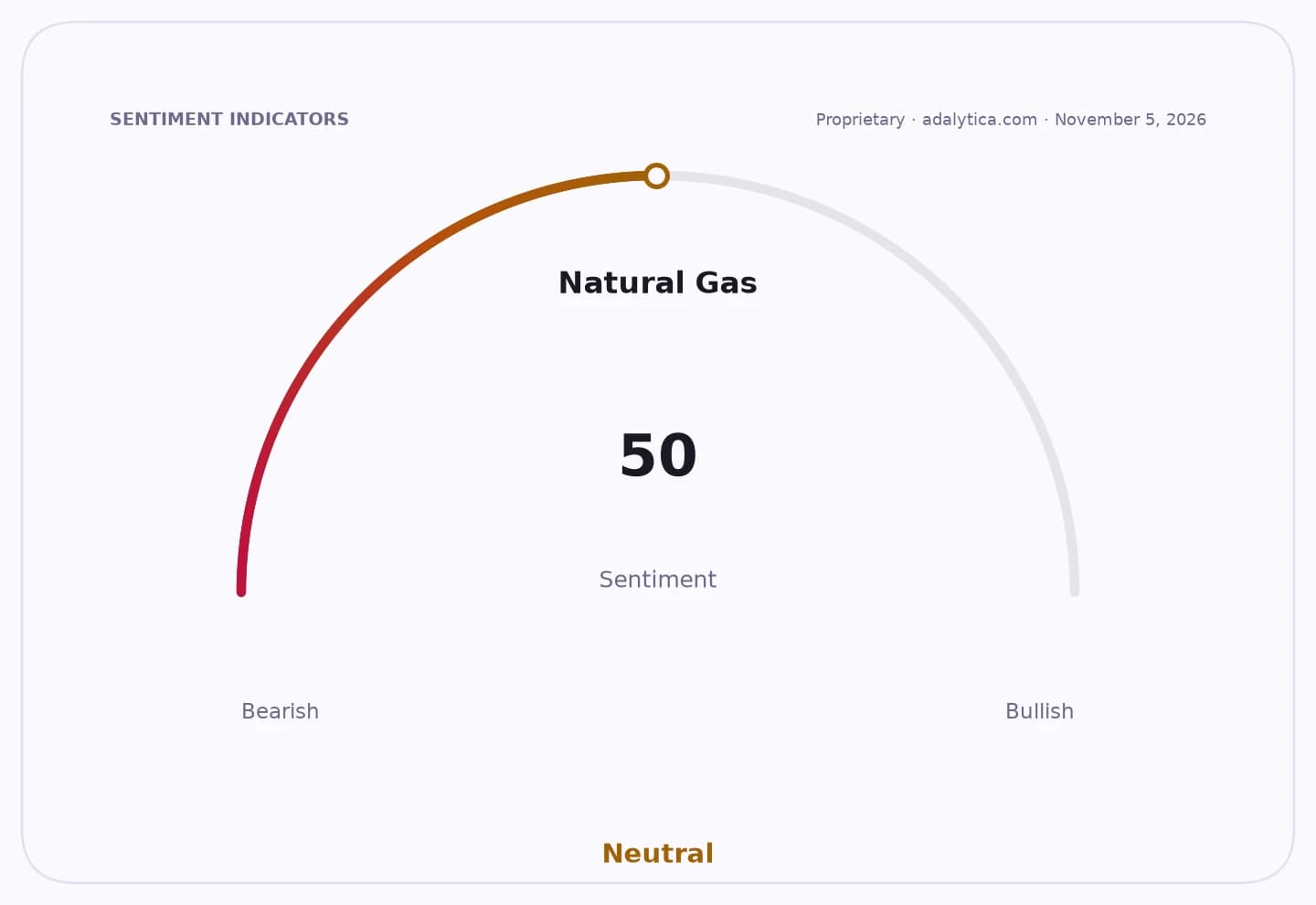
Sentiment Indicators
That matters for investors because feedstock access is often the bottleneck in renewable fuels. Waste oils can be cheaper and cleaner in carbon terms than virgin oils, but supply is fragmented, pricing can be volatile and contamination makes logistics expensive. A credible used cooking oil ecosystem would strengthen Pertamina’s ability to capture higher-value biofuel margins and reduce dependence on imported feedstocks. It would also give the state-backed energy group a better chance of monetizing domestic energy transition policy while remaining relevant in a market increasingly shaped by low-carbon fuel mandates.
The announcement also fits a broader shift in the global refining sector. Large fuel producers from Exxon Mobil to Marathon Petroleum have been building exposure to renewable fuels because conventional refining alone is facing tougher decarbonization demands and more uneven demand growth. Exxon’s shares have traded well above long-term averages this year, while Marathon Petroleum has seen sharp swings as investors weigh refinery earnings against longer-term renewable-fuel exposure. Those moves underscore how markets are rewarding companies that can protect margins while adapting to cleaner fuel demand.
For Indonesia, the strategic value is larger than one company’s balance sheet. Green gasoline and bioavtur could help the country reduce oil-product import exposure, support aviation decarbonization and create a domestic value chain around household waste. But execution risks remain: collection networks must be built, pricing incentives need to work for households and restaurants, and policy support will be crucial if the fuel remains more expensive than fossil alternatives.
For investors, the story is ultimately about whether Pertamina can convert a sustainability initiative into an investable industrial platform. If it succeeds, the payoff is a more durable renewable-fuels supply base and a clearer path to commercialization. If not, the project risks becoming another transition headline without enough feedstock to matter at scale.
| Entity | Gains | Losses |
|---|---|---|
| Pertamina Renewable Energy | ▲feedstock security | ▼execution risk |
| Indonesia biofuel market | ▲domestic supply growth | ▼import dependence |
| Used cooking oil collectors | ▲new demand channel | ▼higher compliance costs |
| Traditional fossil fuels | ▲lower near-term capex pressure | ▼long-term fuel share loss |