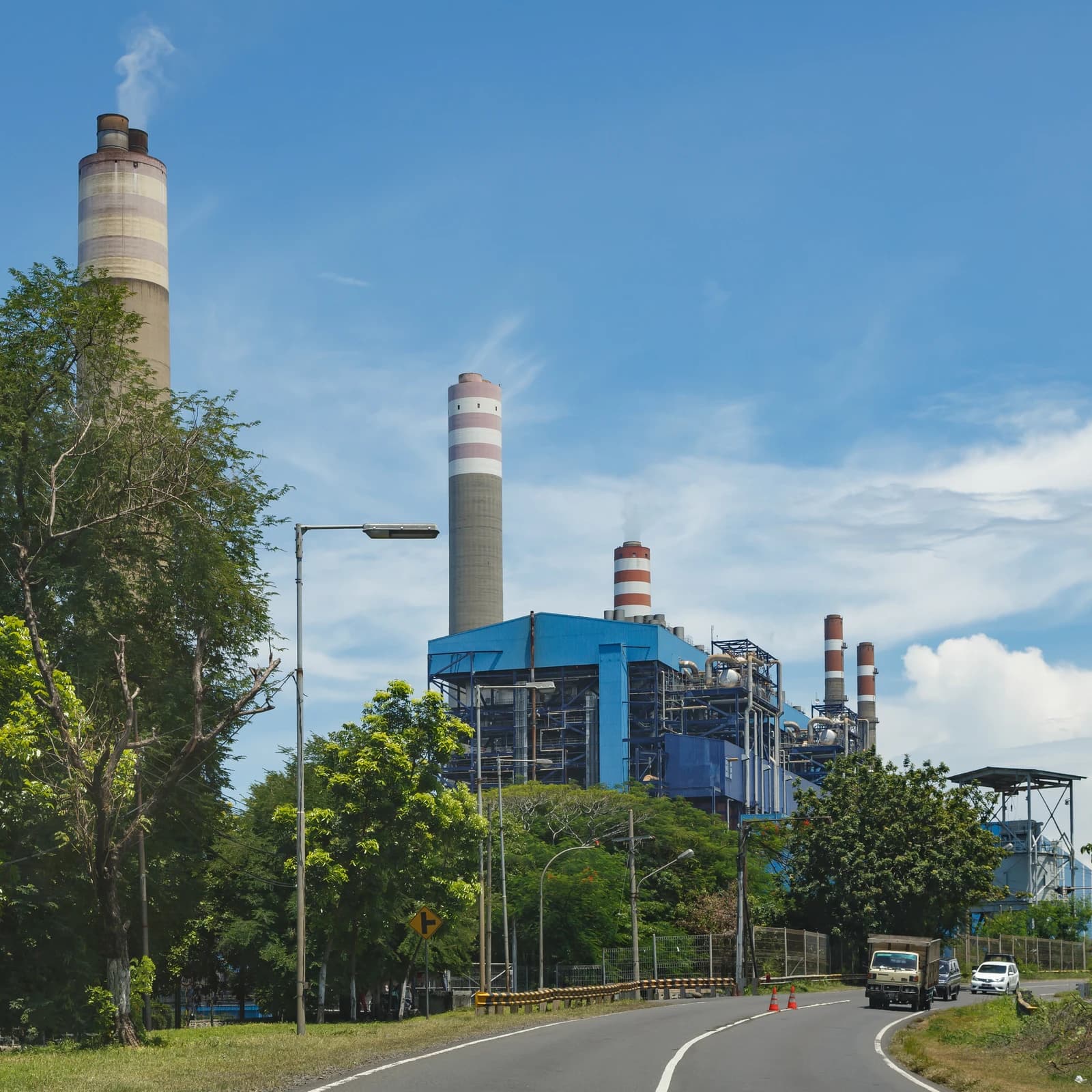
PLN’s fuel planner says Indonesia will need about 174 million tons of coal to run its coal-fired power plants in 2027, underscoring how the country’s electricity system remains heavily tied to the fuel even as the supply mix on the ground does not fully match what the fleet was built to burn.
PLN sees 174 million tons coal demand in 2027
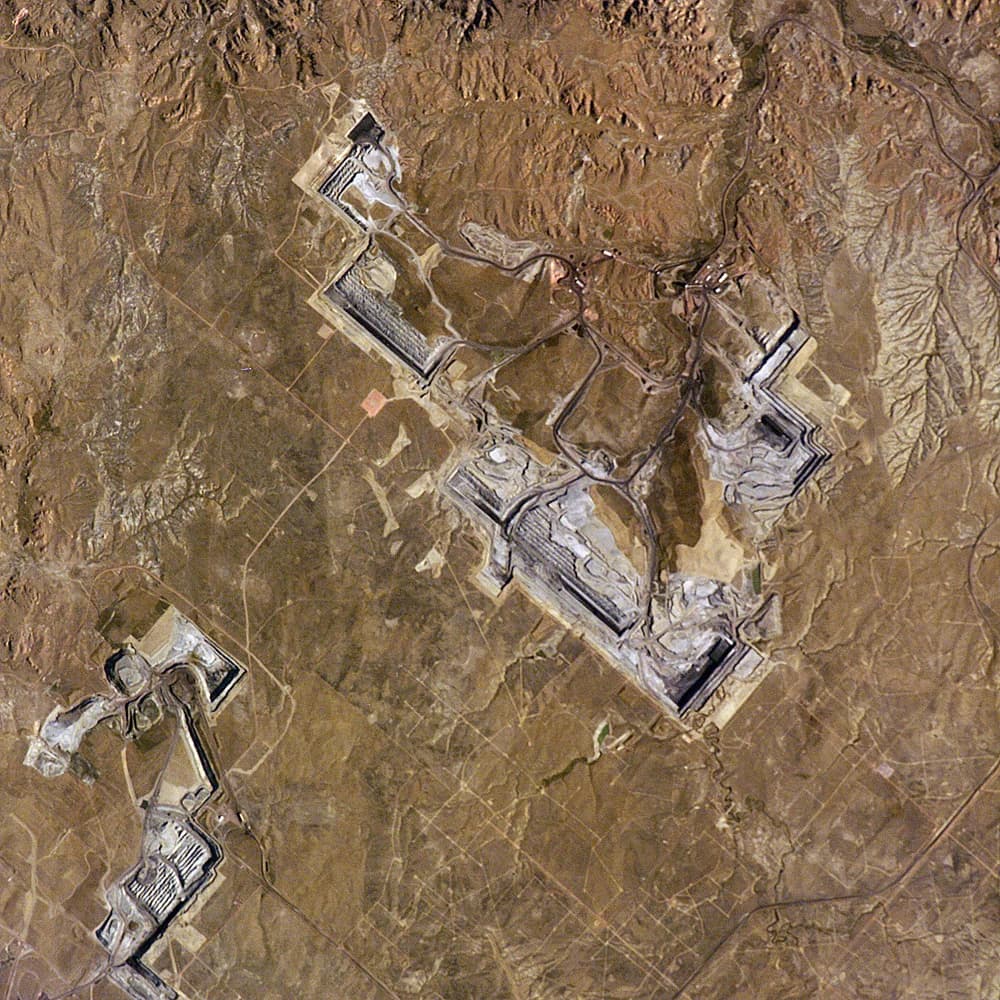
The estimate from PLN Energi Primer Indonesia, the utility’s primary-fuel unit, matters because it points to a structural problem rather than a one-off procurement issue: around 89 million tons of that demand would be medium-rank coal, the grade most of Indonesia’s existing thermal fleet is designed to use, while much of the country’s reserves are lower-grade coal. That mismatch means PLN must either keep buying higher-value fuel, adapt plant designs over time, or face a widening gap between power-system requirements and domestic supply.
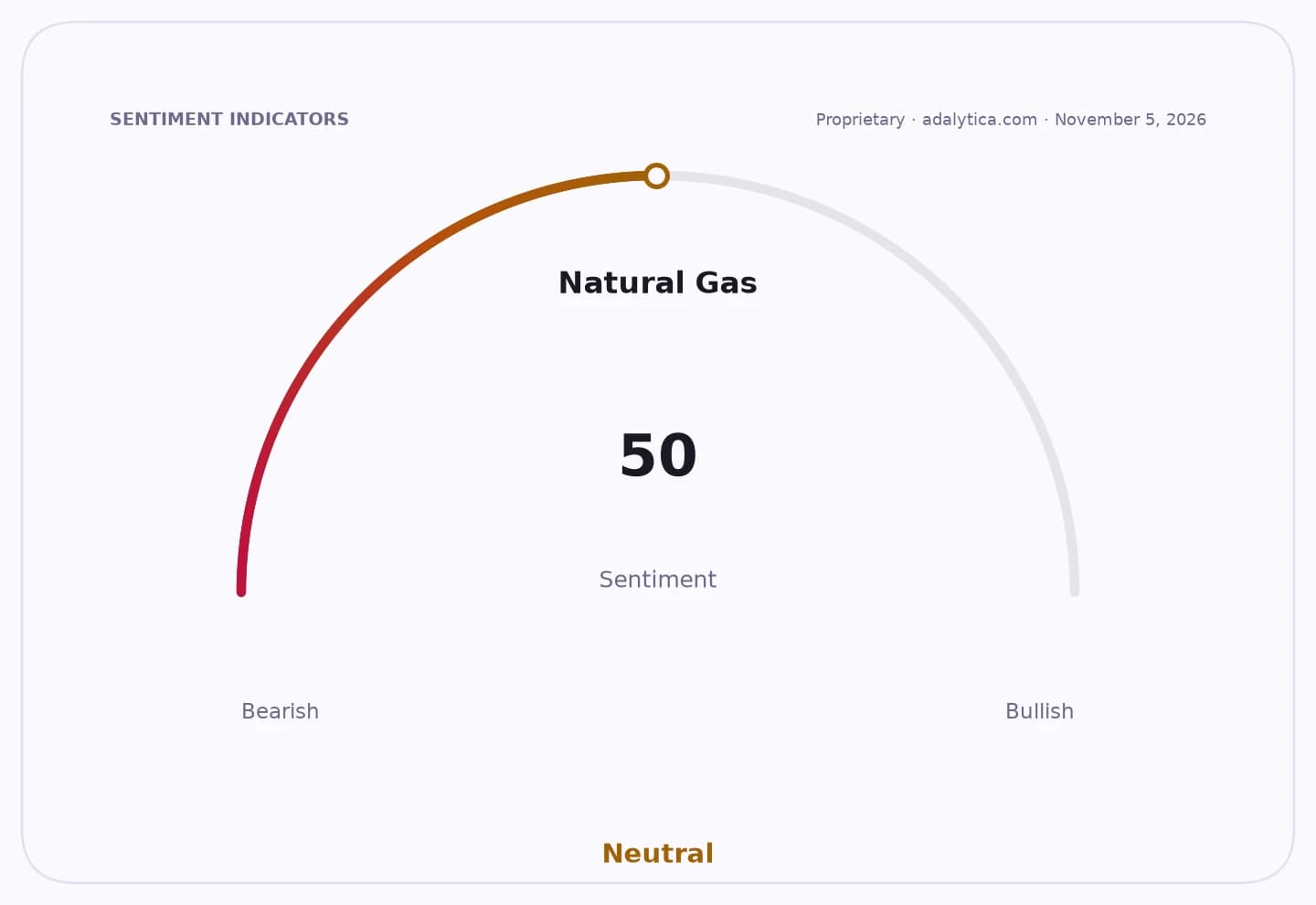
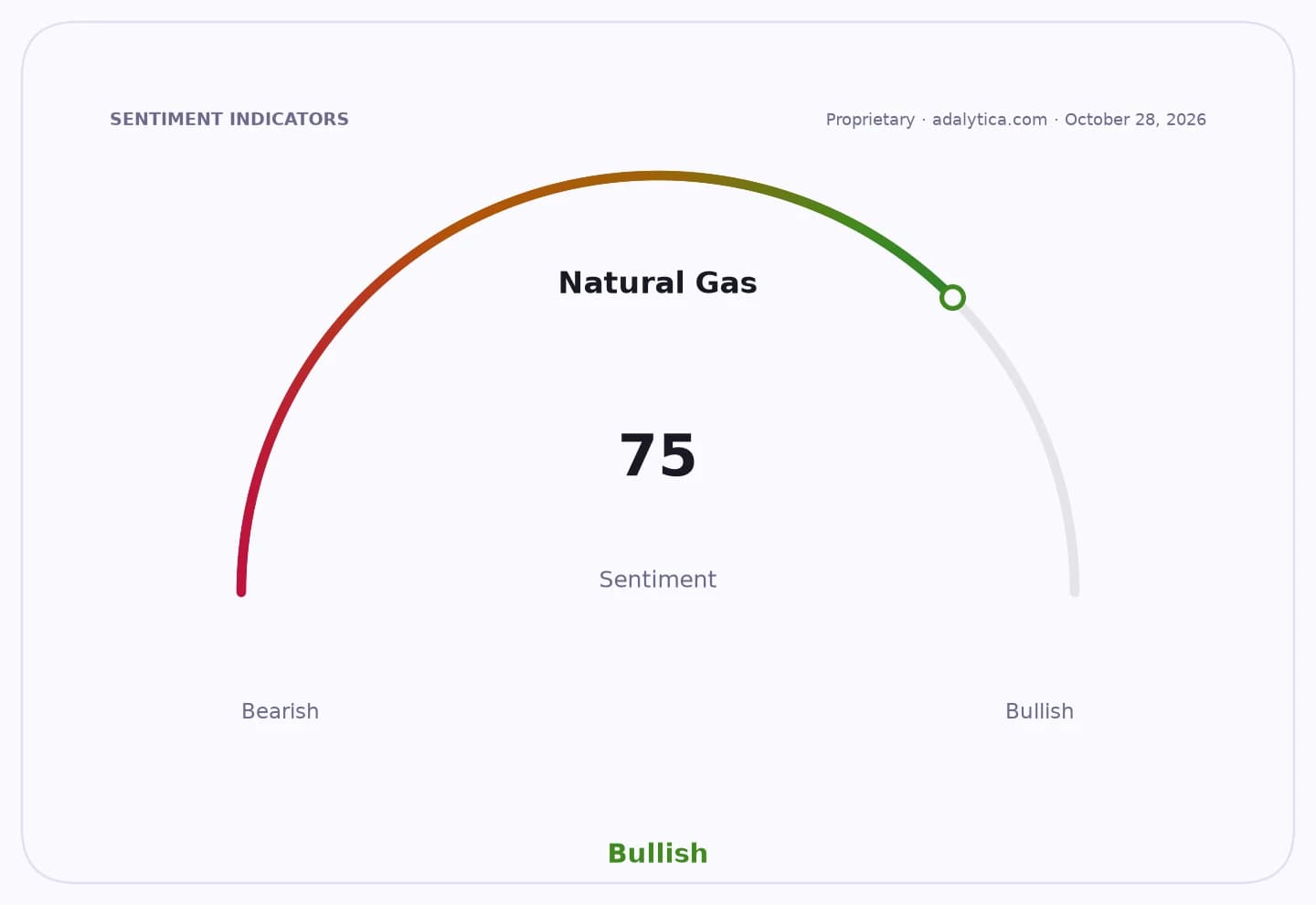
Sentiment Indicators
For investors, the key issue is that the price and quality split in coal feeds directly into PLN’s cost base and Indonesia’s energy-security debate. PLN EPI said its coal purchases for the utility are capped at $70 a ton for high-calorific coal, even as comparable material fetches about $150 a ton in the international market. That gap shows why the domestic power system remains sensitive to regulatory intervention: keeping coal available for the grid requires either policy support for miners, tighter allocation rules, or fresh capital to modify plants so they can burn more of Indonesia’s abundant low-rank coal.
The comments also highlight the tension between Indonesia’s near-term power needs and its longer-term energy transition. Retrofitting or redesigning coal plants is neither fast nor cheap, and PLN said any upgrades would require investment and time. That makes coal demand sticky for longer than many investors might assume, even as the utility acknowledges the need to better match plant specifications to the country’s reserve profile.
The broader backdrop is a market that still sees coal as strategic, not merely cyclical. India’s recent push to raise output and stockpile coal reinforces that view, while oil markets have been volatile and global energy security concerns remain elevated. In that environment, Indonesia’s 174 million-ton estimate is less a sign of peak demand than a reminder that large Asian power systems are still built around coal, and that coal quality, pricing and policy will continue to shape utilities, miners and power-sector margins.
For PLN, the next catalysts are regulatory support from the energy ministry and any concrete plans to upgrade plants or secure more medium-rank supply. For miners, the estimate could support domestic volumes, but only if pricing rules and blending requirements keep economics workable. For investors, the story is about whether Indonesia can close a coal-quality gap without raising electricity costs or delaying power-system flexibility.
| Entity | Gains | Losses |
|---|---|---|
| PLN / PLN EPI | ▲supply visibility | ▼higher fuel costs |
| Indonesian coal miners | ▲stable domestic demand | ▼pricing pressure |
| Power consumers | ▲energy security | ▼slower transition |
| Low-rank coal reserves | ▲greater utilization | ▼medium-rank coal producers |