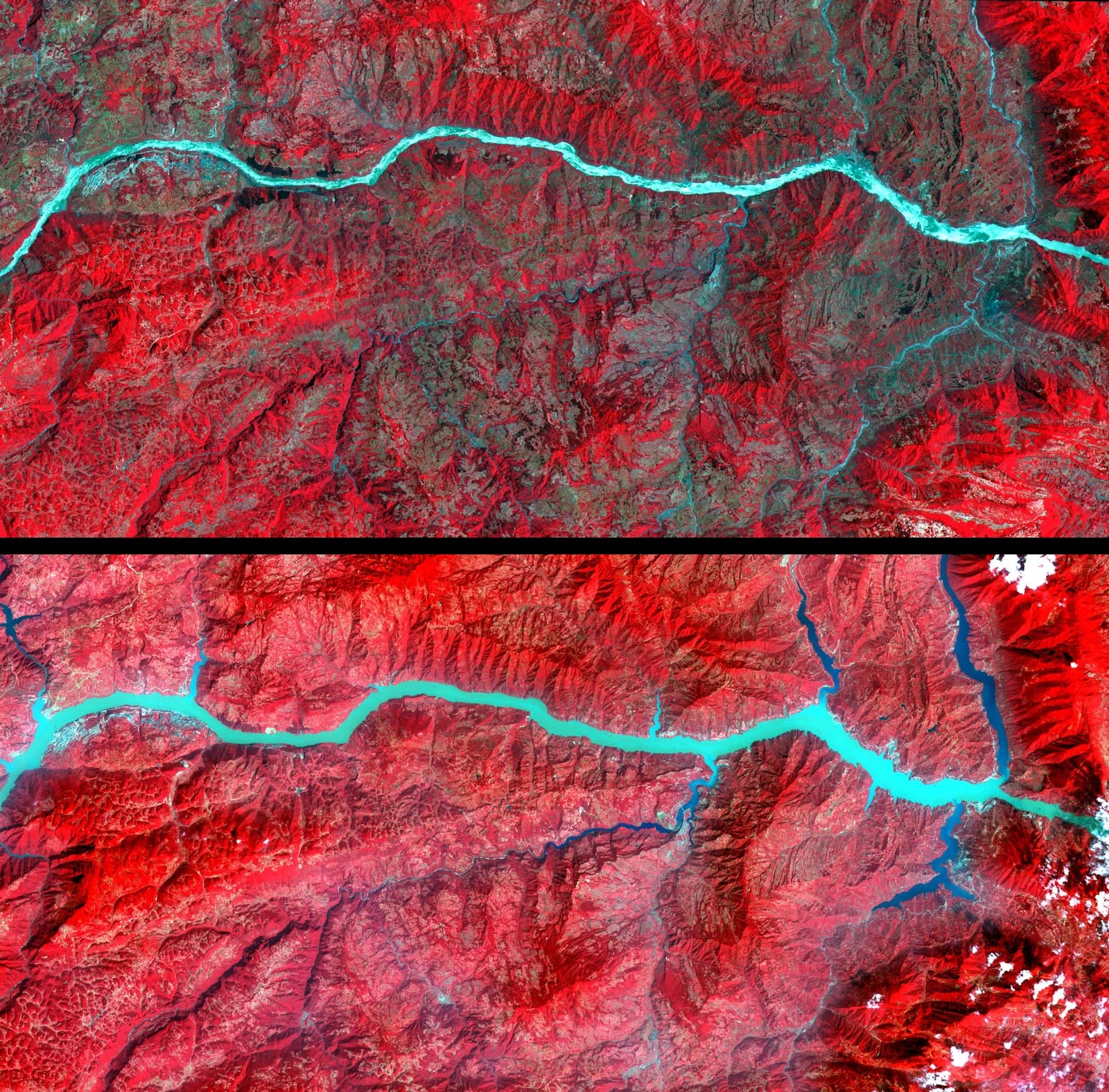
Flash floods in Nepal are shaping up to be one of the country’s costliest insured disasters, with commercial claims alone estimated at more than 20 billion Nepal rupees, or about $132.3 million, as hydropower plants and infrastructure absorb most of the damage.
Nepal floods drive 25.87B rupee insurance claims

The figure matters because it puts a hard insurance price tag on a much larger economic shock. Nepal’s disaster authority says the floods and landslides along the Nepal-Tibet border caused about $2.56 billion of total economic losses, underscoring how a relatively small non-life insurance market is being asked to process claims from a catastrophe that hit energy assets, roads, housing and lives all at once.
Hydropower is the main pressure point. Oriental Nepal Insurance chief executive Toton Chakraborty said 11 hydropower projects sit in the flood zone and could account for most of the commercial losses, with direct damage already identified at Rasuwagadhi, Upper Trishuli-3A, Chilime and Devighat. Five other projects are still being assessed. In a country where hydropower is central to power supply and long-term growth plans, prolonged outages would ripple beyond insurers to utilities, contractors and lenders.
For investors, the immediate question is not the headline loss estimate but how much of it will actually be paid. Nepal’s insurance regulator said insurers had received 583 flood-related claims worth 25.87 billion rupees by Aug. 31, or about $171.1 million, but that number reflects claimed values rather than final payouts. Chakraborty said the ultimate bill will depend on engineering surveys, the extent of physical damage and whether business interruption cover is triggered if plants are offline or delayed. That means losses could still rise if repairs drag on.
The event also highlights the structural weakness of Nepal’s non-life insurance market. Fourteen general insurers took in just 5.3 billion rupees, or about $35.1 million, in premiums in July and August, a fraction of the scale of claims now emerging. Even if much of the risk is reinsured, a catastrophe of this size can strain capital, slow claims settlement and force tougher pricing on flood-prone assets.
The broader implication for investors is that climate and infrastructure risk are becoming inseparable in frontier markets. Hydropower offers Nepal growth and energy security, but it also concentrates exposure in river corridors vulnerable to extreme weather and landslides. Insurers, reinsurers and project financiers may now face pressure to reprice that risk, tighten underwriting and demand stronger flood defenses. For Nepal, the flood bill is not just a one-off disaster cost; it is a test of whether the country can build resilience fast enough to keep its development model insurable.
| Entity | Gains | Losses |
|---|---|---|
| Nepal insurers | ▲Higher future pricing | ▼Near-term claims burden |
| Reinsurers | ▲Diversified risk absorption | ▼Share of catastrophe payouts |
| Hydropower operators | ▲Potential rebuilding demand | ▼Physical damage and downtime |
| Nepal economy | ▲Rebuilding investment | ▼Output, infrastructure and lives |