Streaming groups are leaning on western Europe for more revenue, and the latest round of price increases has turned that market into one of the most expensive in the world for subscribers.
Netflix, Disney+, Amazon raise Europe streaming prices
That matters because the shift shows how quickly the economics of streaming are changing. After years of cheap sign-ups and aggressive subscriber growth, the industry is now testing how far households will tolerate higher monthly fees before cancellations rise. For Netflix, Disney+ and Amazon, the upside is obvious: pricing power can lift revenue and margins without the heavy capital spending required to chase growth. The risk is just as clear: Europe’s consumers are already under pressure from food and energy inflation, making the region more sensitive to subscription fatigue.
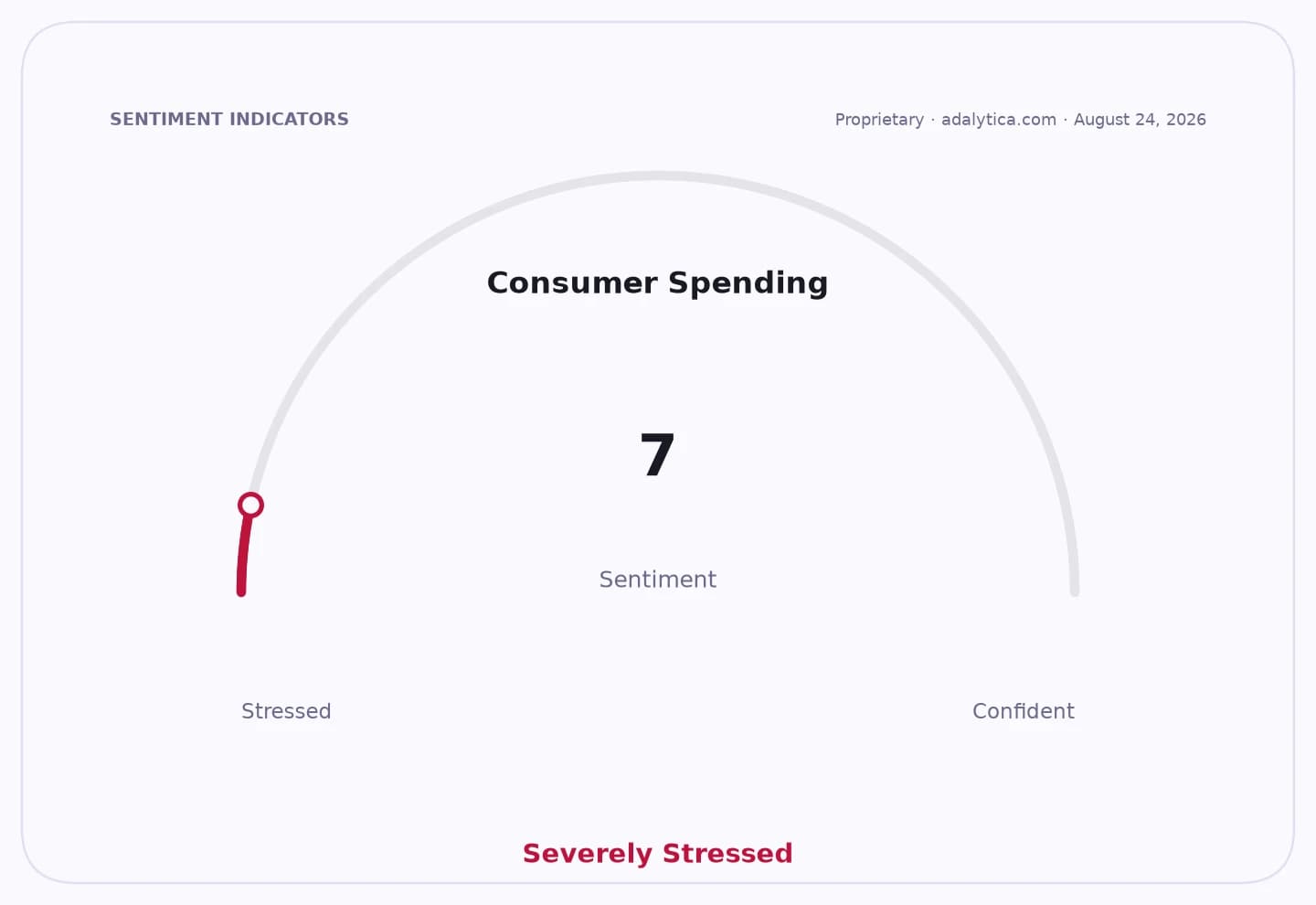
Sentiment IndicatorsⓘProprietary · adalytica.com · August 24, 2026
This is a snapshot — live sentiment, awareness and momentum for 130+ markets update continuously in the dashboard.Open AlphaPulse
The move also comes at a delicate moment for investors. Across markets, consumer-spending sentiment remains weak, while streaming shares have been volatile as traders weigh the durability of premium video demand against slowing discretionary spending. Netflix’s stock has recovered sharply from earlier lows and sits above its 50-day moving average, with momentum indicators strengthening, but the broader pattern still suggests a market that is rewarding pricing discipline while watching for churn. Disney has also rallied from spring weakness, helped by steadier streaming performance and a rebound in sentiment around its media businesses. Amazon, meanwhile, is using Prime as part of a broader bundle that gives it more room to absorb price increases than a pure-play streamer, but higher fees still matter because they can reshape engagement and retention.
For Europe, the economic significance is bigger than entertainment. Streaming subscriptions are part of a wider inflation story that now includes essentials such as fuel and food, and that can change household budgeting behavior. In Western Europe, where wage gains are uneven and consumer confidence remains fragile, repeated price rises across multiple platforms can force families to trade down, share accounts more aggressively or cut services entirely. That would hit not only Netflix, Disney and Amazon, but also the broader ad-supported and subscription video ecosystem, including device makers and distributors that depend on streaming momentum.
The corporate logic is straightforward. Netflix has long argued that its global pricing model should reflect local willingness to pay, especially as it scales premium and ad-supported tiers. Disney+ has been trying to narrow losses in its streaming division, making higher prices one of the few near-term levers available. Amazon can spread the burden across Prime’s shopping, delivery and entertainment benefits, which makes the service stickier than standalone rivals. Still, the same price increases that help monetization can also sharpen competition if consumers decide they do not need all three services at once.
The next test will be retention. If churn stays contained, the companies can continue shifting the business model from growth-at-any-cost to revenue-per-user expansion. If cancellations rise, especially in price-sensitive European markets, investors may have to reassess how much of the streaming sector’s margin recovery is sustainable.
| Entity | Gains | Losses |
|---|---|---|
| Netflix | ▲Higher revenue per user | ▼Price-sensitive subscribers |
| Disney+ | ▲Better streaming monetization | ▼Households cutting discretionary spend |
| Amazon Prime | ▲Stronger bundle economics | ▼Standalone entertainment value seekers |