The biggest risk in an online smart-TV sale is not the sticker price but buying an older or damaged unit that looks cheap upfront and costs more later in repairs, installation disputes or warranty trouble.
Smart TV Buyers Should Check Year, Price, Delivery

With e-commerce platforms pushing large discounts and brands also offering festival deals on their own sites, shoppers can easily be drawn to the headline savings while missing the details that determine the true value of the purchase. The most important checks are the manufacturing year, cross-platform pricing, open-box delivery and whether the television is installed by the company’s service partner.
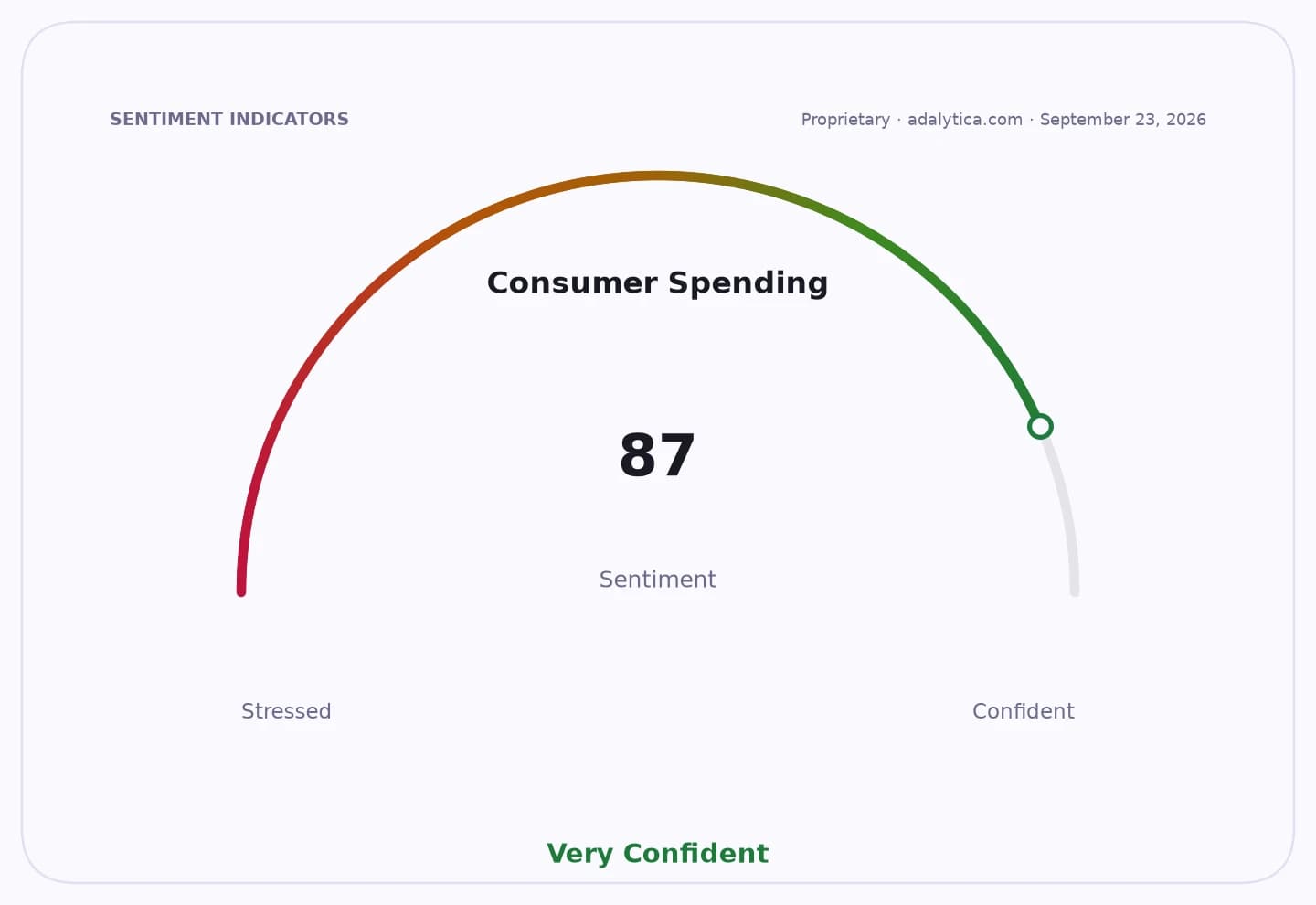
Sentiment IndicatorsⓘProprietary · adalytica.com · September 25, 2026
This is a snapshot — live sentiment, awareness and momentum for 130+ markets update continuously in the dashboard.Open AlphaPulse
The manufacturing date matters because discounts are often deepest on older stock. A 2024 television sold in a 2026 sale may appear attractive on price, but the technology can already be two years behind. That gap can affect picture processing, software support and future service availability. For buyers, a newer model may cost a little more but is more likely to deliver longer usable life and fewer warranty complications.
Price comparison is the second guardrail. Many consumers stop at one marketplace such as Amazon or Flipkart, but the same model can be listed differently on the manufacturer’s website, where festival offers may match or beat the marketplace discount. In a market where promotion is the main sales lever, comparing across channels can determine whether the buyer is getting a real deal or just an inflated markdown.
Open-box delivery is equally important because it shifts some of the risk back to the seller at the point of handover. A television should be unsealed in front of the buyer, allowing visible damage to be flagged immediately and rejected before the transaction is finalized. That is especially relevant for large-screen sets, where shipping damage can erase any savings from a sale price.
Installation is the final check, and it is more than a convenience issue. Buyers are often tempted to unbox and mount the TV themselves, but company installation helps preserve warranty claims and creates a formal record that the unit arrived and powered on in working condition. Skipping that step can leave consumers exposed if a defect appears after opening the box.
For investors and retailers, the message is that the online TV market is no longer just a discount contest. The winners will be platforms and brands that combine pricing with trust, logistics and after-sales service. The losers are sellers relying on old inventory, opaque pricing or weak delivery controls. As streaming, smart-home features and external set-top boxes widen consumer choice, the value proposition is shifting from simply owning a smart TV to buying the right product, through the right channel, with the right protection.
| Entity | Gains | Losses |
|---|---|---|
| Buyers who compare offers | ▲Better value | ▼Risk of overpaying |
| Brands with latest-year stock | ▲Stronger trust | ▼Slower old-stock liquidation |
| E-commerce sellers with open-box delivery | ▲Fewer disputes | ▼Higher logistics burden |
| Consumers skipping installation support | ▲Lower upfront effort | ▼Higher warranty risk |