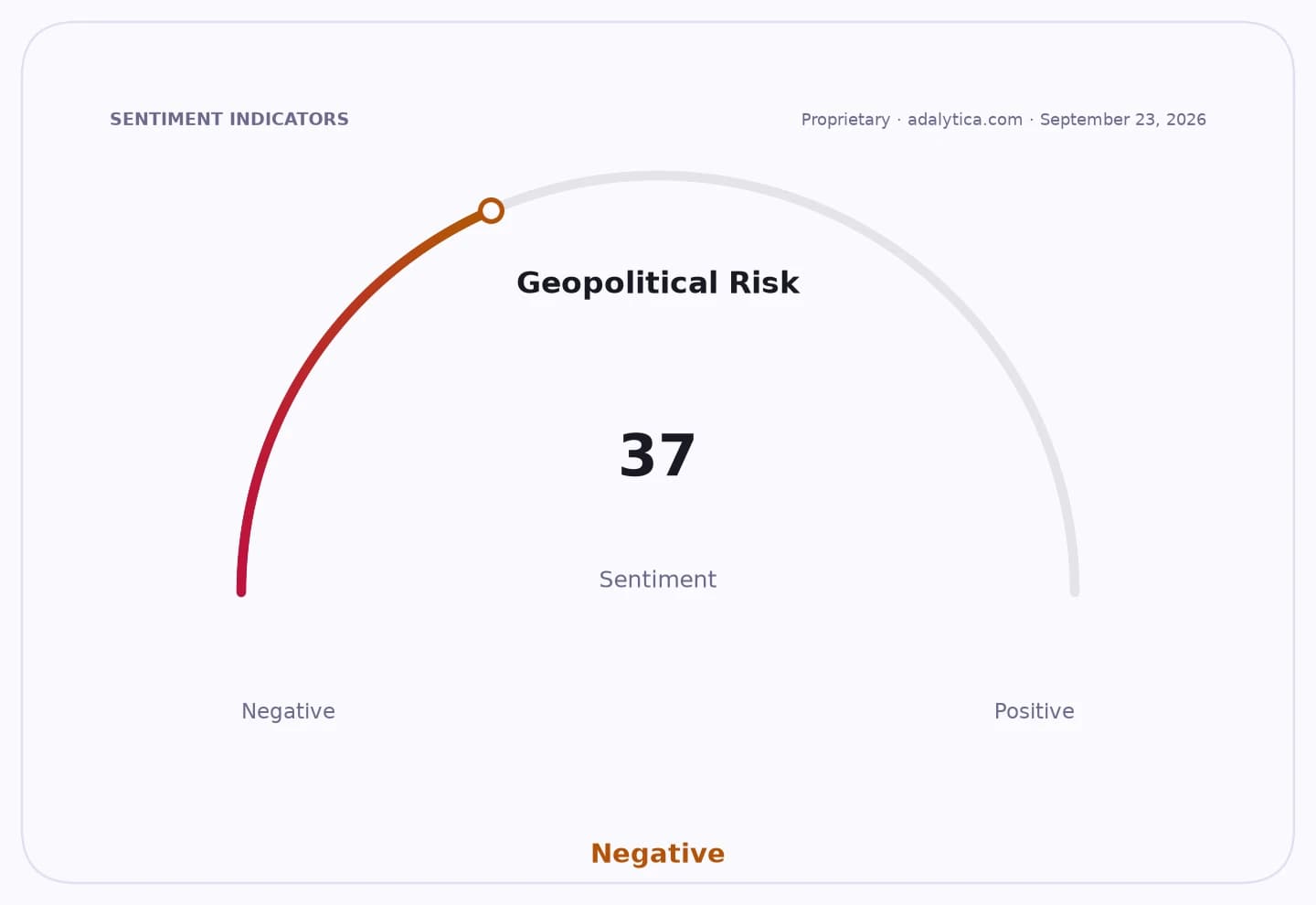
New Caledonia is racing to secure fresh French funding to keep its pension and health systems from collapsing after last year’s riots shattered the territory’s economy, wiped out tourism and left its public finances on the brink of breakdown.
New Caledonia seeks French rescue funding

The Pacific territory, which has already borrowed about $1.2 billion through the French Development Agency for recovery support, won a promise from French Prime Minister Sébastien Lecornu of an additional $600 million to $900 million, plus $96 million to close out 2026 and balance 2027. Most of the aid is expected to come as grants, but it still needs approval from the French parliament.
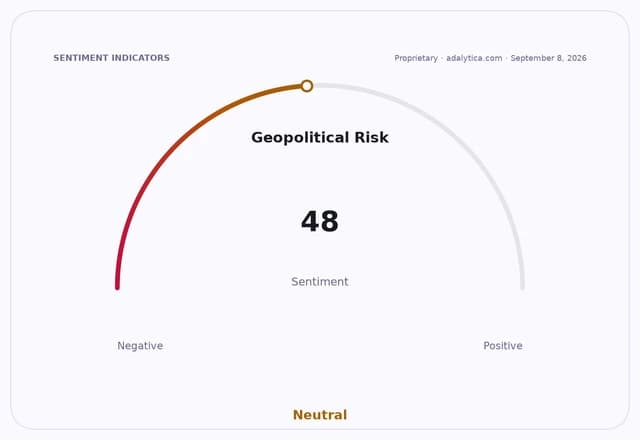
The economic stakes are immediate. President Milakulo Tukumuli warned that without help, more than 40,000 people could be left without pensions within months, while the healthcare system carries a cumulative debt of $578 million. He also said New Caledonia will not make it through 2027 without new support from the French state.
For investors and creditors, the question is not just whether Paris steps in, but how much of the rescue lands as grants rather than loans. Tukumuli has said more borrowing is “untenable” after the territory took on 1.5 billion euros, or about $2.5 billion, between 2020 and 2026. Any further loan-heavy bailout would increase pressure on a public sector already struggling to fund basic services.
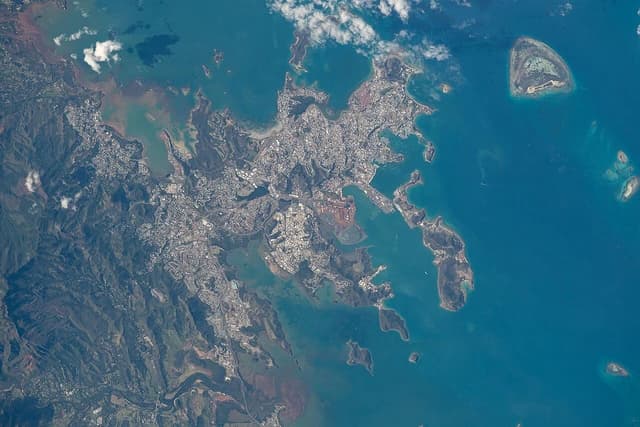
The crisis reflects how deeply the 2024 unrest damaged the local economy. Tourism remains far below pre-riot levels, with just 58,000 international visitors in 2025 versus 125,000 in 2023, the weakest count in 30 years. Businesses say sales have collapsed, unemployment and migration have drained the labor force, and insurance claims from burned-out properties are still unresolved.
Air transport has also been hit. Air Calédonie moved operations away from Nouméa, triggering airport blockades, weeks of flight cancellations and eventually bankruptcy, underscoring how infrastructure disputes are still rippling through the territory.
While outer islands such as Lifou have shown more resilience, helped by cruise traffic and new hotel investment, the mainland economy remains under severe strain. The next catalyst is French parliamentary approval of the rescue package, which will determine whether New Caledonia gets a short-term reprieve or is forced into deeper austerity and further borrowing.
| Entity | Gains | Losses |
|---|---|---|
| New Caledonia government | ▲Near-term liquidity support | ▼More austerity pressure |
| French state | ▲Political leverage | ▼Higher fiscal exposure |
| Pension and health systems | ▲Avoid immediate collapse | ▼Continued debt burden |
| Tourism operators and airlines | ▲Potential recovery funding | ▼Weak demand and closures |