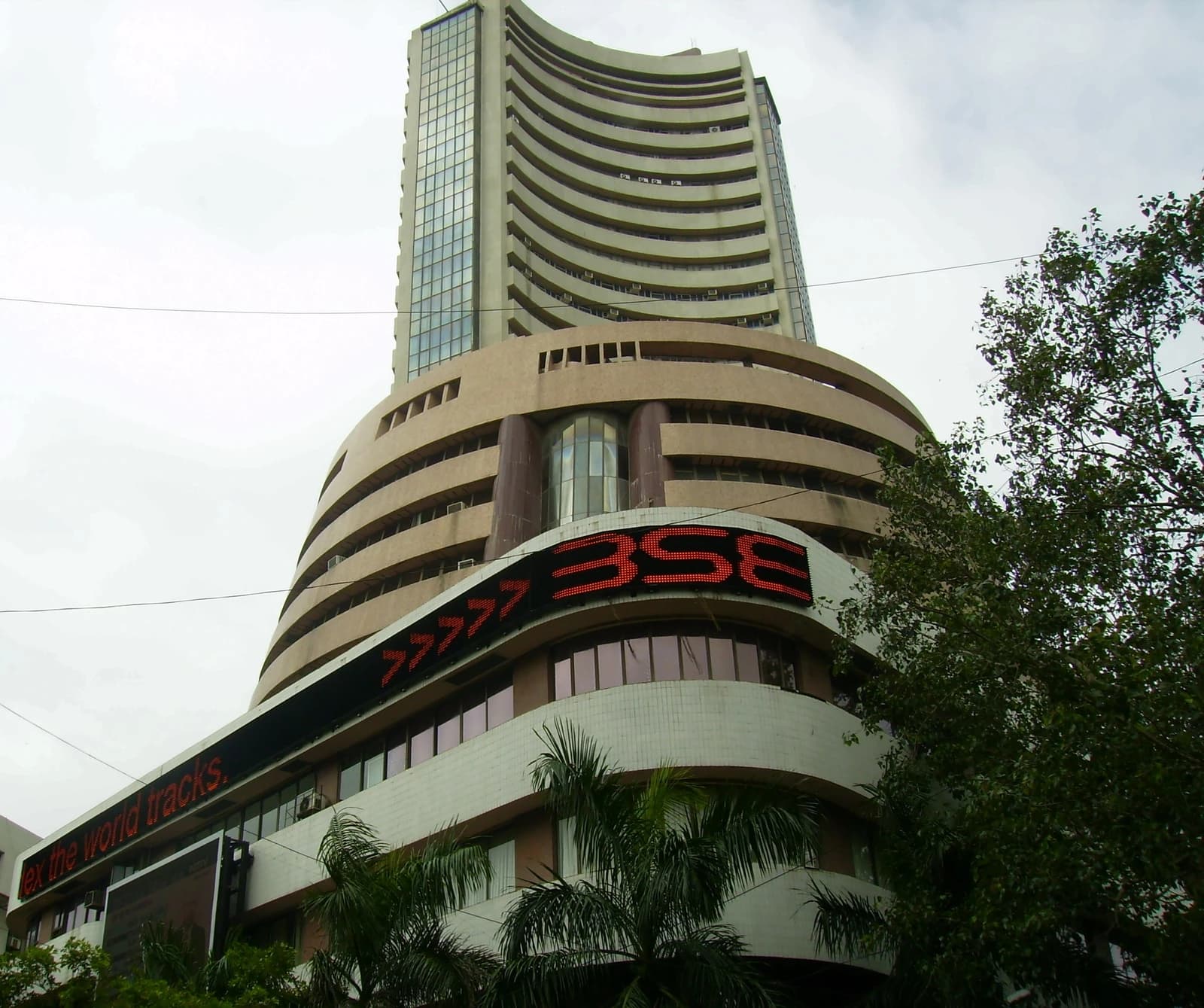
Indian stocks are set to open cautiously, with GIFT Nifty pointing to a flat-to-weak start even as Japan’s Nikkei and Taiwan’s benchmark finished higher and South Korea’s Kospi recovered after a volatile week.
Nifty eyes 24000 as weak global cues weigh
That mix matters because India is trading in a market environment that is still being driven less by domestic optimism and more by global cues — especially crude oil, foreign flows and the next move from central banks. When the overnight tone from Asia is mixed, it usually means Indian investors are likely to stay selective rather than chase the index higher.
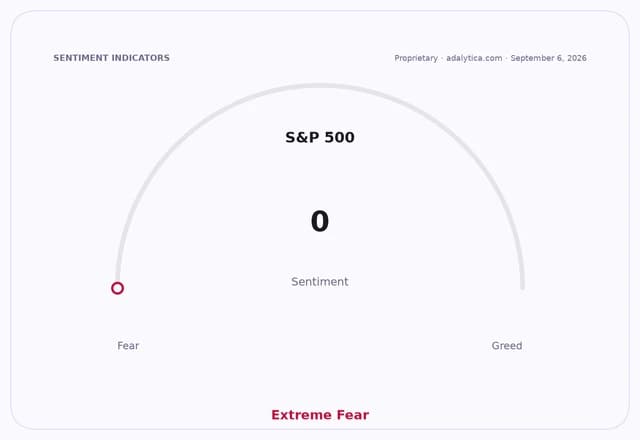
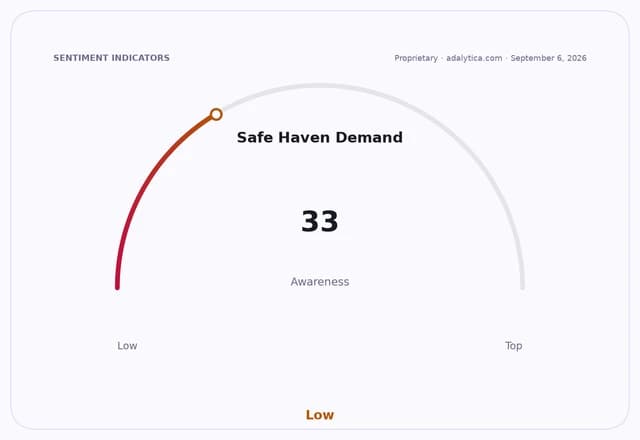
Sentiment IndicatorsⓘProprietary · adalytica.com · September 6, 2026
This is a snapshot — live sentiment, awareness and momentum for 130+ markets update continuously in the dashboard.Open AlphaPulse
For now, the key level is still 24,000 on the Nifty. The index ended Friday at 23,897.70, after briefly moving above that mark intraday before giving up most of the gains in the closing auction. It has now fallen for four straight weeks, and that tells you the market is struggling to build sustained momentum even after a rebound in individual sessions.
The broader weakness is not dramatic, but it is persistent. The Nifty is still below its 50-day moving average, and technical readings remain soft, with the MACD still negative and RSI in the low 30s. That does not scream panic, but it does suggest buyers have not yet wrestled back control. Investors tend to see that as a sign to wait for confirmation rather than assume every bounce will turn into a trend.
What the overseas markets are saying is equally important. The Nikkei rose 1.28% on Friday and Taiwan’s market added 1.61%, helped by strength in real estate, banking, textiles and technology-related names. That is constructive for global risk appetite, especially for export-heavy and chip-linked supply chains. But the Kospi still ended the week down about 1.5% after a sharp midweek slide tied to geopolitical tensions, a reminder that sentiment can turn quickly when geopolitical risk flares.
For India, the immediate market narrative remains defensive. Elevated crude prices are a direct risk to inflation, the current account and corporate margins, while foreign selling has been a steady drag on benchmarks. That combination matters far more than one good session in Tokyo or Taipei. If oil stays firm and global rates remain uncertain, foreign investors are unlikely to rush back into Indian equities in size.
Still, long-term investors should not confuse a sluggish opening with a broken story. India’s structural growth case remains intact, and periods like this often create better entry points in quality businesses with strong cash flows, pricing power and durable moats. The question is not whether the market can bounce for a day or two — it is whether earnings can keep compounding through a tougher global backdrop.
In the near term, expect a stock-specific market rather than a broad-based rally. If Nifty can reclaim 24,000 and then 24,200, sentiment could improve. If it slips below 23,800, the corrective phase could deepen. For investors with a multiyear horizon, this is still a time to watch the leaders, stay diversified and let volatility work for you, not against you.
| Entity | Gains | Losses |
|---|---|---|
| Nikkei, Taiwan stocks | ▲Improved risk appetite | ▼Fresh momentum fades if rates worry returns |
| Kospi | ▲Friday rebound | ▼Weekly losses from geopolitics |
| Indian blue chips | ▲Selective buying | ▼Index-level pressure from oil and foreign selling |
| Long-term investors | ▲Better entry points | ▼Short-term traders chasing breakouts |