Nigeria’s LPG marketers are pushing for tighter safety standards and digital oversight as the country expands gas use and tries to avoid costly accidents, product losses and regulatory breaches.
Nigeria LPG marketers push safety and digital oversight
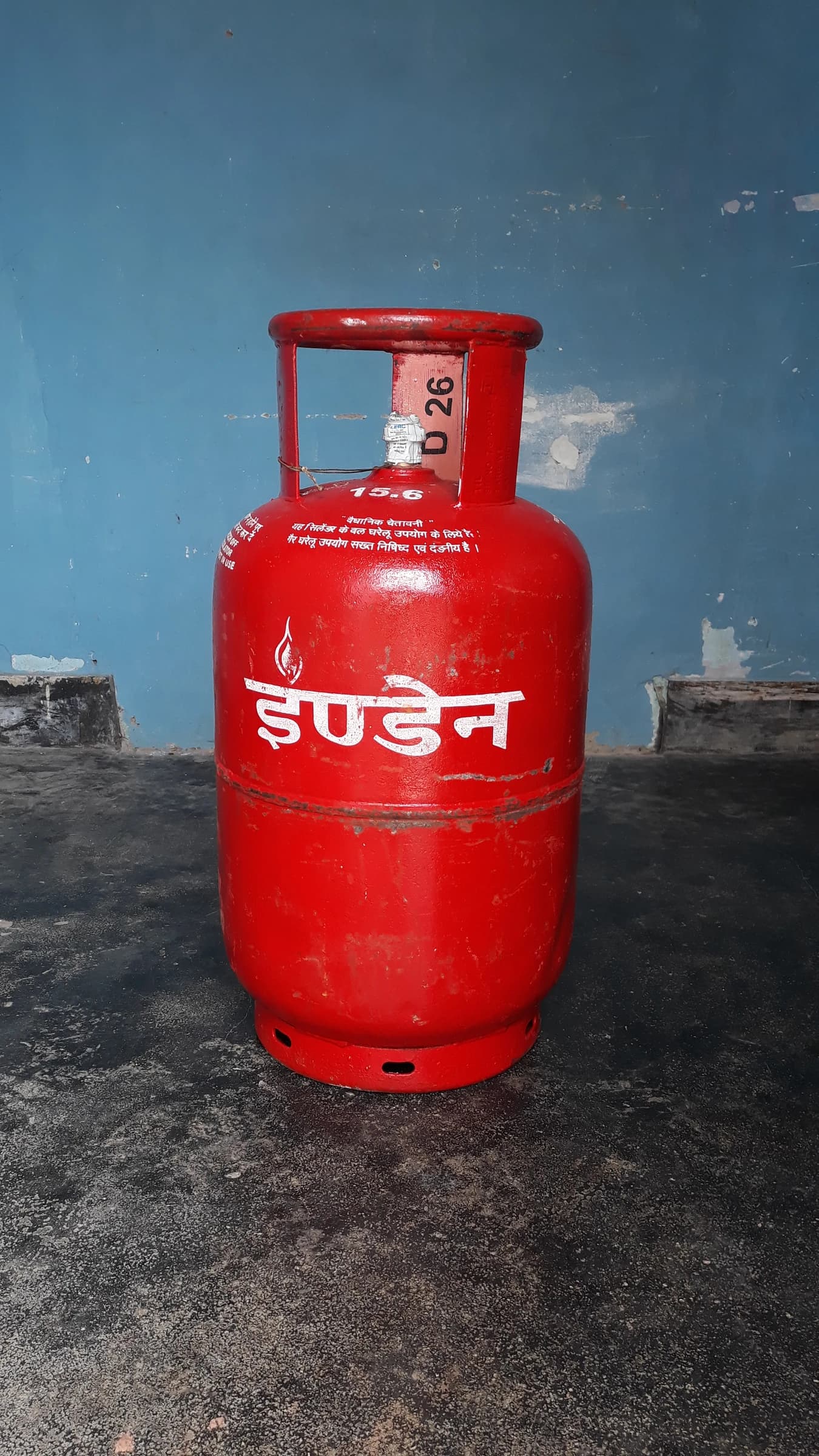
The Nigerian Association of Liquefied Petroleum Gas Marketers said operators need stronger compliance, preventive maintenance and real-time monitoring to support growth in a market that is aiming for about 5 million tonnes of LPG consumption a year by 2030. The call comes as the sector faces persistent safety risks, including unsafe blending, illegal decanting and weak incident reporting.
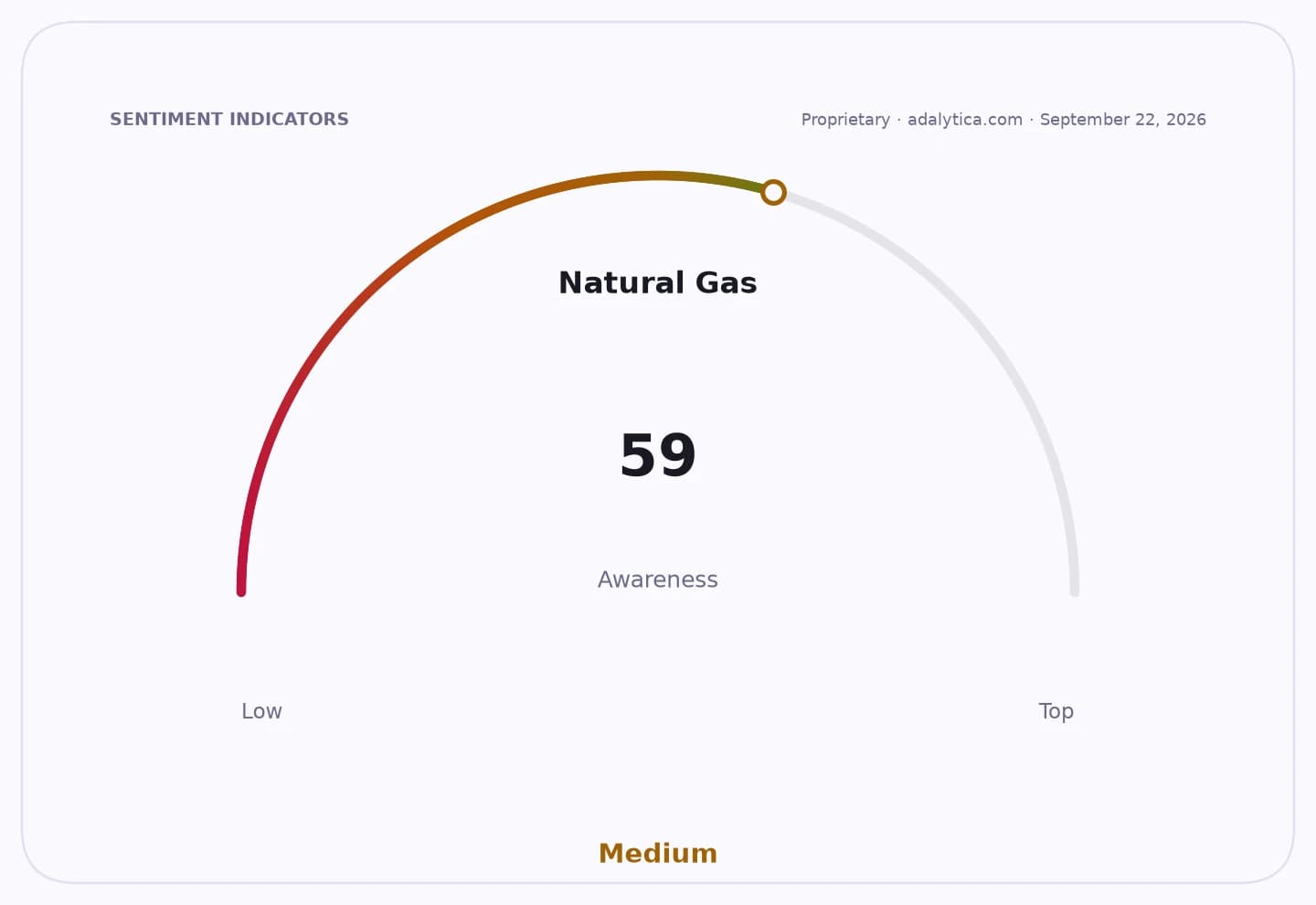
Sentiment IndicatorsⓘProprietary · adalytica.com · October 20, 2026
This is a snapshot — live sentiment, awareness and momentum for 130+ markets update continuously in the dashboard.Open AlphaPulse
NALPGAM said the industry’s expansion cannot rely on higher volumes alone. National president Edu Inyang said safety must become a “continuous industry culture,” arguing that compliance reduces accidents, protects capital and improves business performance rather than simply meeting regulatory requirements.
The association’s webinar adopted an ambition for a “NALPGAM Standard of Operational Excellence,” centered on safe and well-maintained facilities, trained operators, compliant processes and customer protection. It also urged regulators and industry coordinators to involve marketers more directly in LPG penetration and cylinder recirculation programs, citing their nationwide reach.
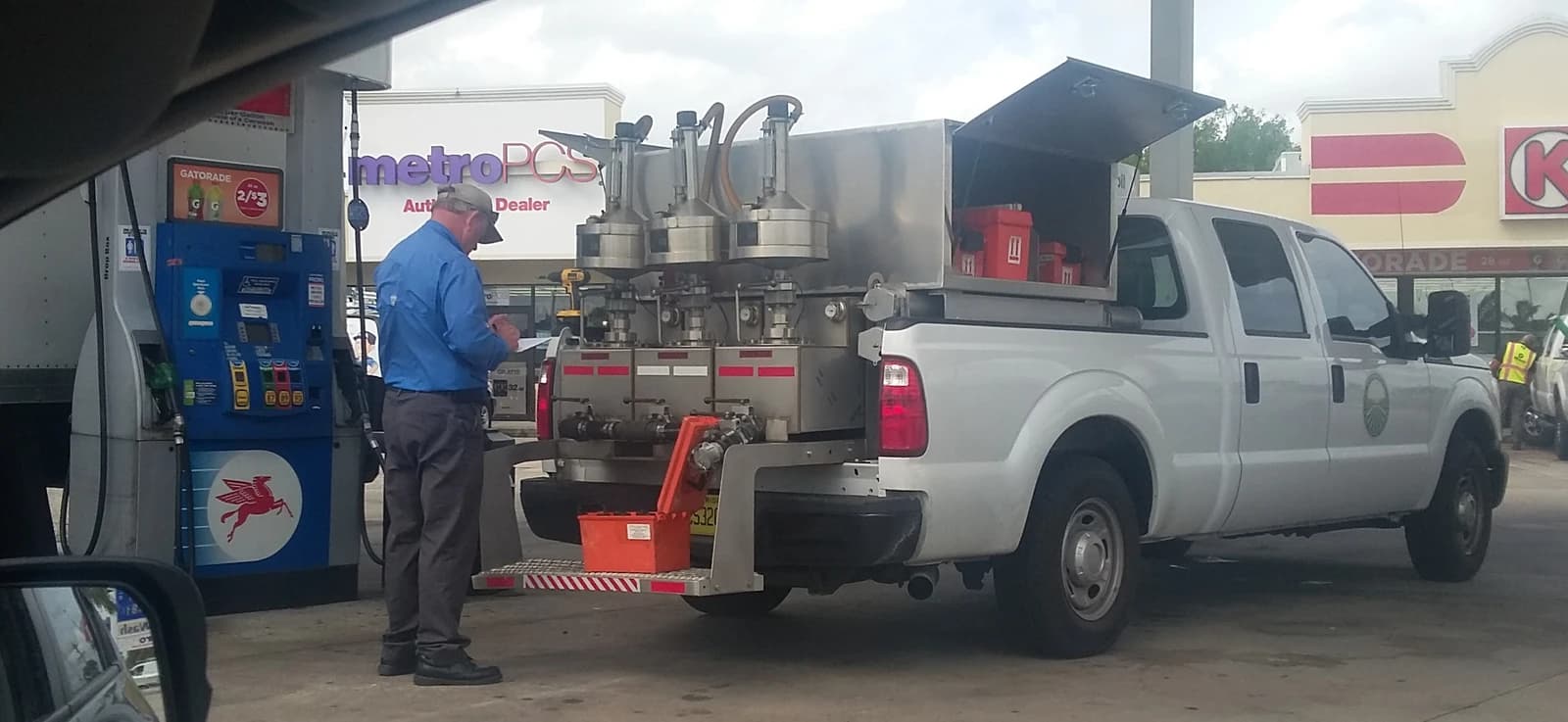
NALPGAM said digital tools such as smart filling systems, automated tank gauges, load cells, flow meters and vehicle tracking can cut losses and improve accountability, a sign that the sector is moving toward tighter industrial controls as distribution networks widen. The message also fits a broader economic need: Nigeria wants more households and businesses on cleaner fuel, but supply-chain growth without discipline raises the risk of incidents that can slow adoption and trigger tougher enforcement.
For investors and operators across the downstream energy chain, the immediate focus is whether the push translates into better margins, lower shrinkage and fewer disruptions. The next test is how quickly regulators and marketers turn the compliance push into enforceable standards, especially as LPG penetration accelerates and safety incidents remain a material operational risk.
| Entity | Gains | Losses |
|---|---|---|
| NALPGAM members | ▲Better compliance framework | ▼Higher operating discipline costs |
| Regulators | ▲Easier enforcement | ▼More oversight burden |
| Consumers | ▲Safer LPG supply | ▼Risk from unsafe operators |
| Non-compliant operators | ▲None | ▼Crackdown, fines, losses |