High rents and other business costs are becoming a direct drag on productivity in Nigeria, forcing manufacturers to argue for policy relief just as tighter financial conditions and weak operating infrastructure squeeze margins and investment plans.
Nigeria Manufacturers Press for Cost Relief

The Manufacturers Association of Nigeria’s Ikeja branch has renewed pressure on policymakers to tackle expensive energy, high borrowing costs, multiple taxation, poor infrastructure and regulatory bottlenecks, a combination that raises unit costs and leaves less room for firms to expand output, hire workers or modernize equipment. For an economy trying to rebuild industrial capacity, that matters because rent and related overheads are not just a property issue: they feed into final prices, cash flow and the viability of local production.
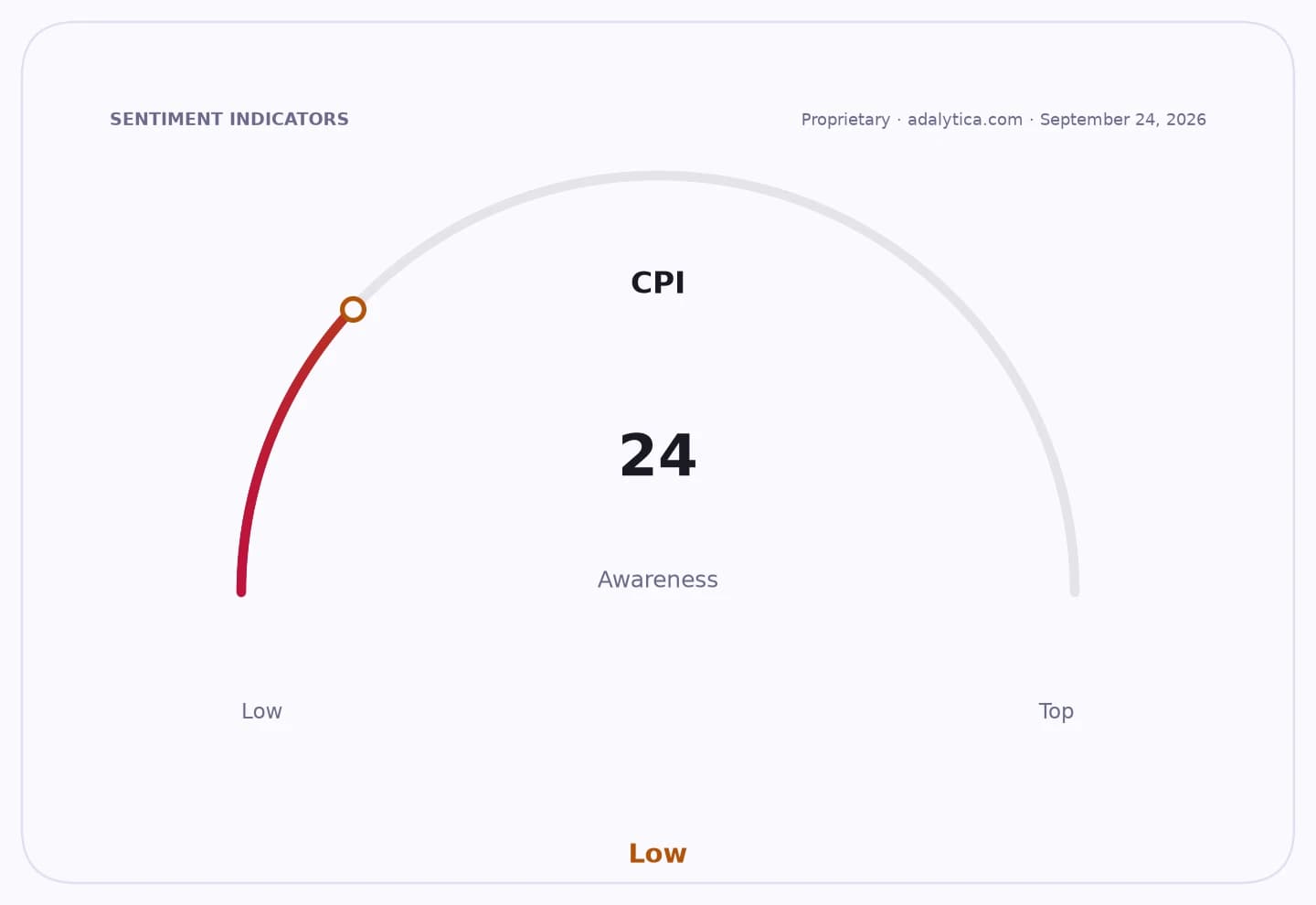
Sentiment IndicatorsⓘProprietary · adalytica.com · August 22, 2026
This is a snapshot — live sentiment, awareness and momentum for 130+ markets update continuously in the dashboard.Open AlphaPulse
The problem is acute when financing is already costly. With the policy rate still elevated and broader credit conditions tight, firms face a double squeeze from higher rent and higher interest expense, making it harder to fund inventory, machinery and working capital. That tends to favor businesses with stronger balance sheets, imported finished goods and distributors able to pass costs through, while smaller manufacturers absorb the pain through lower utilization, delayed expansion or outright closures.
The message also fits a wider macro pattern in which inflation remains too sticky to give producers much breathing room. When operating costs rise faster than sales volumes, productivity suffers because companies spend more merely to stand still. In practice, that can mean fewer formal jobs, lower tax receipts over time and weaker domestic supply chains, especially in sectors that depend on local sourcing and reliable logistics.
For investors, the implication is that Nigeria’s industrial recovery will depend less on nominal demand alone than on whether policymakers can lower the cost base. Any credible moves on power, transport, taxation and financing would be supportive for manufacturers, builders and domestic consumption plays. Without them, listed and unlisted companies alike may continue to face thin margins, uneven demand and a higher risk premium.
The stock market backdrop remains cautious, with broader risk appetite looking fragile and the dollar’s recent swings underscoring how sensitive emerging markets are to funding conditions. In that setting, companies exposed to domestic operating costs may continue to lag peers with pricing power or hard-currency revenue, while beneficiaries of reform would be the first to see a sustained rerating.
| Entity | Gains | Losses |
|---|---|---|
| Manufacturers in Nigeria | ▲Lower operating costs | ▼Margin pressure |
| Nigerian consumers | ▲Potentially lower prices | ▼Higher pass-through costs |
| Policymakers | ▲Faster industrial growth if reforms work | ▼Credibility if costs stay high |
| Imported goods sellers | ▲Relative price advantage | ▼Local producers who lose share |