Nigeria’s ₦70,000 minimum wage is not just low by global standards — it is being eroded by the cost of simply getting through the month, and that is what matters most for workers and investors alike.
Nigeria Minimum Wage and Purchasing Power
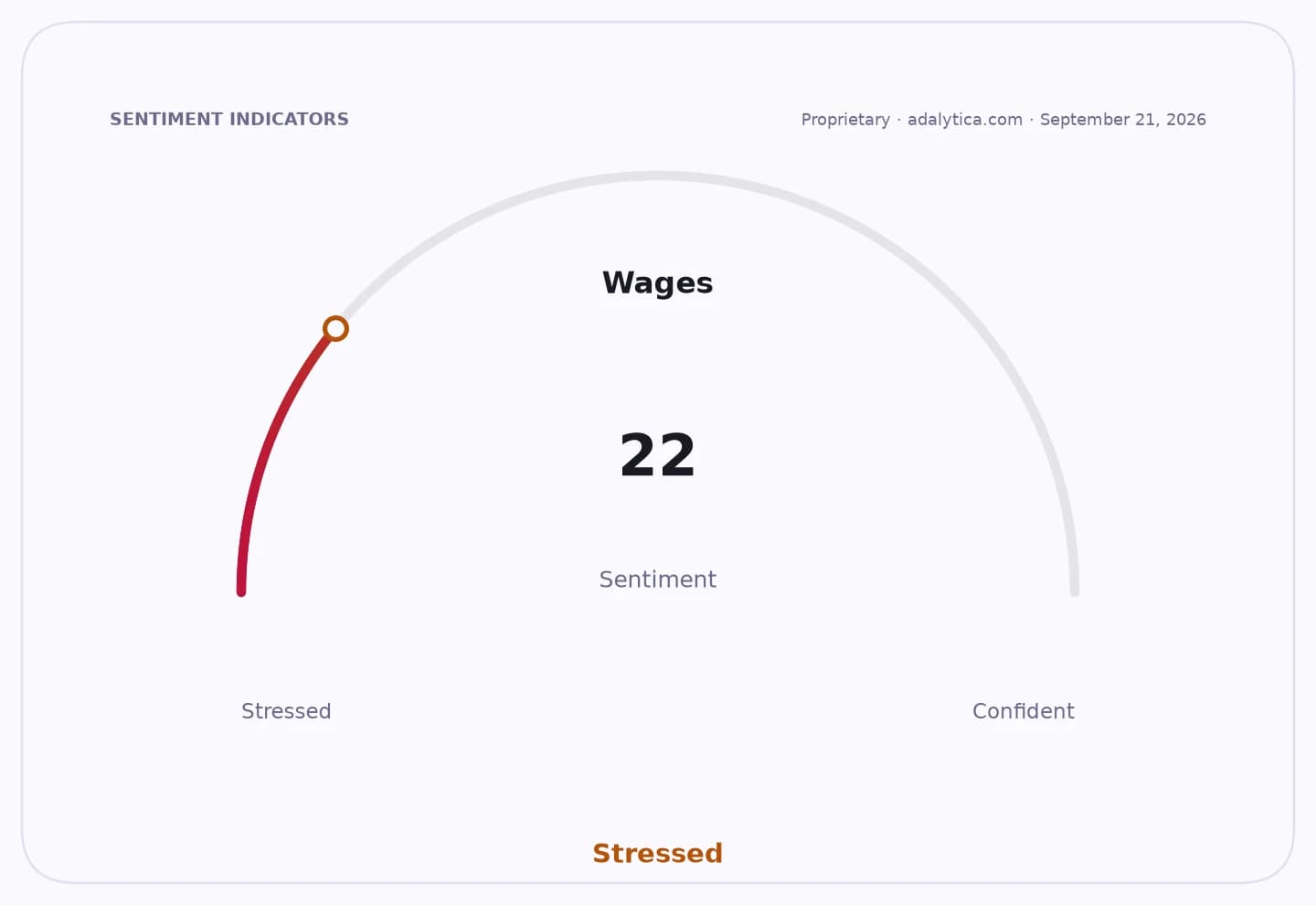
A pay floor is supposed to protect purchasing power. In Nigeria, it is struggling to do that. Once transport, food, rent, electricity and communications are paid for, there is very little left from ₦70,000, especially in cities such as Lagos and Abuja. That is why the real issue is not the number on a payslip, but how far the money goes in the local economy.
Sentiment IndicatorsⓘProprietary · adalytica.com · September 6, 2026
This is a snapshot — live sentiment, awareness and momentum for 130+ markets update continuously in the dashboard.Open AlphaPulse
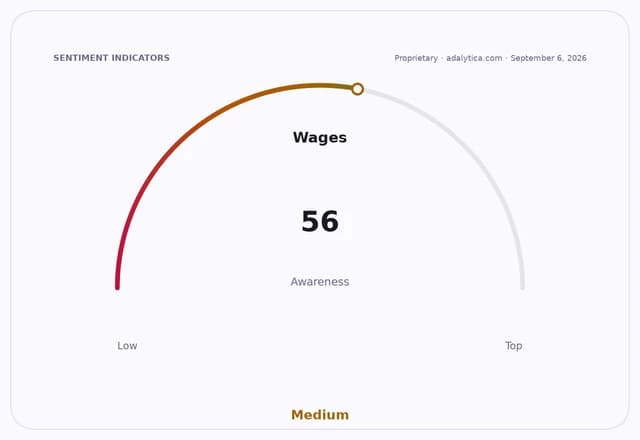
The contrast with richer countries is stark. In PPP-adjusted terms, Australia’s monthly minimum wage comes out at $2,819, ahead of Belgium at $2,752, Iceland at $2,730 and New Zealand at $2,673. France and Ireland also rank near the top, at $2,465 and $2,433, respectively. The point of the purchasing-power comparison is crucial: it strips out the illusion created by simple currency conversion and asks what a worker can actually buy.
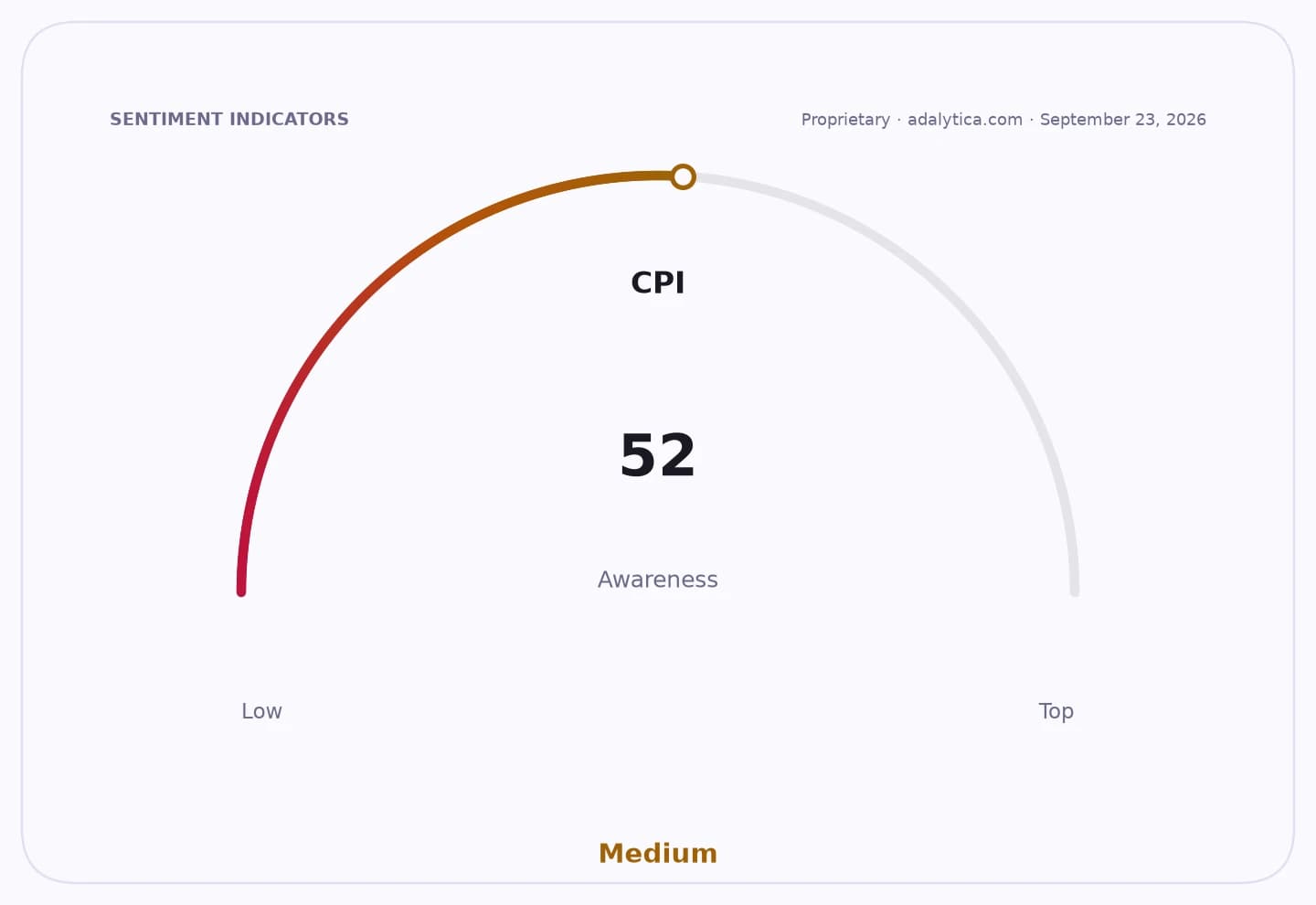
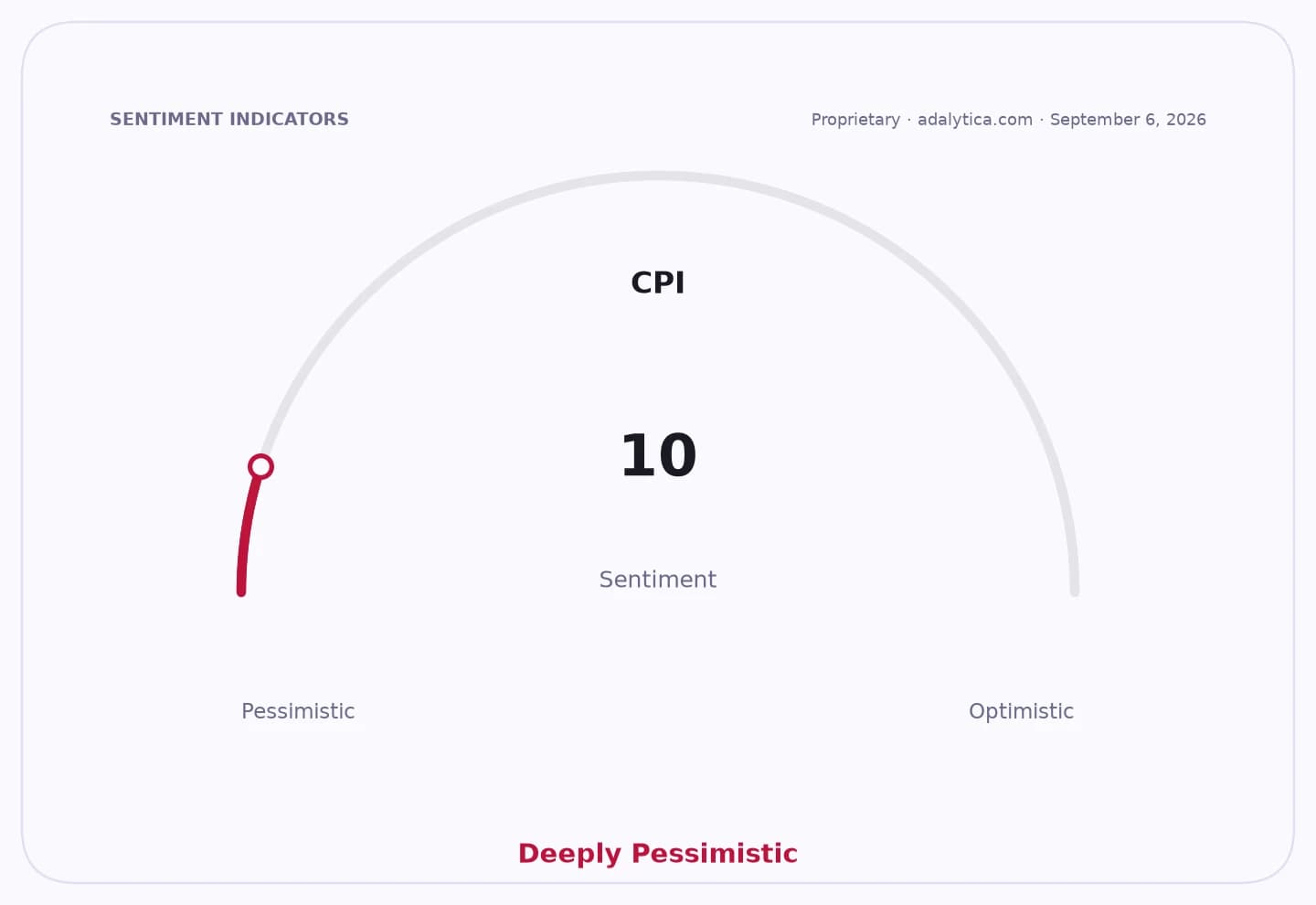
That is the right lens for Nigeria, where nominal wage gains have repeatedly been swallowed by inflation and higher living costs. The latest inflation backdrop remains punishing, with the consumer price index still elevated after a sharp surge in recent years. Even when wages rise, households can end up no better off if food, housing and transport rise faster.
For investors, this matters because weak household purchasing power is not an abstract social issue — it shapes demand across the economy. When millions of workers have little left after essentials, spending on discretionary goods, services and consumer upgrades stays constrained. That can weigh on retailers, consumer lenders, telecoms, housing-linked businesses and any company depending on broad-based domestic demand.
It also helps explain why minimum wage debates keep resurfacing across Africa and elsewhere. Governments want to offer relief, but businesses need room to hire and keep jobs. Raise the floor too slowly and workers lose ground; raise it too aggressively without productivity gains and employers feel the squeeze. Argentina’s decision to set a minimum wage below the indigence line shows this tension is hardly unique to Nigeria.
The long-term takeaway for investors is simple: the countries and companies that win are the ones where wages rise alongside productivity, inflation stays contained and households can convert income into real spending power. Nigeria’s ₦70,000 minimum wage may be a policy headline, but as a consumer story it still leaves workers short. That makes it worth watching as a marker of how much room the economy has to support durable growth.
| Entity | Gains | Losses |
|---|---|---|
| Nigerian workers | ▲Higher wage floor | ▼Limited real purchasing power |
| Nigerian employers | ▲Flexibility vs. rapid wage hikes | ▼Pressure from higher labor costs |
| Consumer-facing businesses in Nigeria | ▲Potential wage-led demand if incomes rise | ▼Weak discretionary spending |
| Workers in Australia and Europe | ▲Stronger purchasing power | ▼Higher wage expectations for employers |