Nigeria’s federal government is moving to tighten one of the most leak-prone corners of public spending, telling ministries, agencies and state-backed entities to stop awarding inflated contracts or risk sanctions.
Nigeria Tightens Public Contract Oversight
That matters because public procurement is where overpricing, weak oversight and restricted competition can quietly drain budgets long before a project ever breaks ground. If the government actually enforces this directive, it could improve fiscal discipline, reduce waste and make every naira of public capital spending go further at a time when investors are watching Nigeria’s ability to manage scarce resources.
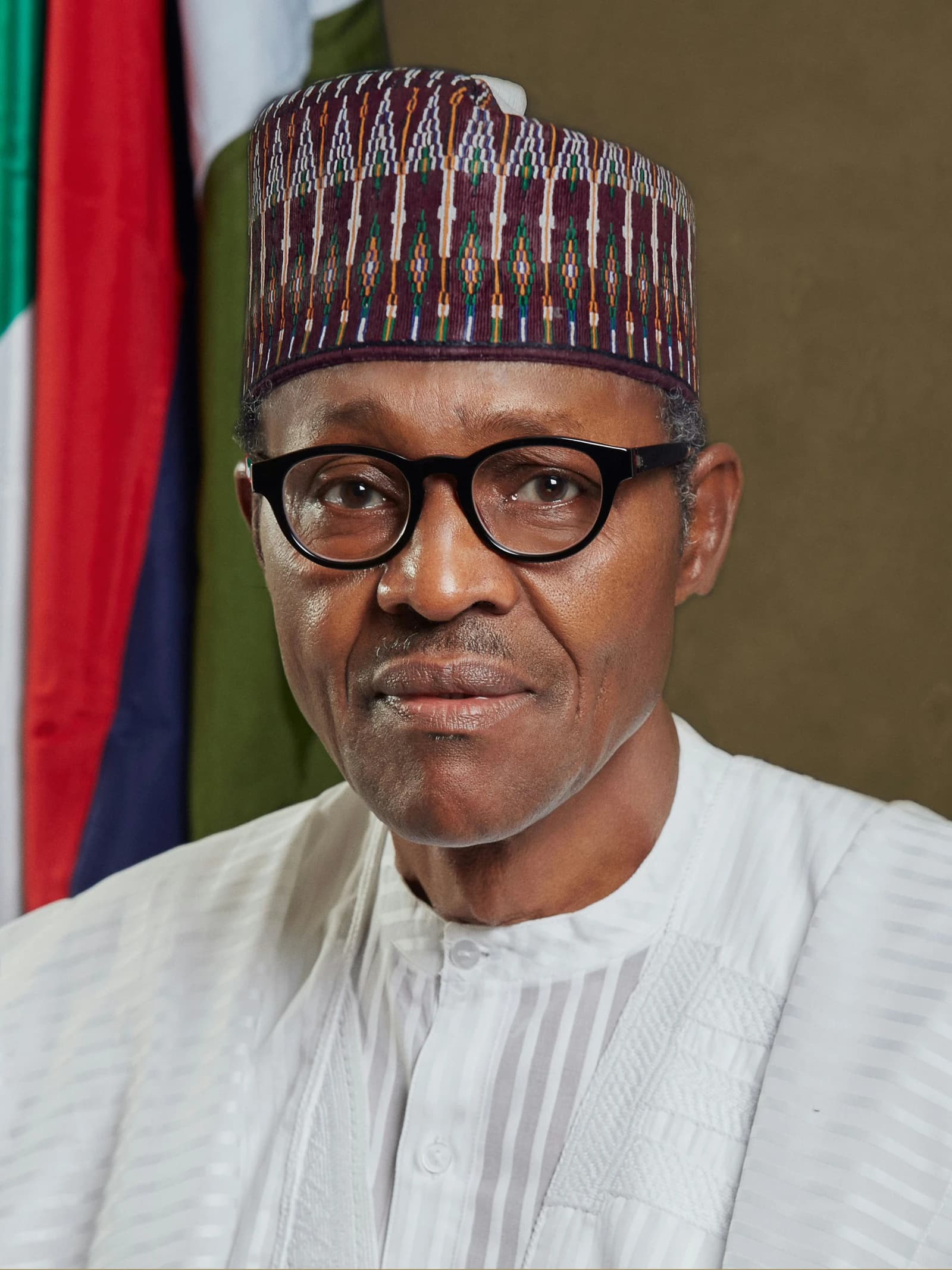
The warning came from Secretary to the Government of the Federation George Akume, who said government-owned enterprises, corporations, councils, authorities and commissions must comply strictly with the Public Procurement Act, 2007, as amended by the Finance Act, 2020. He said some institutions were still awarding contracts above approved benchmarks, using exclusive arrangements that narrow competition and sidestep regulatory scrutiny.
For investors, the immediate takeaway is not a direct market-moving catalyst, but a clearer signal on governance. Better procurement controls can support Nigeria’s credit story over time by limiting fiscal slippage, improving transparency and reducing the risk that public spending is inflated before it reaches the economy in the form of roads, ports, power projects or digital infrastructure.
The directive also puts real responsibility on accounting officers, who now face explicit sanction risk if they continue to approve non-compliant contracts. That is important because enforcement, not policy language, is what determines whether procurement reform changes behavior. The Bureau of Public Procurement has already been given a bigger role in reviewing prices and contract changes, and it says its benchmarking work saved the government about N1.4 trillion in 18 months, alongside more than N303 billion, $304.9 million and €1.74 million in reviewed contracts between January and September 2025.
Those claimed savings should be treated cautiously, since they come from the bureau’s own assessments. But they underline the scale of the issue the government is trying to tackle. In a country where public investment is crucial to growth, inflated contract awards do more than waste money — they crowd out other spending, worsen budget execution and erode confidence that official reforms are translating into better outcomes.
The broader message is that Abuja is trying to build a more disciplined procurement system, from stricter contract benchmarking to tighter review of variations and a standstill period before awards are finalized. If those rules stick, the winners are taxpayers, the treasury and honest contractors. The losers are politically connected middlemen, firms that relied on weak oversight and public institutions that treated procurement as a soft target. For long-term investors, that makes the reform worth watching, especially if it starts to show up in cleaner budgets and better project delivery.
| Entity | Gains | Losses |
|---|---|---|
| Federal government | ▲Lower leakages, better fiscal control | ▼Political pushback from entrenched interests |
| Taxpayers | ▲More value for money | ▼Less room for patronage spending |
| Honest contractors | ▲Fairer bidding environment | ▼Fewer easy overpricing wins |
| Inflated-contract operators | ▲None | ▼Sanctions, tighter scrutiny |