NotCo is unwinding its Latin American footprint far faster than investors may have expected, and the retreat shows how unforgiving the plant-based category has become for once-hot foodtech startups.
NotCo Sells Brazil Unit, Ends Mexico Operations
The Chilean company has sold its Brazil operations to Ferrara after already disposing of its Argentina unit, while its Mexico business reportedly shut down around March after failing to attract a buyer. That leaves Chile as the only market still run directly by NotCo, and even that operation is still losing money, according to sources cited by Diario Financiero.
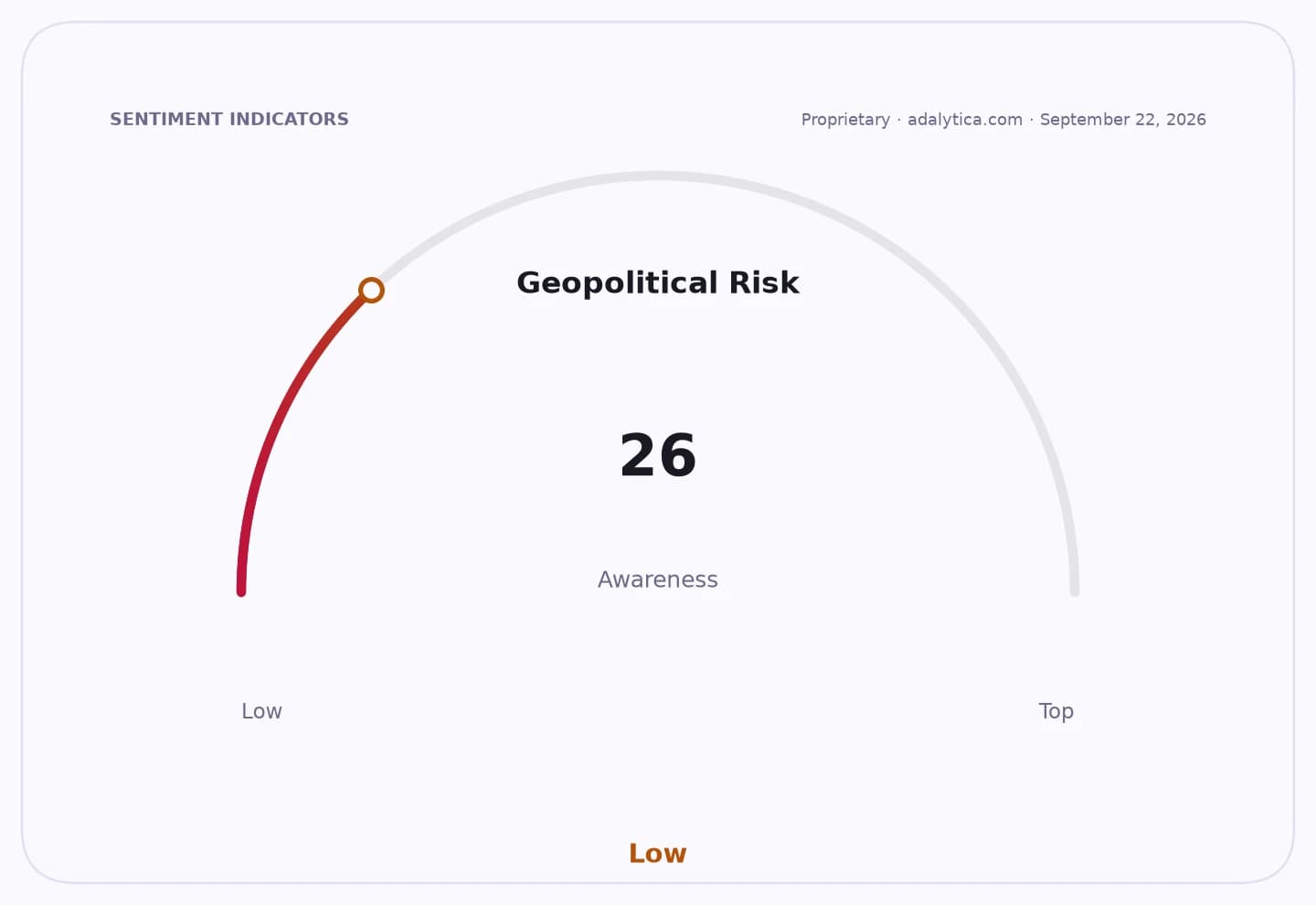
Sentiment IndicatorsⓘProprietary · adalytica.com · September 9, 2026
This is a snapshot — live sentiment, awareness and momentum for 130+ markets update continuously in the dashboard.Open AlphaPulse
For investors, the significance is bigger than one company’s restructuring. NotCo was one of Latin America’s best-known “unicorns,” built on the promise that software could help reinvent plant-based food. The problem is that distribution-heavy consumer businesses still need scale, repeat purchases and pricing power, and those have proven elusive in markets where plant-based demand has cooled and profitability remains thin.
The Brazil sale matters because it underscores how difficult it has been for NotCo to turn regional expansion into a durable business. The company said the transaction would help accelerate brand growth in Brazil, but the source reporting suggests the economics were more basic: the unit had never become profitable, and the 30-person Sao Paulo team was on contracts only through the end of September, with no clear plan for continuation under new ownership.
Mexico is the more telling data point. A business that closes without finding a buyer is usually one that buyers see as needing too much capital, too much restructuring or both. In a consumer category already under pressure from inflation-sensitive shoppers, that tells you the market for standalone plant-based assets is thin. The buyer pool is shrinking, and the burden of building local supply chains, marketing and distribution is increasingly falling on whoever has the balance sheet to absorb it.
Chile is now the final direct holdout, but it is not an obvious growth refuge. Sources said the local business remains in the red and could be sold by product category if profitability does not arrive by year-end. That suggests management is shifting from expansion mode to triage mode, deciding which brands or lines can survive in a narrower, more disciplined structure.
The broader lesson for the sector is clear: the first phase of plant-based enthusiasm is over, and capital is now rewarding operators that can either achieve scale efficiency or bolt their brands onto larger food groups. That makes NotCo’s AI strategy more important than its old geographic footprint. The company is still pitching its software and product-development capabilities to consumer giants including PepsiCo, Mondelēz, Ferrero and Kraft Heinz, and that may prove the better business model if the branded food business keeps shedding assets.
For investors, the opportunity is no longer in betting on a blanket plant-based boom. It is in identifying the companies that own the distribution, manufacturing and ingredient infrastructure that survives the shakeout. NotCo’s exit from Brazil and Mexico is another sign that the winners in this market will be the buyers of distressed assets, not the startups trying to carry every country themselves.
| Entity | Gains | Losses |
|---|---|---|
| Ferrara | ▲Brazil assets at scale | ▼Integration risk |
| NotCo | ▲Cash, lower complexity | ▼Regional footprint |
| Larger food groups | ▲AI/product access | ▼Less distressed bargain supply |
| Plant-based startups | ▲— | ▼Valuation reset |