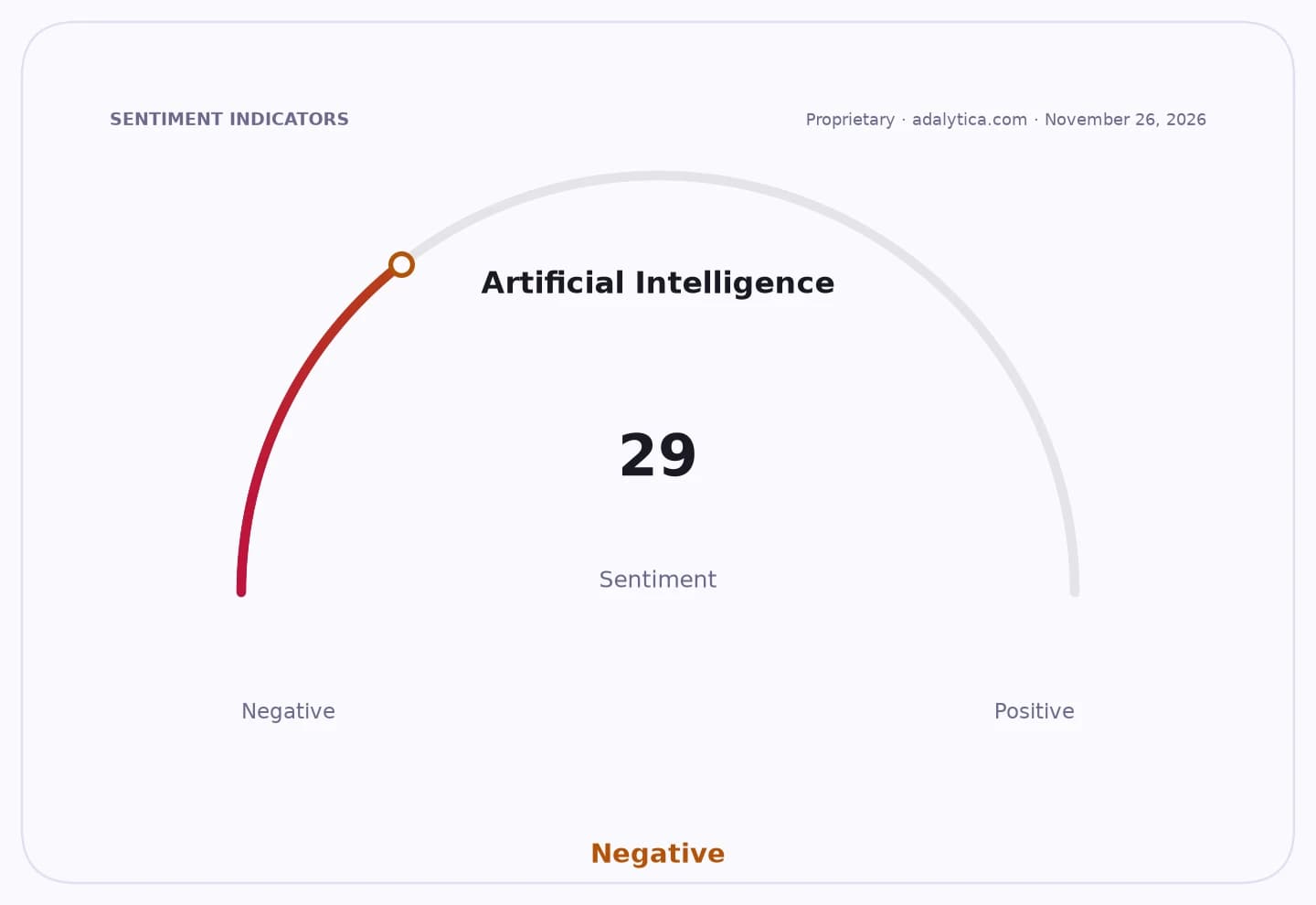
Nubank’s strongest bull case is no longer just growth: voluntary churn of 0.06% a month and customer acquisition costs near $7 imply a 30-times-plus LTV/CAC ratio, making regulation the biggest variable in how much of that value Nu Holdings can keep.
Nubank Churn Economics Face Regulatory Test

That is the economic shift behind the renewed interest in Nu. A digital bank that can acquire customers cheaply and retain them for decades can compound revenue without the branch costs and marketing intensity that burden traditional lenders. In Latin America, where banking fees, credit spreads and financial inclusion remain politically sensitive, that kind of unit economics also invites a different question: whether regulators allow the model’s implied customer lifetime to play out.

The math is unusually powerful. At a $7 acquisition cost, even modest annual revenue per active customer can support a very high lifetime-value calculation if churn remains negligible. Voluntary monthly churn of 0.06% annualizes to less than 1%, meaning the theoretical customer life is measured in decades before considering credit losses, inactive accounts or regulatory intervention. That is why investors are treating Nubank less like a conventional bank and more like a platform with bank-like monetization.
The market has not fully endorsed that view. Nu shares closed at $13.76 on July 10, up 0.7% on volume of 124.2 million shares, the heaviest in the recent data set. The stock has rebounded about 18% from a June 3 close of $11.64 and is trading above its 50-day moving average of $13.01, but it remains below its 200-day average of $15.22. Conventional technical indicators show momentum has improved, with the RSI at 66.6, though the stock is still recovering from a spring selloff.

The regulatory backdrop is central because Nubank’s economics depend on permission as much as product design. Nu said in a July 10 filing that its Mexican banking unit had been notified by regulators, a reminder that expansion in Latin America is gated by licenses, capital rules and local supervision. Mexico offers a second large market for the model, but it also reinforces the point that Nu’s lifetime-value story is only as durable as the rules governing digital banking, consumer credit, data use and fees.
Brazil remains the key test. The country’s central bank helped create one of the world’s most competitive digital-finance environments, including instant payments and open-finance initiatives that weakened incumbents’ distribution advantage. That environment allowed Nubank to scale against Itaú Unibanco and Bradesco. But the same political economy that opened the market can also tighten it if consumer debt, interchange fees or credit pricing become policy targets.
Macro conditions are giving both challengers and incumbents room to compete. Bradesco warned in a May filing that Brazil has faced high interest rates because of inflationary pressures and macro instability, while also pointing to low unemployment and income-tax relief as supports for household consumption. High rates can lift banking spreads but raise credit risk; easing expectations would support loan growth while potentially compressing margins.
Incumbent bank shares have also rallied, showing the move is not only a Nubank story. Itaú’s ADR closed at $8.62 on July 10, up 4.1%, above both its 50-day and 200-day moving averages, with an RSI of 80.2. Bradesco’s ADR rose 4.9% to $3.65, also above its 200-day average, with an RSI of 76.4. Those stretched readings suggest investors are bidding up Brazilian financials broadly, not just rewarding Nu’s digital economics.
For Nubank investors, the distinction matters. Incumbents benefit from credit cycles, deposit franchises and scale. Nu’s premium case depends on whether low churn converts into cross-selling, higher balances and profitable credit over many years. A 30-times LTV/CAC ratio can justify a rich valuation if retention, funding access and regulatory treatment remain favorable. It becomes fragile if policymakers cap economics before year 15 of the customer relationship.
The next phase of the trade will be less about whether Nubank can attract customers and more about whether Latin American regulators let the company monetize them for as long as the churn math implies.
| Entity | Gains | Losses |
|---|---|---|
| Nu Holdings | ▲Decades-long customer value | ▼Regulatory limits on monetization |
| Itaú and Bradesco | ▲High-rate banking margins | ▼Digital share erosion |
| Brazilian consumers | ▲Lower-cost financial access | ▼Tighter credit if rules shift |
| Nu shareholders | ▲Operating leverage from retention | ▼Valuation hit if churn thesis breaks |