The Nasdaq-100 has been bruised by a sharp reset in AI leaders, and that is exactly why income-oriented funds are back in focus for investors who do not want to abandon the theme entirely. The trade now is less about chasing every rally in Nvidia and the broad tech complex than about cushioning a volatile stretch in which richly valued AI winners can swing hard on any hint of margin pressure, valuation compression or slower spending.
Nvidia, QQQ and SMH Fall as High-Yield Funds Gain

That backdrop matters because the AI boom is still driving capital formation, revenue growth and index leadership, but it is also concentrating risk. Nvidia’s shares have fallen to $149.30 from $235.20 in May, while the Nasdaq-100 ETF QQQ has dropped to $633.93 from above $735 in late June. The semiconductor ETF SMH has been hit even harder, sliding to $422.46 from $655.89 on June 30. Those declines reflect more than ordinary profit-taking: they show how dependent the broader market has become on a narrow group of AI beneficiaries, and how quickly sentiment can reverse when those names lose technical momentum.
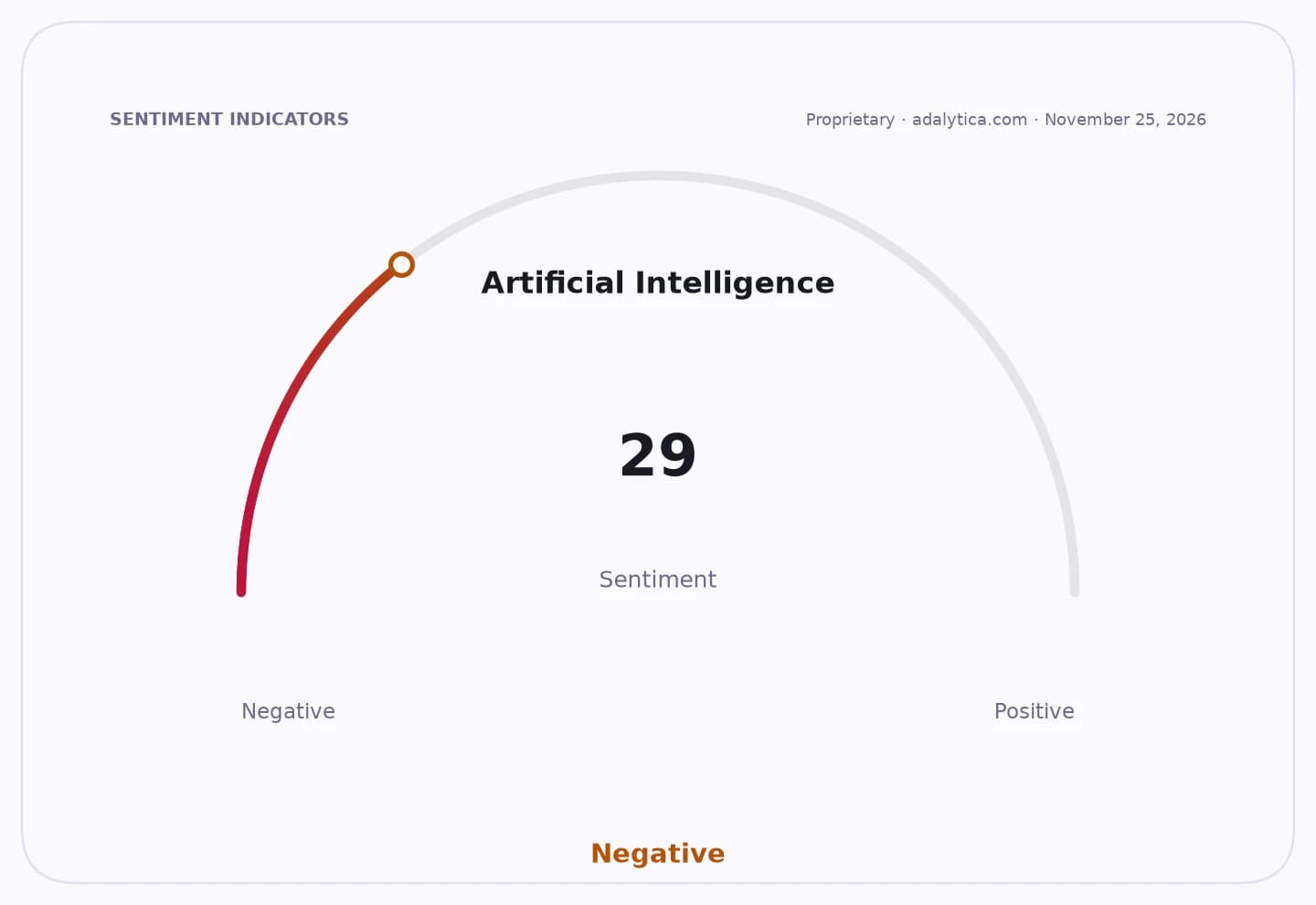
Sentiment Indicators
S&P 500
The technical picture underscores that fragility. QQQ sits below its 50-day moving average at $707.02, with a relative strength index of 46.7 after briefly sinking to 21.8 in late July, while Nvidia remains below both its 50-day and 200-day moving averages and has an RSI of 37.7. SMH’s 50-day average at 541.11 stands well above its latest close, and its RSI at 45.3 suggests the group is no longer oversold but still lacks convincing trend strength. In other words, the market is not in a collapse, but it is no longer rewarding indiscriminate AI exposure.
That is why the case for high-yield funds is strengthening. If investors believe AI will remain a long-term earnings engine but expect near-term volatility, dividend-heavy and higher-income vehicles offer a way to stay invested while reducing dependence on multiple expansion in megacap growth names. The appeal is straightforward: yield can help offset drawdowns, provide cash flow while waiting for prices to stabilize, and make portfolio construction less vulnerable to a single factor trade. For many allocators, that is a better risk-reward setup than going all in on a market where the largest winners have already run far and are now retracing.

The move also reflects a broader shift in market psychology. Adalytica’s S&P 500 trade signals show fear at 18, even as awareness remains elevated at 73, suggesting investors are still watching the market closely but are not comfortable chasing risk. Fed expectations are also in flux, leaving rate-sensitive income strategies in play if growth cools and policy easing becomes more likely. That combination favors a barbell approach: keep exposure to AI’s long-term growth story, but hedge it with funds that pay investors to wait.
The bull case for staying with AI is that the underlying investment cycle has not broken. Corporate spending on data centers, chips and software remains substantial, and the technology is still spreading across industries. The bear case is that a lot of good news is already priced in, while execution risk, power constraints and valuation pressure can hit the highest-flying names hardest. For investors, the practical conclusion is that AI does not need to be abandoned — it may simply need to be financed with income.
| Entity | Gains | Losses |
|---|---|---|
| High-yield funds | ▲Income demand rises | ▼Growth-chasing funds |
| AI stock investors | ▲Better risk balance | ▼Pure momentum traders |
| Nvidia and SMH bulls | ▲Long-term theme intact | ▼Near-term valuation multiples |
| QQQ holders | ▲Diversification appeal grows | ▼Concentrated tech exposure |