Dow Jones futures were pointed lower Friday as investors weighed renewed tariff uncertainty, fresh focus on Nvidia and shifting odds around the next Federal Reserve chair, with Treasury yields and credit gauges signaling a market that is still comfortable but not relaxed.
Nvidia and Tariff Risk Weigh on Dow Futures
The 10-year Treasury yield was last seen at 4.69%, with a forecast for 4.675%, while the 10-year/2-year spread held at 0.50 percentage point, a sign the bond market still expects growth to slow without tipping into immediate recession. High-yield credit stress remains contained, with the Bloomberg U.S. corporate high-yield spread at 2.75 percentage points, but that leaves little room for a sharper policy or trade shock.
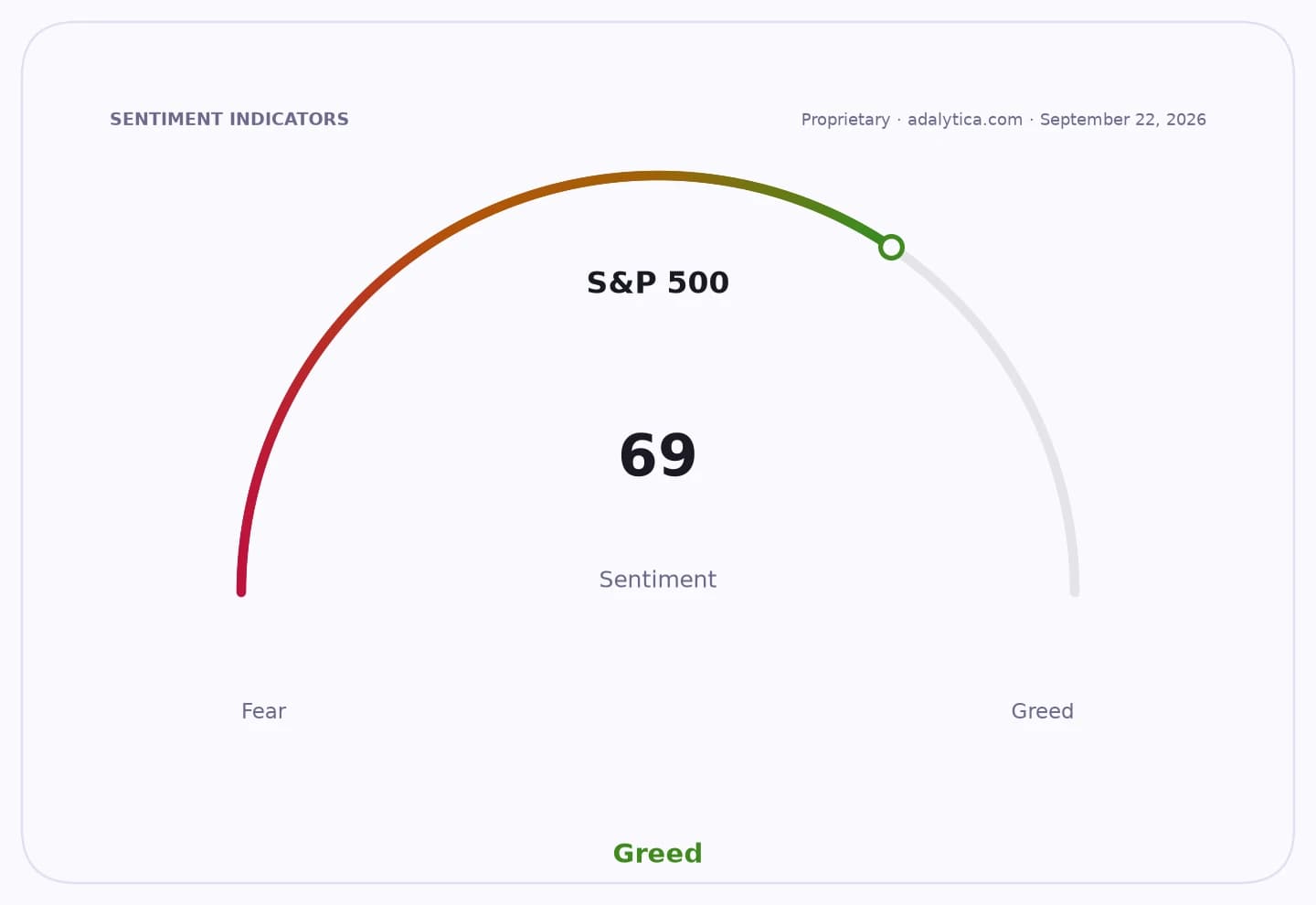
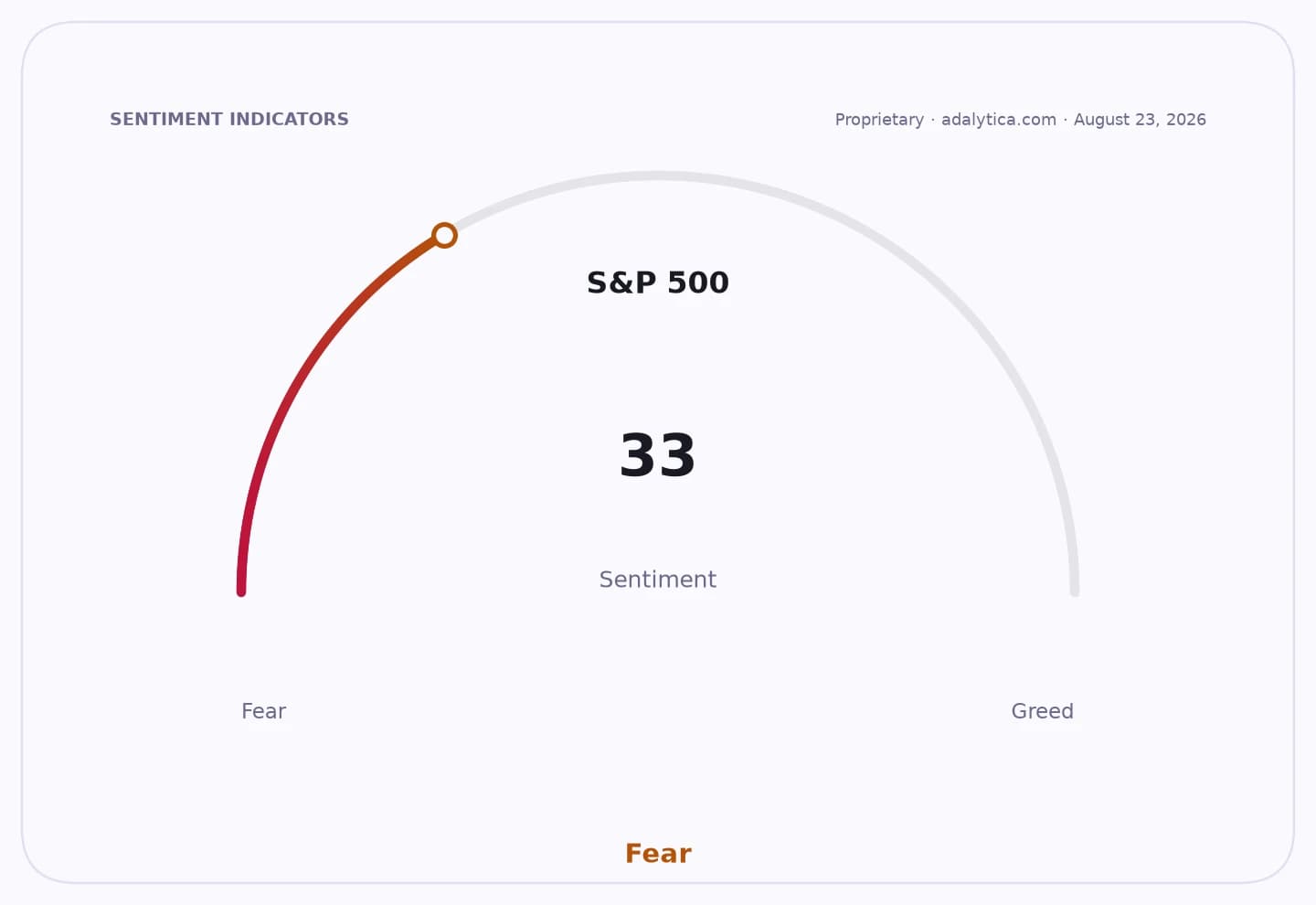
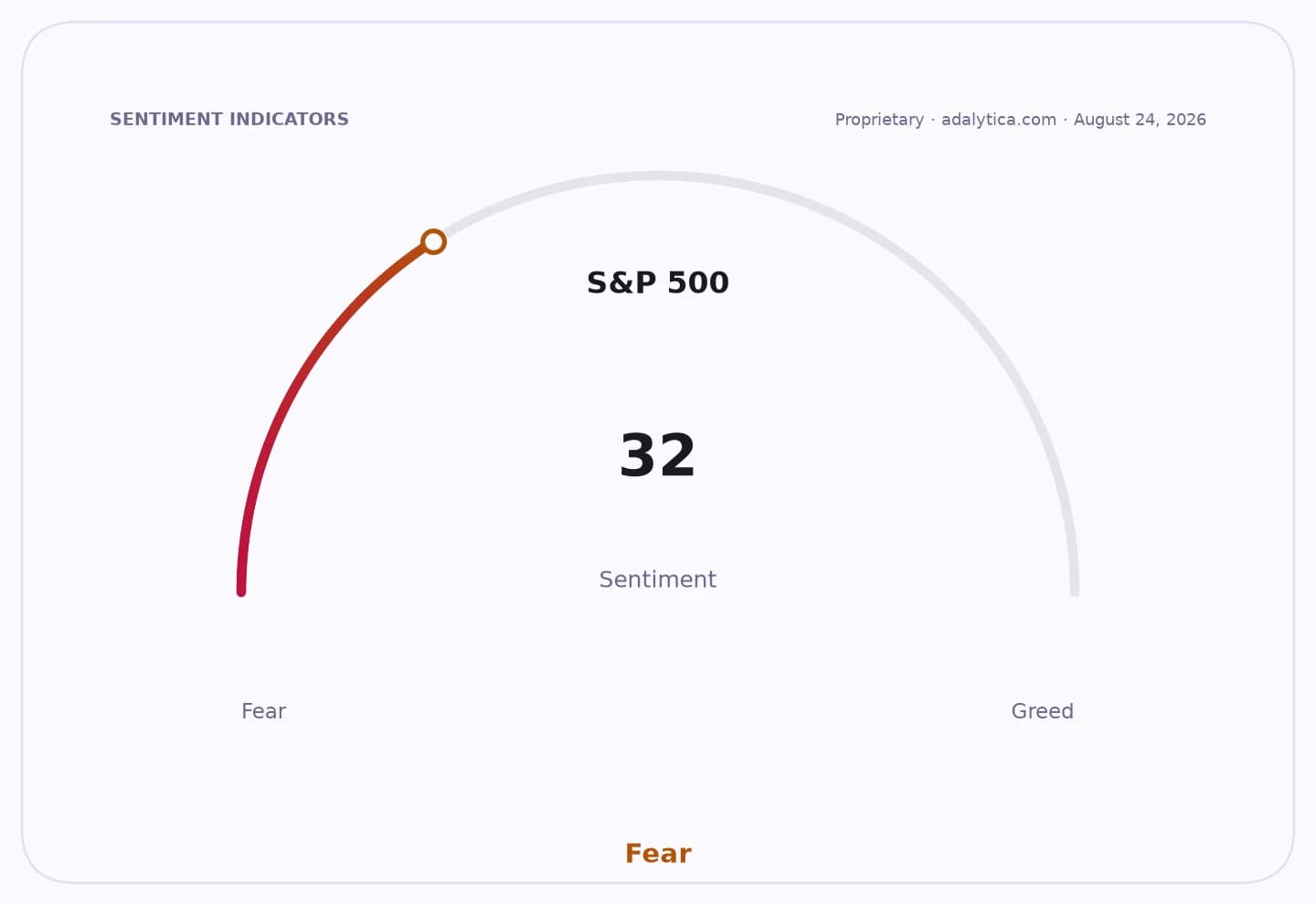
Sentiment IndicatorsⓘProprietary · adalytica.com · August 24, 2026
This is a snapshot — live sentiment, awareness and momentum for 130+ markets update continuously in the dashboard.Open AlphaPulse
That backdrop matters because tariff headlines can quickly ripple through rates, currencies and megacap earnings expectations. President Donald Trump’s move to pause planned 50% tariffs on Canadian goods eased one source of pressure, but the broader trade fight still threatens to lift input costs and complicate supply chains for industrials, retailers and chipmakers with cross-border exposure.
Nvidia was in focus after a volatile week in which the stock has stayed well above its 50-day moving average at $207.58 and its 200-day average at $195.12, but below the recent upper Bollinger Band near $235.92. The shares closed at $214.72 on Friday’s latest reading, after hitting $217.56 on Aug. 19, keeping the world’s most valuable chip company near the center of any market move tied to AI spending, export controls or tariff risk.
The Nasdaq-100 proxy QQQ was more resilient, closing at $713.44 and hovering almost exactly on its 50-day moving average of $713.35, while SPY finished at $765.72, above both its 50-day average of $751.56 and 200-day average of $704.98. That leaves the broader market in a constructive but cautious posture, with Adalytica’s S&P 500 trade signals showing neutral sentiment at 32 and awareness still elevated at 70.
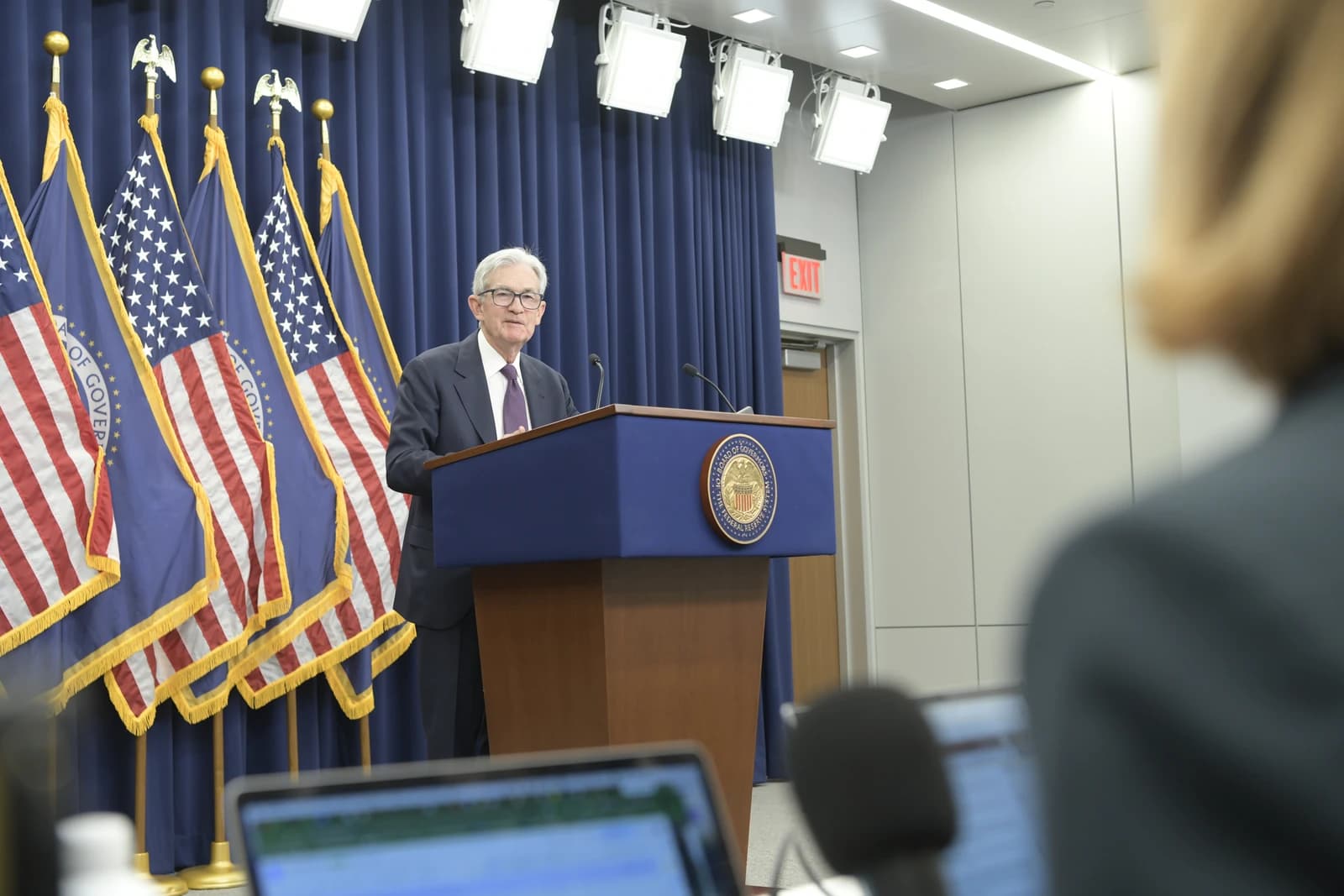
Warsh’s renewed place in the Fed conversation adds another layer for investors because any change in the chair could shift how aggressively the central bank responds to inflation, growth and tariff-driven price pressures. A more hawkish or more politically pliant Fed would matter immediately for long-duration growth stocks, Treasury yields and the dollar, especially with the greenback already showing extreme fear in Adalytica’s trade signals.
For now, the market’s message is that investors are still buying the AI and large-cap growth story, but they are not pricing away policy risk. The next moves in futures will likely hinge on whether tariff rhetoric escalates again, whether Nvidia-related optimism holds, and whether Fed speculation starts to move from background noise into a direct rates trade.
| Entity | Gains | Losses |
|---|---|---|
| Nvidia bulls | ▲AI demand momentum | ▼Tariff and policy headlines |
| Broad equity holders | ▲Stable yields and contained credit stress | ▼Trade-policy volatility |
| Treasury bulls | ▲Slower-growth expectations | ▼Inflation fears from tariffs |
| Importers/Canadian exporters | ▲Tariff pause relief | ▼Unresolved trade uncertainty |