Nvidia and Tesla are both moving in ways that expose a basic flaw in gamma exposure, or GEX, models: single-stock options can overwhelm the assumptions that work better on broad indexes.
Nvidia and Tesla show limits of GEX models

That matters because GEX frameworks are built to estimate how dealer hedging dampens or amplifies price moves, but the biggest names in the market now trade with so much concentrated options flow that the hedge response can flip quickly and produce outsized swings. For investors, that means the usual “positive gamma equals lower volatility” rule of thumb can fail when retail and institutional positioning pile into just a few AI and EV leaders.
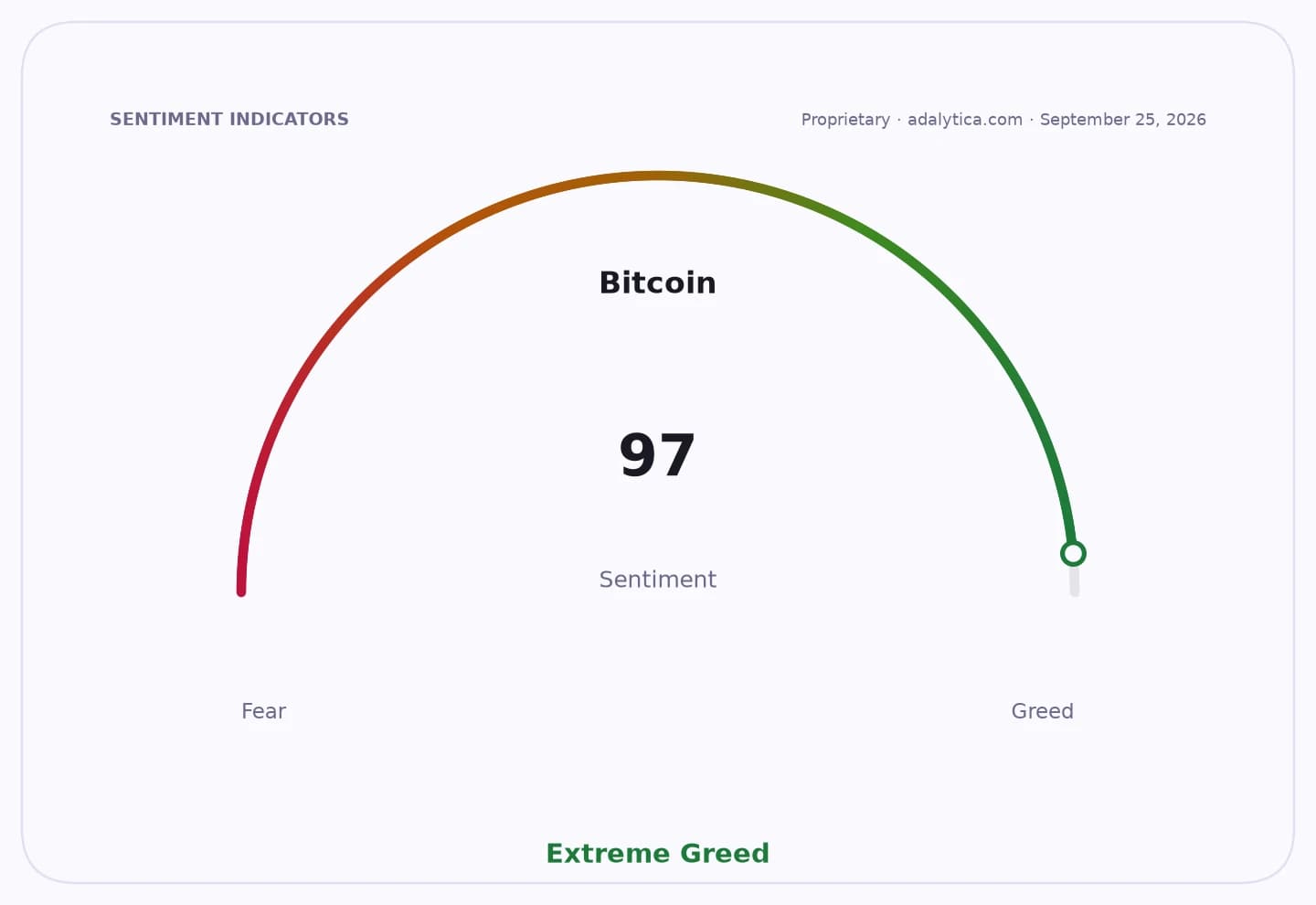
Sentiment IndicatorsⓘProprietary · adalytica.com · August 24, 2026
This is a snapshot — live sentiment, awareness and momentum for 130+ markets update continuously in the dashboard.Open AlphaPulse
Nvidia’s stock has been especially erratic. It slid to $170.07 on Sept. 17, then rebounded to $223.96 on Aug. 7 before easing to $214.72 on Aug. 21, with volume still running near 99 million shares on the latest session. The 50-day moving average sits at $207.58, while the RSI has fallen from overbought territory to 59.5, showing how quickly momentum can reset even after a sharp run.
Tesla is showing the same problem from a much higher volatility base. The stock jumped to $489.88 in December, then sank to $345.13 on Aug. 20 before rebounding to $362.86 on Aug. 21, with nearly 59.0 million shares changing hands. Its RSI remains elevated at 72.7 even after the pullback, a sign that options-driven positioning is still distorting the tape.
The stakes are biggest for market makers and the traders who use dealer positioning to forecast “pinning” or trend breaks. In names like Nvidia and Tesla, large open interest, weekly expiries and repeated re-hedging can create feedback loops that overpower index-level relationships, making stock-specific price action less predictable than SPY or other broad benchmarks.
That divergence is showing up in sentiment gauges too. Adalytica’s Tesla earnings sentiment reads 93, or “Extreme Greed,” while Nvidia’s sits at 64, a “Neutral” reading, underscoring how quickly trader positioning can become crowded in individual names even as the S&P 500 remains more balanced.
For investors, the message is not to abandon options models, but to treat them as less reliable in the most heavily traded single stocks, where gamma can change fast and volatility can expand without warning. The next catalyst is the flow around upcoming expiries and any fresh earnings or AI-related headlines that can force another dealer hedge reset.
| Entity | Gains | Losses |
|---|---|---|
| Options traders in NVDA/TSLA | ▲Fast moves, bigger convexity | ▼Stable “pinning” assumptions |
| Market makers | ▲Bid/ask spread opportunities | ▼Predictable hedge behavior |
| Long volatility investors | ▲Sharp breakouts and resets | ▼Low-volatility regimes |
| Index-level GEX models | ▲Usefulness in broad ETFs | ▼Accuracy in single stocks |