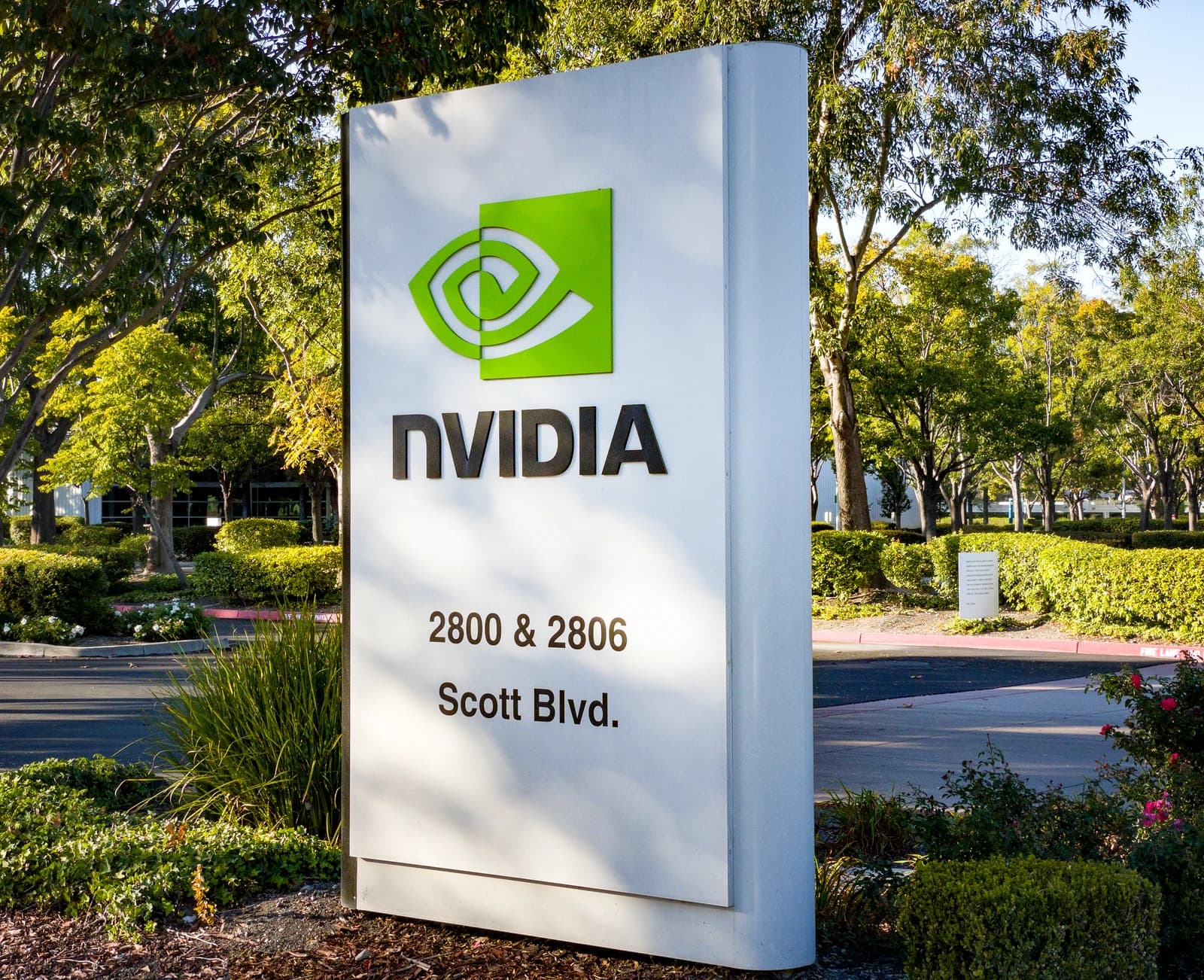
U.S. stock futures were little changed as investors weighed a hotter-than-expected Anthropic IPO against a fresh drop in Nvidia and heavy selling in UnitedHealth, underscoring how the market’s leadership is splitting between AI enthusiasm and growing pressure on mega-cap defensives.
Nvidia, UnitedHealth drag U.S. stock futures
The balance matters because the rally that has powered major indexes for much of the year depends on a narrow group of giants. When one of the most important AI beneficiaries loses almost 4% in a session, while a headline-grabbing private-market AI name prices an offering above range, it highlights both the durability of demand for artificial intelligence and the market’s growing sensitivity to valuation and execution risk.
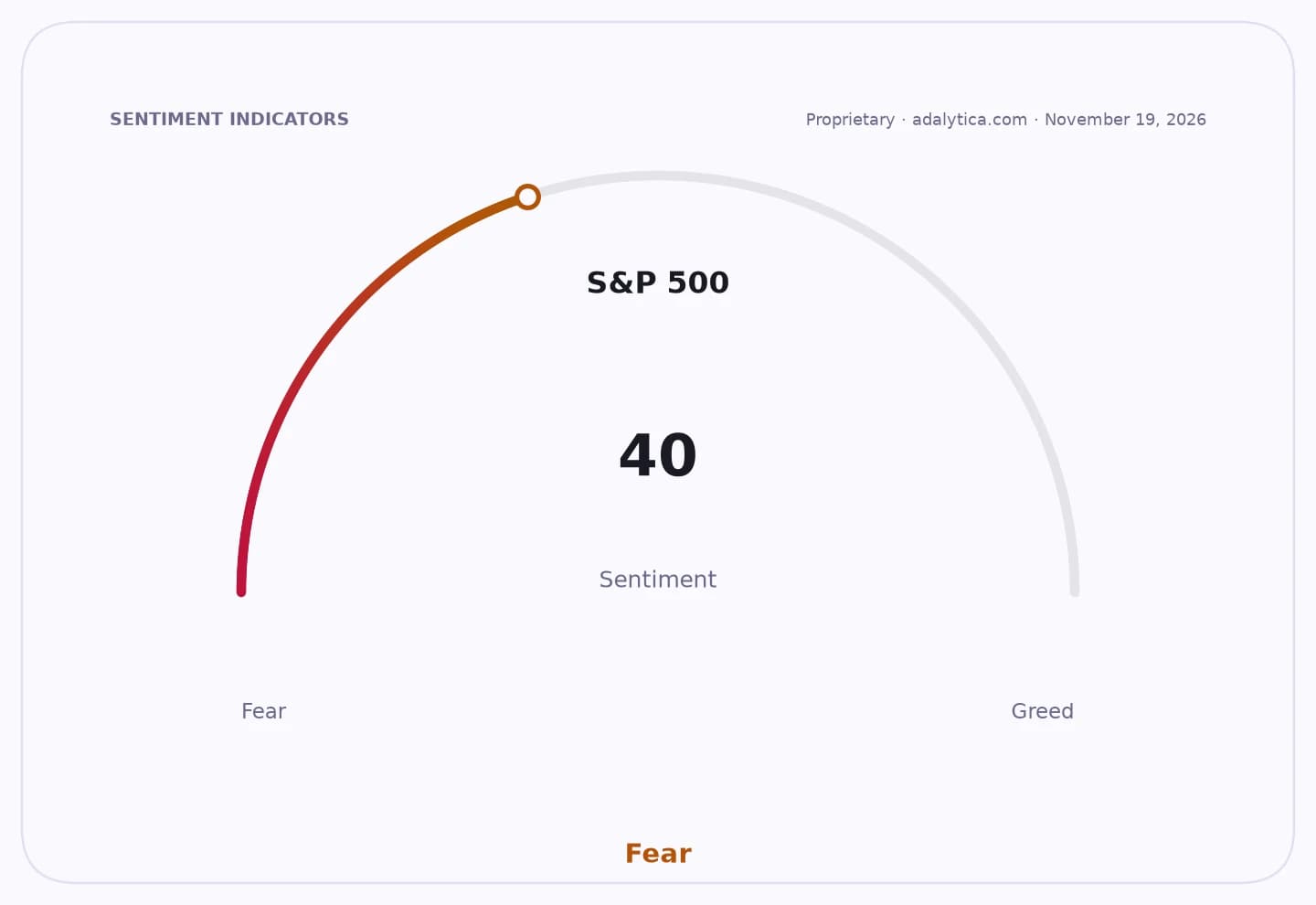
Sentiment Indicators
Anthropic’s IPO pricing above expectations is a reminder that investors remain willing to pay up for AI exposure, especially where growth is still being repriced in real time. That has helped sustain the broader narrative around compute, cloud, chips and enterprise software. But it also raises the stakes for public-market peers such as Nvidia, whose shares have been under pressure even as the company remains central to the AI buildout. Nvidia closed at $150.96 on Wednesday after a volatile stretch that left it well below its 50-day moving average of $210.30 and its 200-day average of $203.45, with the stock’s relative strength index deep in oversold territory. The technical damage reflects not just a normal pullback, but a market asking whether AI spending can keep justifying stretched expectations in the near term.
That tension is visible across the index complex. The Dow fell and the S&P 500 slid in the prior session, while Adalytica’s S&P 500 trade signals gauge showed sentiment dropping to 20, labeled “Fear,” from 68 the day before. The same snapshot put awareness at 25, suggesting traders have become more defensive even as the underlying market trend remains constructive over a longer horizon. In practice, that leaves futures vulnerable to sharp sector rotations rather than a clean broad-based move.
S&P 500
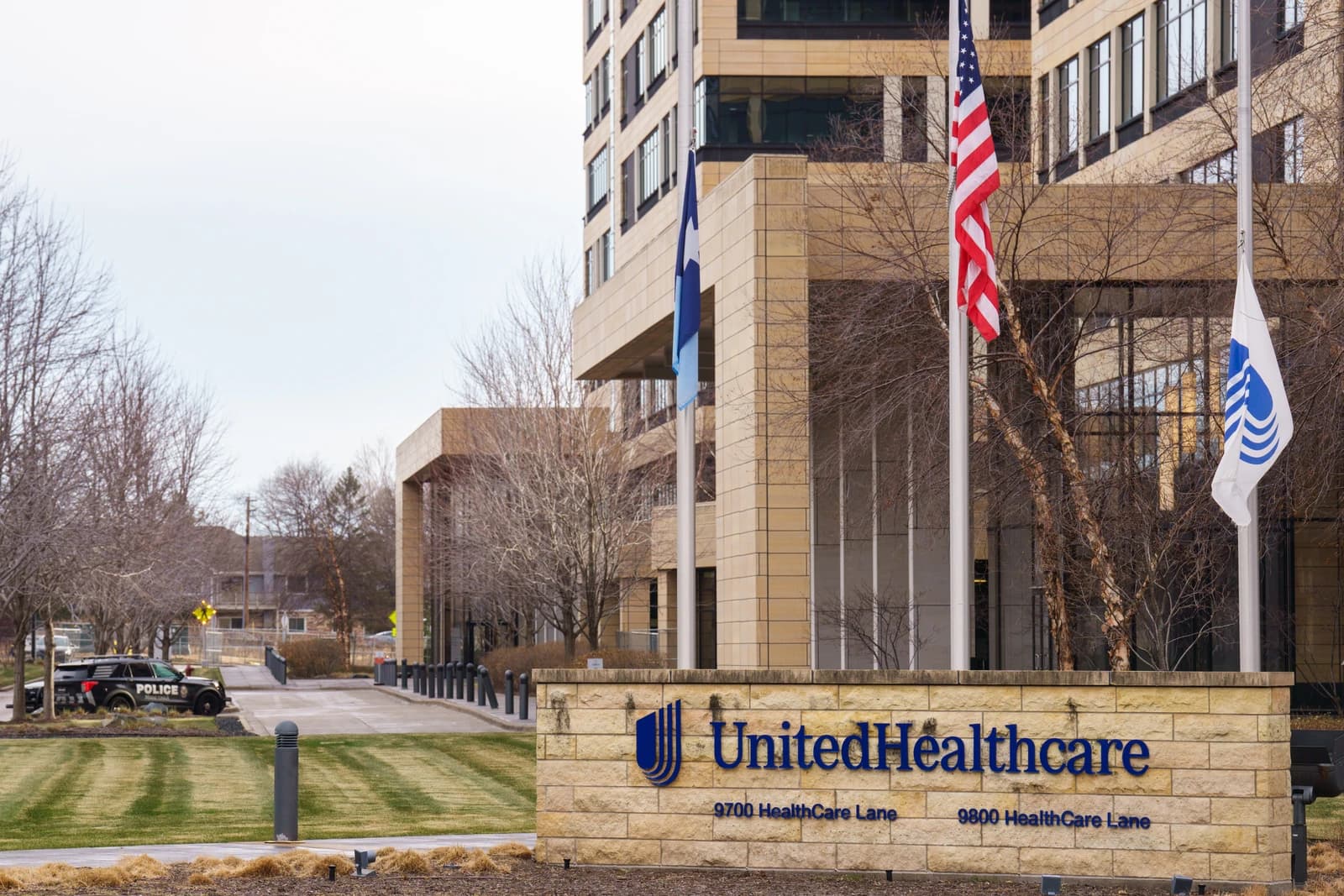
The biggest single drag on Wednesday was UnitedHealth. The stock dropped to $349.91, more than 15% below its 50-day moving average and well under its recent highs, after a sharp earnings-driven repricing. Because UnitedHealth is one of the market’s most influential defensive stocks, its decline matters beyond the healthcare sector: it can pressure the Dow, weaken sentiment around managed care and remind investors that even perceived safety can become a source of index volatility. The company’s latest quarter also comes against a backdrop of continued funding pressure in Medicare Advantage and rising medical cost trends, issues that have been weighing on the group more broadly.
Target offered a counterweight. Shares rose to $165.93, extending a rebound from earlier weakness and showing that consumers remain selective rather than uniformly weak. The move is important because retail demand has become one of the clearest tests of the U.S. economy’s resilience. While Adalytica’s consumer spending sentiment gauge remains at 7, tagged “Extreme Fear,” the stock reaction suggests investors are still rewarding companies that can protect margins, manage inventory and capture value-focused shoppers. That dynamic helps explain why some retailers can rally even as the macro picture remains mixed.
Palo Alto Networks also jumped in late trade after earnings, reinforcing the view that cybersecurity remains a durable spending category even in a more cautious corporate budget environment. Everpure also rallied, adding to a tone that rewards companies showing execution in sectors tied to digital infrastructure, security and essential services.
| Entity | Gains | Losses |
|---|---|---|
| Anthropic | ▲IPO demand and pricing power | ▼Private-market discount |
| Nvidia | ▲AI capex remains a tailwind | ▼Valuation reset, weaker momentum |
| Target | ▲Defensive retail rotation | ▼Consumers still cautious |
| UnitedHealth | ▲None from the move | ▼Index weight, sentiment, healthcare bulls |