New Zealand’s real wage growth has ranked among the worst in the world, according to an OECD report, sharpening concerns that inflation has left households poorer even as the government looks to trade deals to lift the economy.
Weak Real Wages Threaten New Zealand Growth

The finding matters because weak inflation-adjusted pay is not just a household hardship story. It points to a demand problem for an economy dependent on consumer spending, housing activity and services, while also raising questions about productivity and the country’s ability to retain skilled workers. If pay packets fail to recover in real terms, spending growth becomes harder to sustain without borrowing, migration pressures increase and political pressure builds on fiscal and monetary policymakers.
Sentiment Indicators
The OECD assessment lands as New Zealand tries to rebuild growth through external demand. The government has highlighted a free-trade agreement with India, giving exporters better access to a market of about 1.4 billion people, as part of a strategy to diversify beyond traditional trade partners and support sectors such as agriculture. But the wage data underline a harder domestic reality: export access may improve national income over time, yet households are still absorbing the hit from past inflation.
Markets have so far treated the wage-growth story as a slow-burn macro risk rather than a shock. The New Zealand dollar was around 58 U.S. cents in the latest data, close to both its 50-day and 200-day moving averages, suggesting little immediate currency repricing. Against the yen, the kiwi traded near 93.16, above its 200-day moving average but only marginally above the 50-day average. The iShares MSCI New Zealand ETF rose to $46.37 on July 10 from $45.01 two sessions earlier, trading above its 50-day and 200-day moving averages, even as domestic income weakness clouds the outlook for consumer-facing companies.
Wage Inflation Sentiment vs NZDUSD=Xadalytica.com
Explore this data interactively — full history, time series and cross-market comparisons.
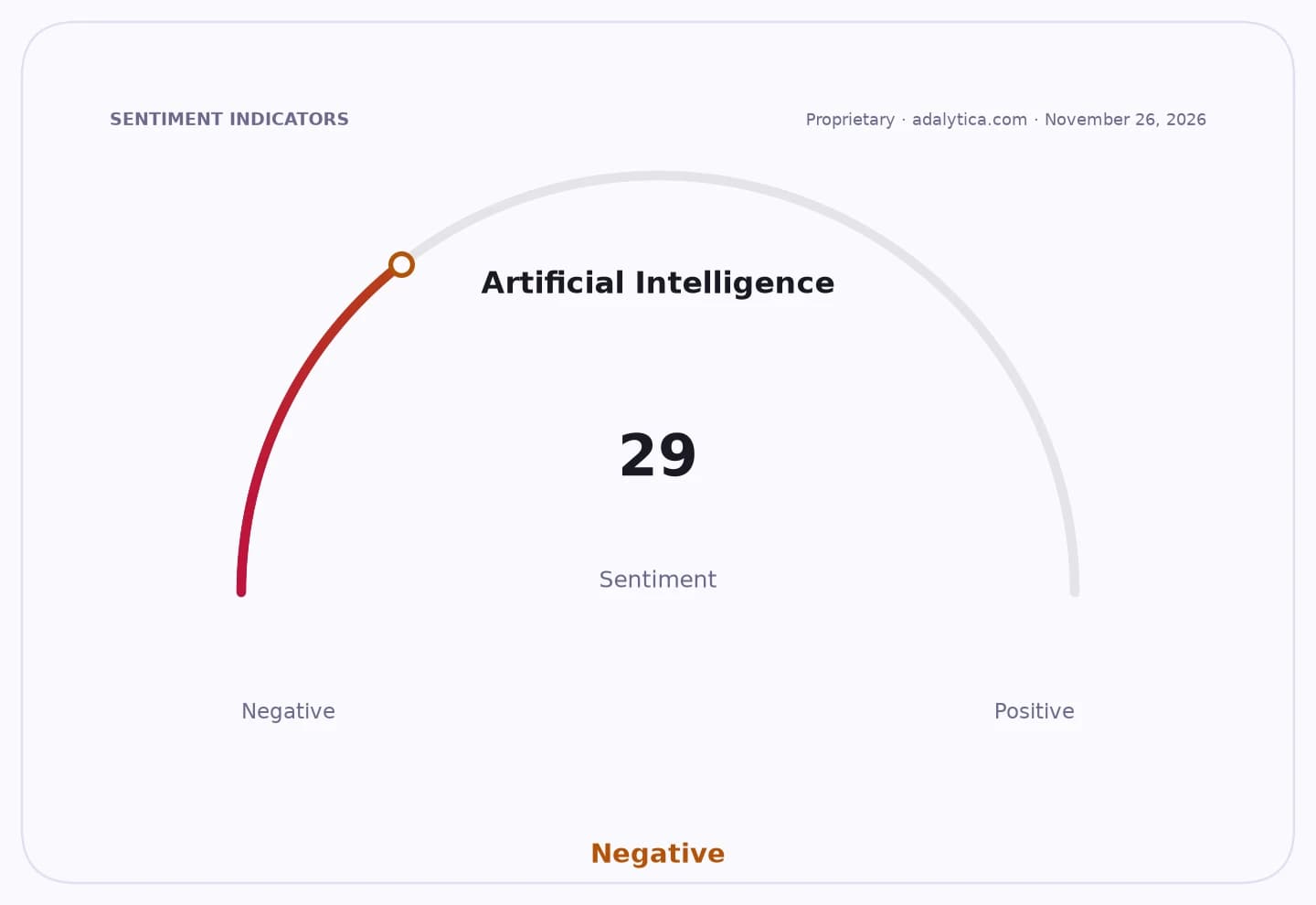
For the Reserve Bank of New Zealand, poor real wage growth cuts both ways. Softer pay pressure can help restrain inflation, supporting the case for easier policy if price growth continues to cool. But if wages are weak because productivity and bargaining power are weak, rate cuts alone may not repair household balance sheets or lift long-term growth. Adalytica.com’s proprietary wage-inflation sentiment gauge fell to 48 from 63 in one day, while awareness remained low, signaling that investor attention to the wage issue is still limited despite the economic stakes.
The political risk is that New Zealand’s trade ambitions outpace voters’ lived experience. Exporters may benefit from new market access, particularly in food and agriculture, but households facing falling real incomes are less likely to feel the gains quickly. That gap could shape policy debates over tax, welfare, migration, skills investment and wage-setting.
The next test is whether trade expansion and any easing in inflation translate into stronger real incomes. Without a sustained recovery in purchasing power, New Zealand’s growth story will remain vulnerable: outward-looking on paper, but constrained by weak pay at home.
| Entity | Gains | Losses |
|---|---|---|
| Exporters | ▲India market access | ▼Weak domestic demand |
| Households | ▲Lower inflation relief | ▼Lost purchasing power |
| RBNZ doves | ▲Softer wage pressure | ▼Growth credibility |
| NZD investors | ▲Stable near averages | ▼Real-income drag |