Oman’s central bank has allocated 6 million rials in 91-day treasury bills this week, a small but important move that reinforces short-term liquidity management and gives local banks a government-backed place to park cash at a 4.19479% average yield.
Oman central bank allocates 6 million rials in bills
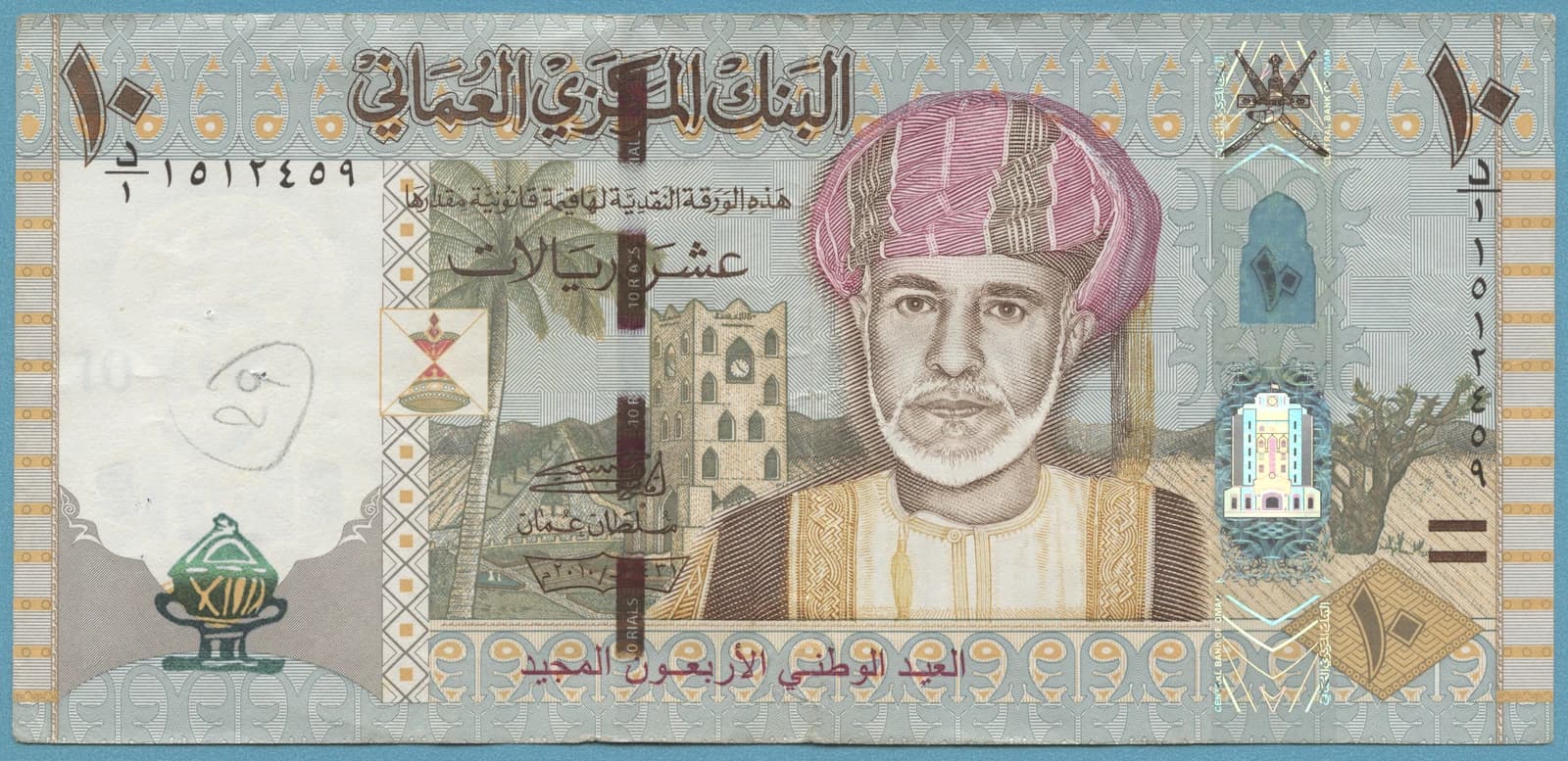
The issue was priced at an average accepted rate of 98.965 rials per 100 rials of face value, with the same figure set as the lowest accepted price, according to Oman News Agency. The average discount rate came to 4.15137%, while the central bank’s repo rate on these bills stands at 4.50% and its discount rate for treasury bill facilities at 5.00%.
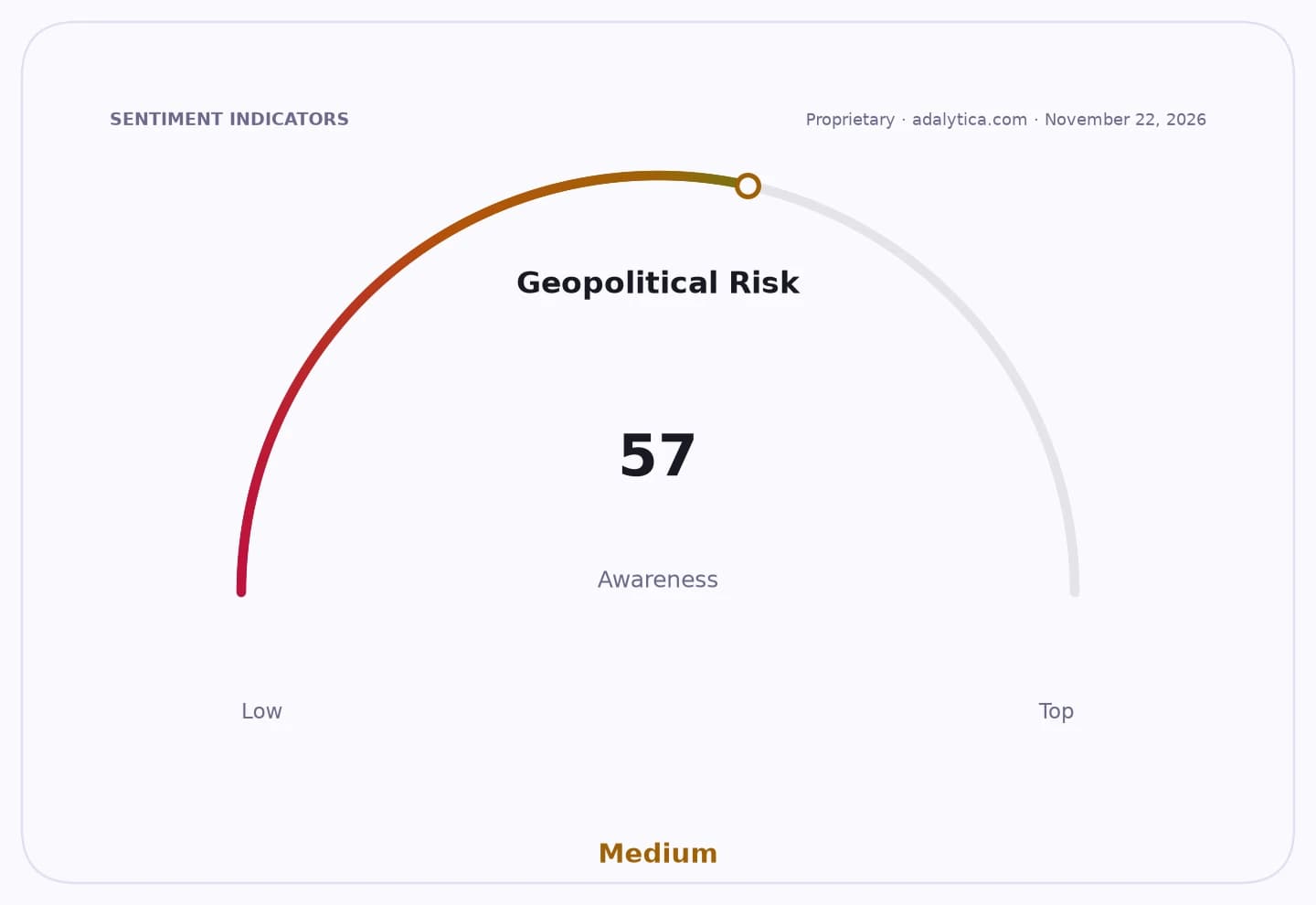
Sentiment Indicators

For Oman’s banking system, the auction matters because treasury bills are a core short-term funding tool and a benchmark for local money-market pricing. They allow commercial banks to place surplus liquidity in a sovereign instrument that can also be quickly monetized through repo transactions with the central bank or between banks in the interbank market.
The allocation also signals that Oman is continuing to rely on routine bill issuance to smooth near-term government financing needs without turning to larger or more disruptive borrowing. In a region where liquidity conditions remain sensitive to oil prices, funding costs and cross-border capital flows, even modest bill sales help anchor short-term rates and provide a reference point for domestic lenders.
Liquidity Conditions
For investors, the key takeaway is that Oman’s short-dated sovereign curve remains active and tradable, while the spread between the bill yield and the central bank’s standing facilities suggests the authorities are still managing liquidity within a controlled corridor. That can support confidence in the riyal’s monetary framework and in the near-term funding environment for banks operating in the sultanate.
The next market cue will be whether the central bank keeps the weekly size near 6 million rials or adjusts issuance as liquidity conditions change, especially if regional funding costs or oil-market volatility shift.
| Entity | Gains | Losses |
|---|---|---|
| Omani banks | ▲Short-term yield pickup | ▼Idle cash balances |
| Government of Oman | ▲Flexible funding access | ▼Higher refinancing pressure if costs rise |
| Central Bank of Oman | ▲Liquidity control | ▼Less room if market tightens |
| Depositors/investors | ▲Sovereign-backed instrument | ▼Lower returns elsewhere |