Oracle could be set up for a sharper move in its shares when it reports on Thursday, with analysts pointing to surging demand for AI computing, tighter capacity in cloud infrastructure and a possible upside surprise in bookings and deferred revenue.
Oracle earnings watch on OCI demand and bookings
The stock has already been on a roller coaster. Oracle fell almost 43% from June through September before rebounding more than 15% since the start of the month, leaving investors positioned for a number that can either confirm the AI story or extend the selloff.
Sentiment IndicatorsⓘProprietary · adalytica.com · September 10, 2026
This is a snapshot — live sentiment, awareness and momentum for 130+ markets update continuously in the dashboard.Open AlphaPulse
The key business driver is Oracle Cloud Infrastructure, where Morgan Stanley’s Sanjit Singh sees August-quarter revenue growth of about 63% from a year earlier, near the top end of management’s 58% to 65% target range. That would matter because Oracle’s cloud unit is increasingly tied to AI workloads, and pricing power in that market is improving as demand for compute outstrips available capacity.
The backdrop has been supportive for suppliers. CoreWeave and Nebius Group have recently commented positively on pricing in AI infrastructure, reinforcing the idea that scarce GPU capacity is allowing cloud providers to charge more for high-performance compute. Oracle has been leaning into that trend by renting out graphics processing power through its cloud, putting it directly in the path of enterprise AI spending.
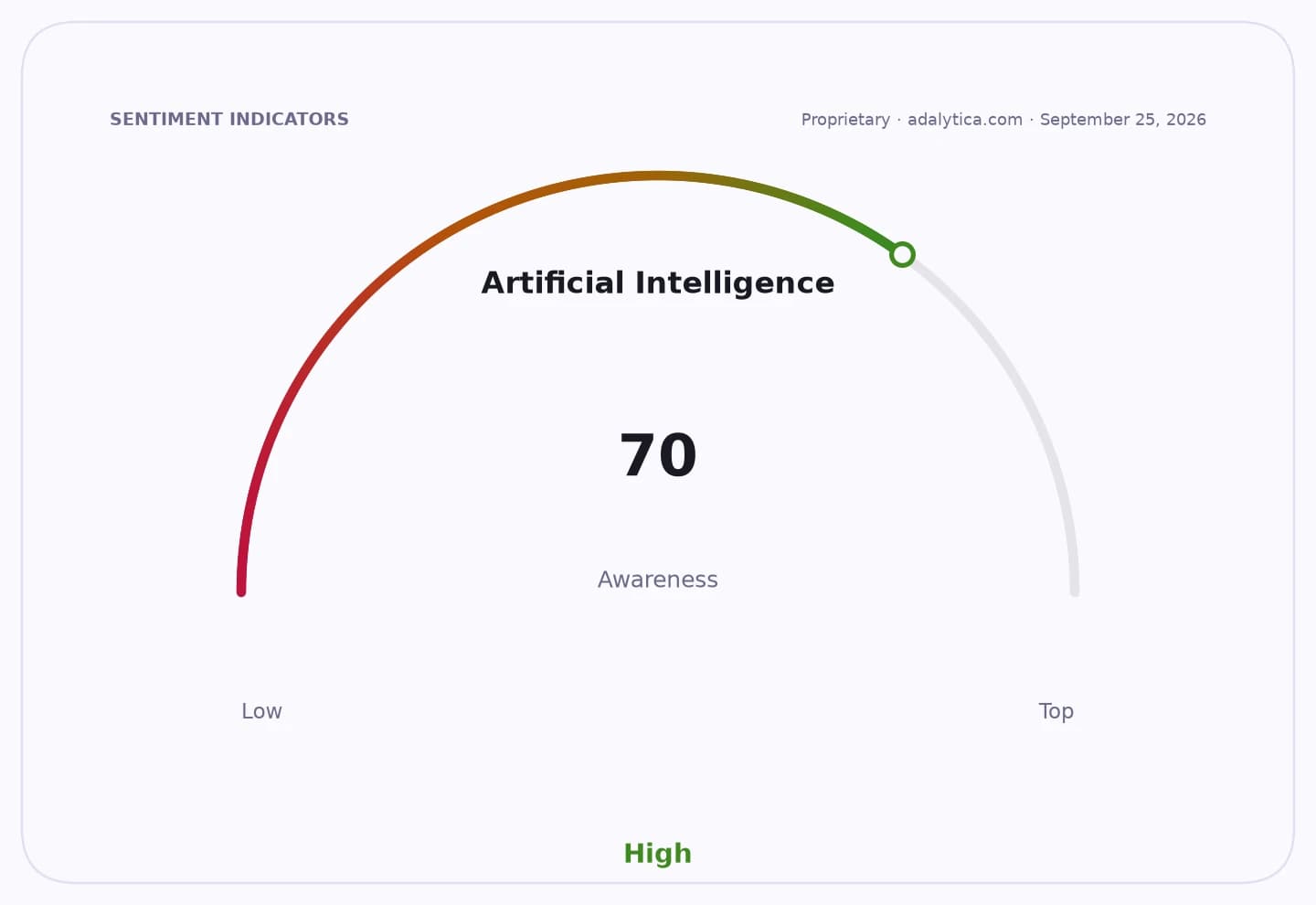
Artificial Intelligence vs ORCLadalytica.com
Explore this data interactively — full history, time series and cross-market comparisons.Open AlphaPulse
Investors will also be watching for signs that revenue growth is stronger than the headline cloud number suggests. Analyst Sanjit Singh pointed to deferred revenue in Oracle’s cloud applications business growing faster than reported sales for two straight quarters, a setup that could translate into a catch-up boost in future results.
Piper Sandler’s Billy Fitzsimmons said there is also room for upside in software bookings, with NetSuite’s enterprise resource planning demand accelerating late in the fiscal fourth quarter and Cerner, Oracle’s electronic health records business, returning to growth. Together, those units could cushion the stock if cloud growth comes in only in line with expectations rather than above them.
Oracle’s own filings underline why the market is focused on AI: the company says AI technologies embedded in its cloud are meant to improve customer workflows and automation, while broader enterprise demand for agentic AI talent has surged 260%, a sign that companies are still building the teams needed to deploy those systems at scale.
For investors, the read-through is simple: a strong report could reset expectations for Oracle’s margin mix, backlog and valuation after months of volatility, while a miss would likely revive concerns that AI demand is not converting fast enough into reported revenue. The next catalyst is Thursday’s earnings release, where commentary on OCI pricing, capacity and backlog will matter as much as the numbers themselves.
| Entity | Gains | Losses |
|---|---|---|
| Oracle | ▲AI cloud pricing power | ▼Short-term skepticism |
| OCI customers | ▲Access to compute capacity | ▼Lower bargaining power |
| AI infrastructure peers | ▲Stronger pricing environment | ▼None if demand stays tight |
| Short sellers | ▲Volatility to trade | ▼A positive earnings surprise |