Pakistan’s decision to sever formal trade ties with India after the 2019 Pulwama attack has cost the economy an estimated $40 billion, underscoring how geopolitics can quickly become an expensive tax on growth, industry and consumer prices.
Pakistan trade ban with India costs $40 billion
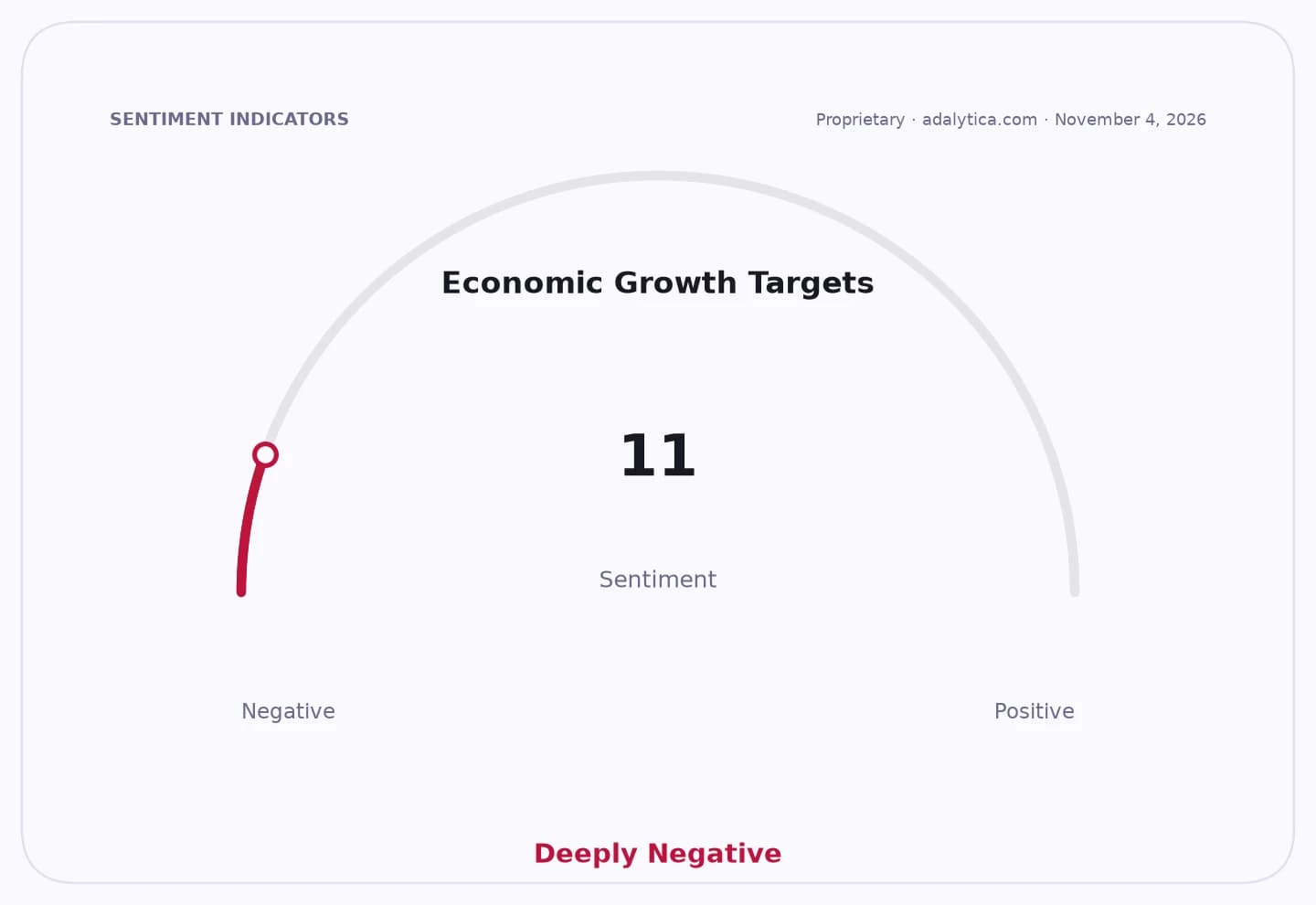
That is the key takeaway from remarks by Noor Muhammad Khursi, chairman of the Pak-India Business Council, who said Pakistan has been forced to source raw materials and basic goods from faraway markets at much higher freight and procurement costs. In rupee terms, the damage amounts to more than 3.3 lakh crore, a staggering sum for an economy already wrestling with a fragile external position, high import bills and weak industrial momentum.
The pain is most visible in pharmaceuticals and textiles, two sectors that rely heavily on low-cost inputs and efficient logistics. Khursi said reopening Indian imports could save Pakistan about $3 billion a year in pharmaceutical costs alone, while the textile industry has absorbed an additional $5 billion burden as it scrambles for cotton from Brazil, Egypt, China and the United States. That matters because textiles are Pakistan’s export backbone and pharmaceuticals are a consumer-essential industry where higher input costs eventually flow through to shortages, prices and margins.
The broader economic logic is hard to ignore. India sits next door, with dense trade routes and a manufacturing base that can supply sugar, fertilizer, cement, petroleum products, steel and vegetables more cheaply than distant exporters. When that channel is closed, Pakistan does not eliminate demand — it simply reroutes it through costlier and slower channels. That is why even a formal ban has not stopped Indian goods from finding their way into Pakistan through informal routes, with reports citing a 69% surge in Indian imports despite the restrictions. The market is telling policymakers what politics is refusing to admit: proximity still beats ideology when supply chains are at stake.
For investors, the implication is not just about Pakistan’s loss. It is about who benefits when a major trade corridor stays frozen. Domestic Pakistani industries tied to imported inputs remain exposed to higher costs, weaker margins and greater supply-chain volatility. By contrast, any credible move toward normalization would be bullish for logistics, ports, industrial input suppliers and consumer-facing sectors on both sides of the border. It would also relieve pressure on Pakistan’s current account and improve the economics of industrial production, which is a prerequisite for any sustained recovery in earnings.
There is a wider regional read-through as well. Khursi invoked Sri Lanka’s crisis-era reliance on India as an example of how neighbors can provide economic relief when political conditions allow. That is the investable lesson here: in South Asia, trade normalization can be a powerful macro catalyst, and its absence is a hidden drag on growth that the market often underprices until the bill comes due. If Islamabad ever moves from rhetoric to reopening formal commerce, the beneficiaries will be the companies that move goods, convert raw materials into exports and control the lowest-cost supply chains.
For now, the headline risk remains political, but the economic arithmetic is clear. Pakistan has already paid dearly for the ban, and the longer it lasts, the more it reinforces a costly rerouting of trade that no amount of rhetoric can fully replace. Investors should watch any sign of thaw closely — because the upside from reopening would likely show up first in margins, freight costs and industrial activity, not in official statements.
| Entity | Gains | Losses |
|---|---|---|
| Pakistan importers | ▲cheaper sourcing if trade resumes | ▼higher freight and input costs |
| Pakistani textiles & pharma | ▲lower raw-material costs | ▼margin pressure, supply strain |
| Indian exporters | ▲renewed market access | ▼lost sales while ban persists |
| Regional logistics/shipping | ▲higher cross-border volumes | ▼weak trade flows under ban |