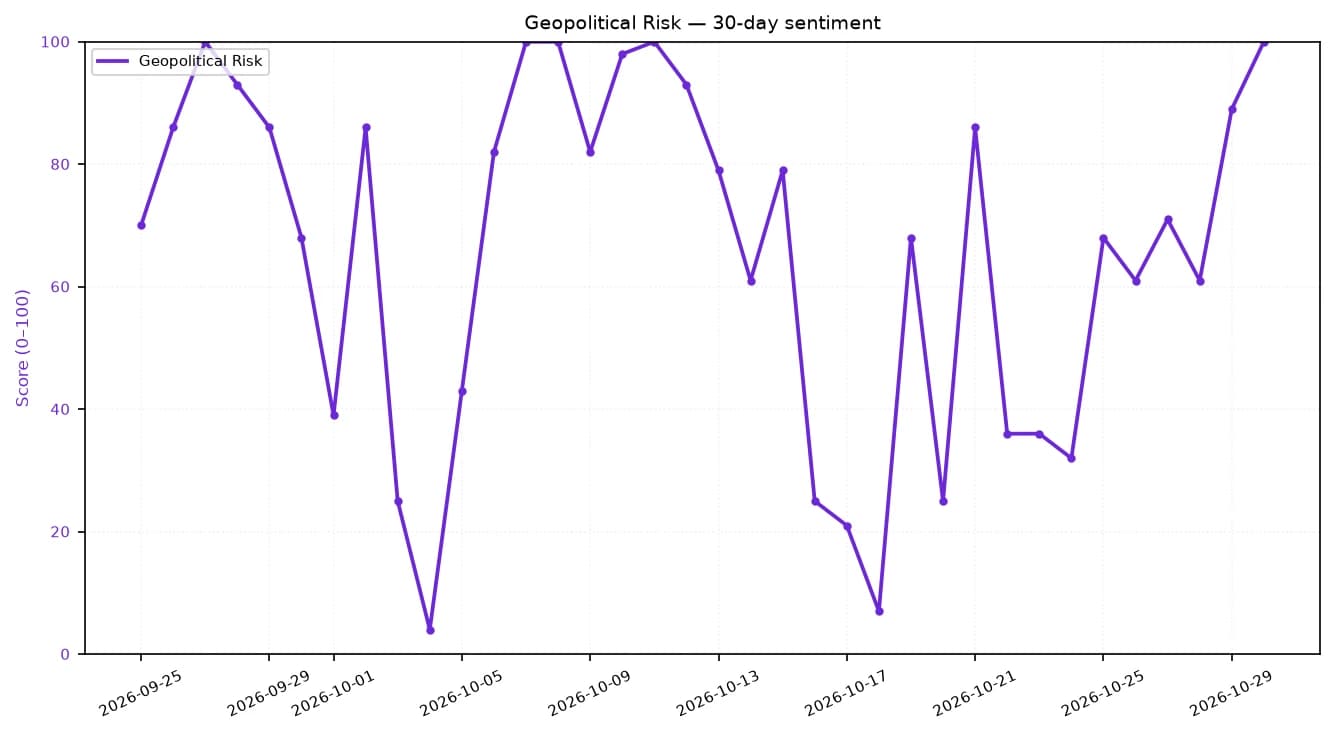
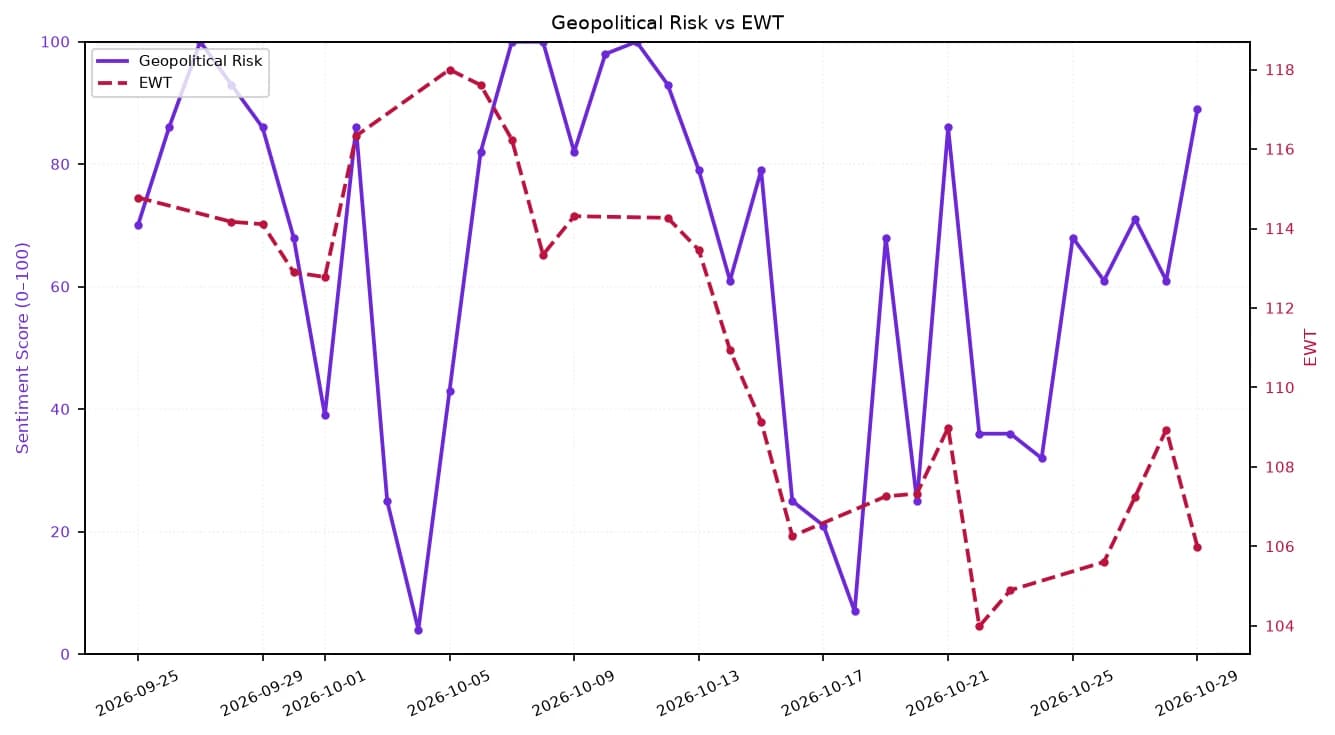
India’s blunt attack on Pakistan at the United Nations is a reminder that South Asia’s diplomatic feud is not fading into the background — and that investors still have to price in the possibility of periodic escalation across the world’s most dangerous nuclear flashpoint.
India-Pakistan UN spat lifts defense risk focus
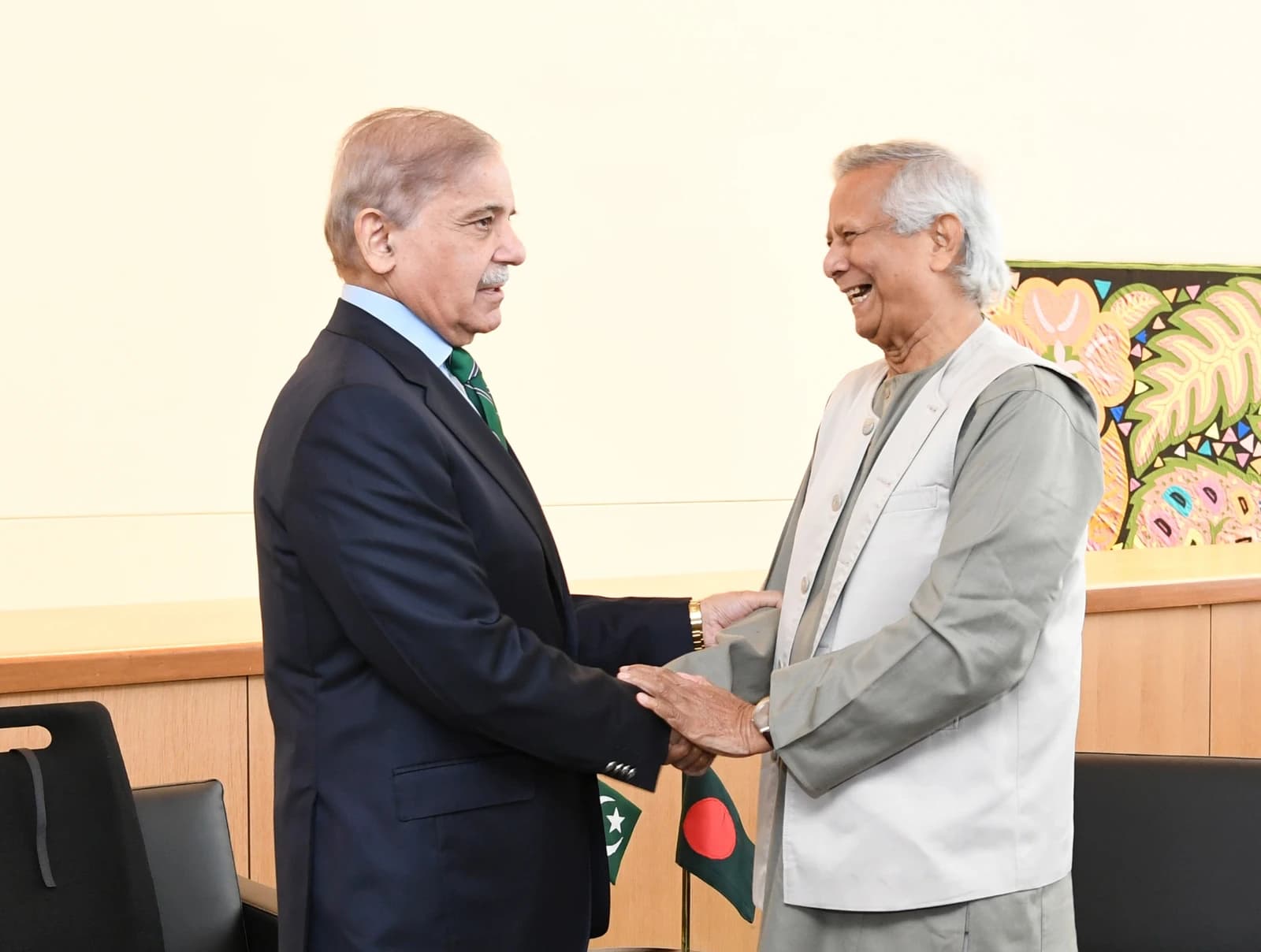
New Delhi used a UN discussion on religious freedom and belief to accuse Pakistan of hypocrisy, citing alleged persecution of minorities, forced conversions and terrorist funerals, while saying a country that cannot protect its own minorities has no standing to lecture India. The message was political, but the market implication is broader: when India and Pakistan trade this kind of public salvo, defense spending, border vigilance and regional risk aversion tend to stay elevated, even if markets do not immediately reprice on a single speech.
That matters because geopolitical friction in South Asia can spill into trade flows, cross-border investment sentiment and currency stability, while also reinforcing a longer-term bid for defense modernization on both sides of the border. India has spent years trying to present itself as the more credible regional power in global forums; this latest intervention fits that pattern, but it also keeps the Pakistan issue alive in multilateral venues at a time when tensions are already running high.
For investors, the more actionable takeaway is that persistent friction supports the secular case for India’s defense ecosystem, cyber security, satellite surveillance and military electronics, while leaving Pakistan more vulnerable to capital-flight risk and policy distraction. It also helps explain why India-focused vehicles can keep attracting strategic inflows even when headline diplomacy turns noisy: the market is betting on India’s relative economic resilience, not on regional calm.
That said, the signal for positioning is not to chase a single headline. The deeper story is that every renewed exchange between India and Pakistan strengthens the argument for owning the companies and funds tied to defense preparedness, domestic security and resilient infrastructure in India — areas where geopolitical uncertainty can become a multi-year tailwind rather than a short-lived headline trade.
| Entity | Gains | Losses |
|---|---|---|
| Indian defense contractors | ▲Higher budget urgency | ▼Less peace dividend |
| India-focused funds | ▲Relative safe-haven demand | ▼Short-term volatility |
| Pakistan policymakers | ▲Domestic political signaling | ▼Credibility at UN |
| Border-sensitive sectors | ▲Security spending tailwind | ▼Escalation risk |