A bipartisan group of US lawmakers traveling to India this week is set to raise democracy, free speech and minority-rights concerns in private meetings, adding a political test to one of Washington’s most important strategic partnerships.
US Lawmakers to Raise Rights Concerns in India
The delegation, led by Representatives Ro Khanna, a California Democrat, and Michael Waltz, a Florida Republican, comes as the two countries deepen ties on security, technology and business. But the visit also underscores a recurring friction point: US politicians are increasingly willing to press New Delhi on human-rights and institutional concerns even as both governments seek closer alignment against China.
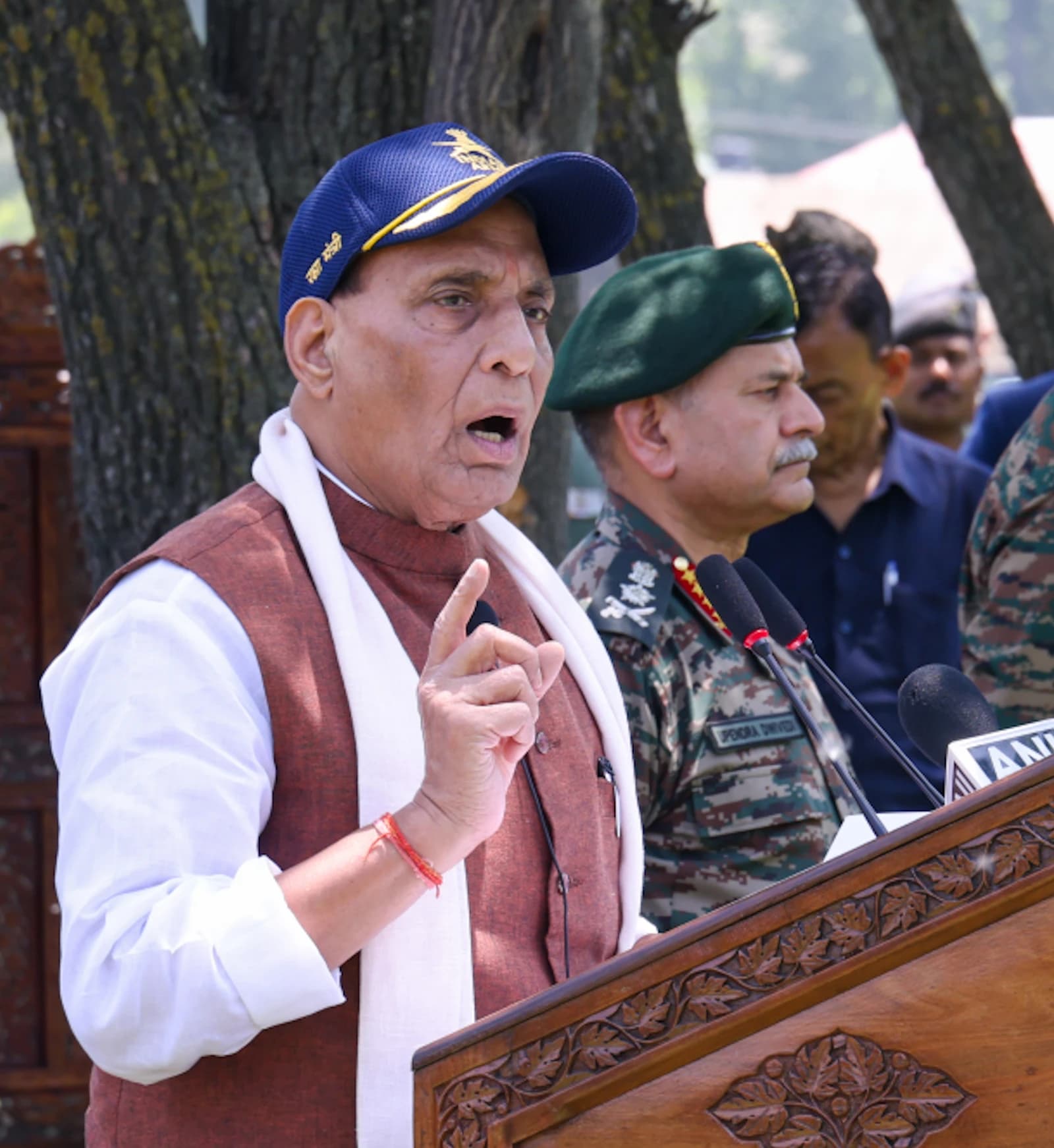
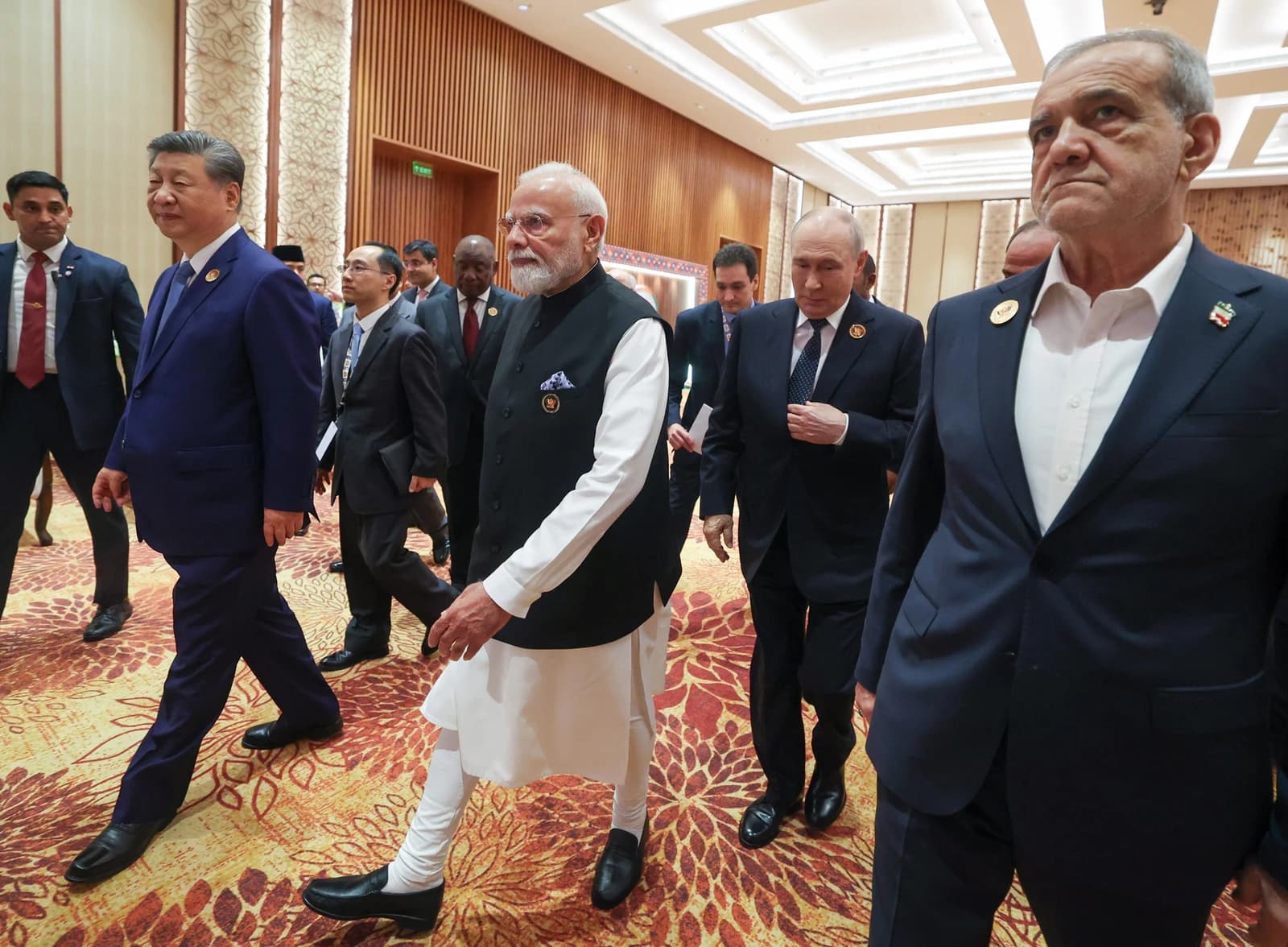
The lawmakers are due to attend Prime Minister Narendra Modi’s Aug. 15 speech at the Red Fort, visit Raj Ghat and meet officials as well as leaders in India’s tech, business and film sectors in Hyderabad and Mumbai. According to a congressional aide, they will discuss “democracy, freedom of speech, pluralism and minority rights,” issues that US officials prefer to raise in private rather than through public confrontation.
That matters because the India relationship has become central to US Indo-Pacific strategy, yet it is also vulnerable to criticism from Democrats and some Republicans over civil liberties, opposition politics and religious tensions. A public rupture is unlikely, but the fact that lawmakers are carrying those concerns into high-level meetings signals that rights issues remain part of the bilateral agenda, not a side note.
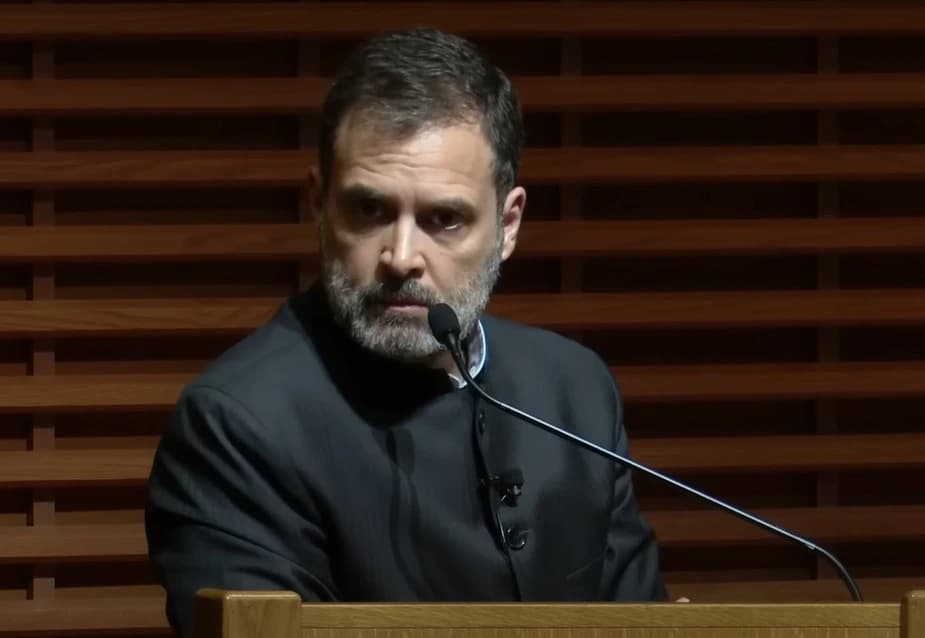
Khanna’s role is especially notable. The Indian-American lawmaker has been vocal in criticizing Modi’s government, including after opposition leader Rahul Gandhi was disqualified from parliament earlier this year. His participation gives the trip additional symbolic weight and suggests the delegation may seek a balance between strategic cooperation and democratic accountability.
For investors, the immediate market impact is limited, but the politics still matter. India remains a major destination for global capital, supply-chain diversification and technology investment, and any shift in US-India political tone can shape the environment for multinationals, outsourcing firms and India-focused funds such as the iShares MSCI India ETF. US-listed India proxies have been volatile, with the ETF recently trading around $46 after slipping below both its 50-day and 200-day moving averages, a sign investors are already cautious on the country’s near-term outlook.
The bigger question is whether the trip becomes a one-off diplomatic reminder or part of a more persistent congressional push on civil liberties in India. With elections approaching in several Indian states and scrutiny over voter rolls and political rights intensifying, the delegation’s message is likely to be closely watched in New Delhi — and by global investors looking for signs that India’s political risk premium is rising or stabilizing.
| Entity | Gains | Losses |
|---|---|---|
| US lawmakers | ▲Raise rights concerns | ▼Risk friction with New Delhi |
| Indian government | ▲Strategic engagement with Washington | ▼Scrutiny over democracy and minority rights |
| Global investors | ▲Clarity on political risk | ▼Higher headline volatility |
| India-focused funds/ETFs | ▲Possible long-term capital interest | ▼Short-term sentiment pressure |