Rahul Gandhi’s shift from parliamentary critic to street-level campaigner is emerging as the opposition’s most consequential political development ahead of India’s 2027 state elections, even as questions remain over whether protest energy can be turned into votes.
Rahul Gandhi Leads Election Roll Protest in India
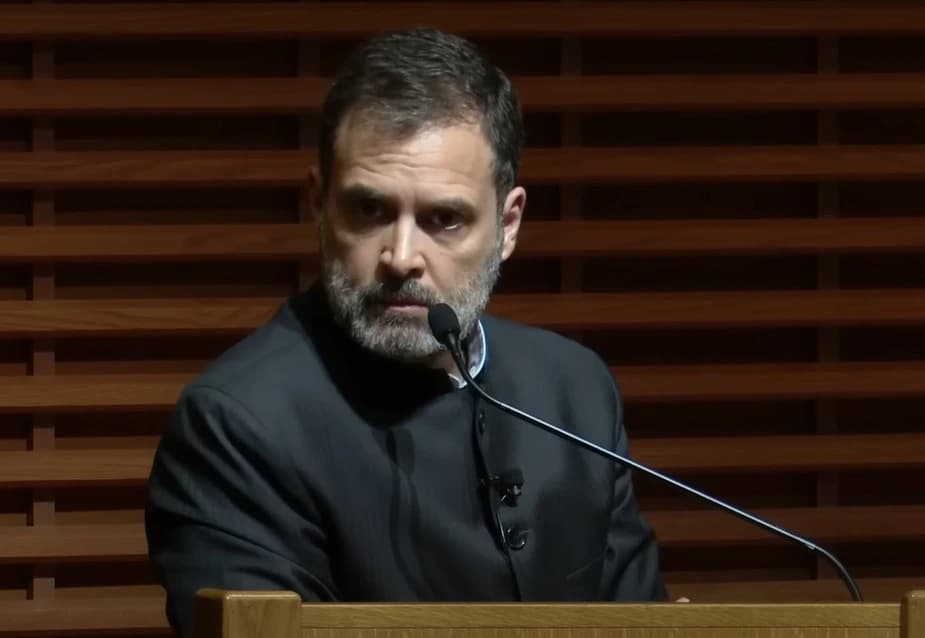
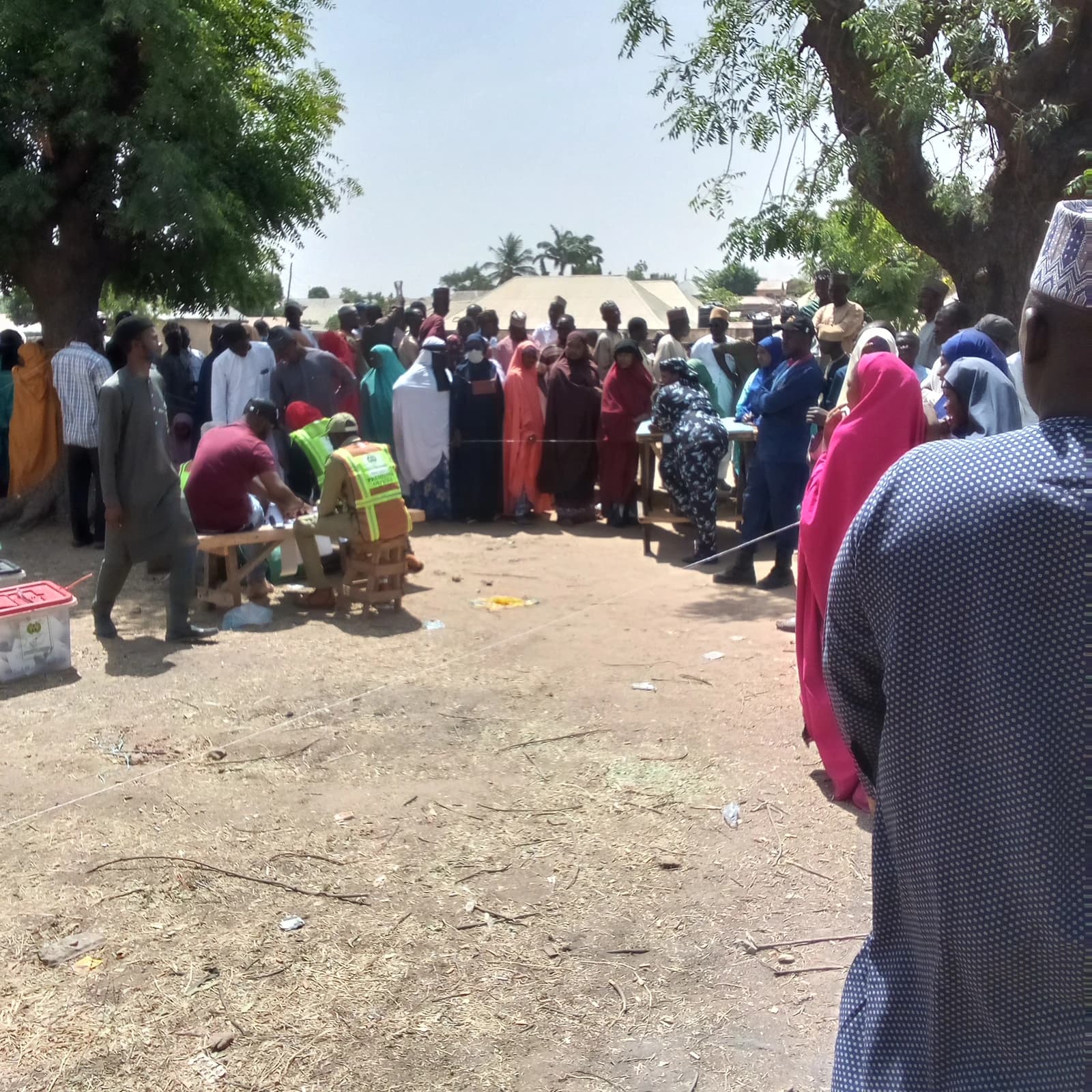
The Congress leader’s visible role in the backlash against the Election Commission’s special revision of electoral rolls has given the opposition a sharper public face at a time when anti-incumbency against Prime Minister Narendra Modi has not disappeared, especially among younger voters worried about jobs, education and fair institutions. Gandhi has marched from Parliament toward Nirvachan Sadan, joined sit-ins, faced detention and met alliance partners and student groups, turning electoral-roll complaints into a broader test of institutional trust.
That matters economically because political legitimacy and electoral confidence sit at the center of policy stability in the world’s fastest-growing major economy. If allegations of voter suppression or manipulation deepen, they risk undermining trust in the democratic process just as India tries to sustain investment, consumption and reform momentum. For investors, any sign that India’s political narrative is moving from governance to legitimacy can raise the premium on policy risk, particularly around states that matter for future parliamentary arithmetic.
The immediate political significance is that Gandhi looks more active, more present and more coordinated than the figure often dismissed by opponents as inconsistent or unserious. He is not just issuing statements from New Delhi; he is organizing protests, negotiating with allies and using the street as a stage. That has helped the Congress project a more forceful opposition at a moment when younger voters appear increasingly open to messages about accountability and institutional fairness.
But the limits are just as clear. The Congress still lacks the organizational depth needed to convert capital-based agitation into durable state-level strength, and the INDIA bloc remains a loose alliance with unresolved disputes over leadership and seat sharing. The next real test will come in Uttar Pradesh, Punjab and other state contests scheduled for 2027, where booth-level machinery matters far more than protest optics in Delhi.
There is also a risk that the message broadens too far. If the agitation is framed as regime change rather than a specific challenge to the electoral-roll exercise, the BJP will likely cast it as an attempt to delegitimize an elected government. That would muddy the central issue and hand the ruling party an easier counterattack.
For investors and political watchers, the key question now is whether Gandhi’s new avatar marks a lasting change in opposition strategy or another burst of visibility that fades once the protests end. The answer will shape not only the Congress’s prospects, but also how much political uncertainty markets must price into India’s next phase of state and national elections.
| Entity | Gains | Losses |
|---|---|---|
| Rahul Gandhi | ▲Stronger public profile | ▼Risk of overexposure |
| Congress/INDIA bloc | ▲Better opposition visibility | ▼Organisational weakness exposed |
| BJP/Modi government | ▲Can frame protests as political attack | ▼Faces renewed anti-incumbency pressure |
| Investors in India | ▲Short-term clarity if process improves | ▼Higher policy and legitimacy risk |