India will respond “as per need” to threats and use both diplomacy and military power, Defence Minister Rajnath Singh said, underscoring a harder security posture as cyberattacks, drones, disinformation and energy risks become central to national defence.
India defence minister on cyber, drones and military power
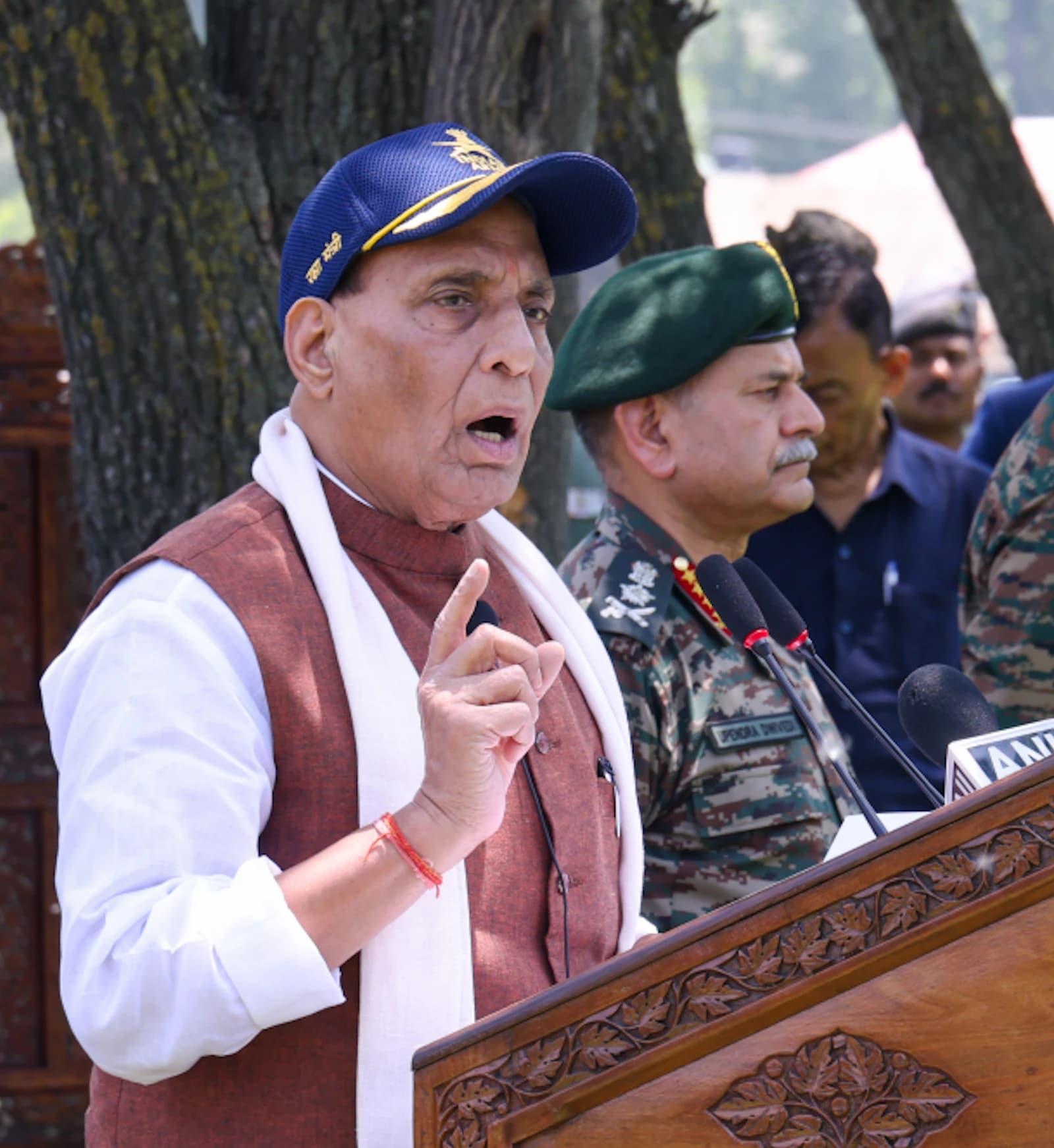
Singh’s remarks point to a wider shift in India’s security doctrine: the government is no longer treating the country’s borders as the only frontline. In his view, the next wave of threats can hit through networks, supply chains, information systems and critical infrastructure, making deterrence as much about preparedness as troop deployment.
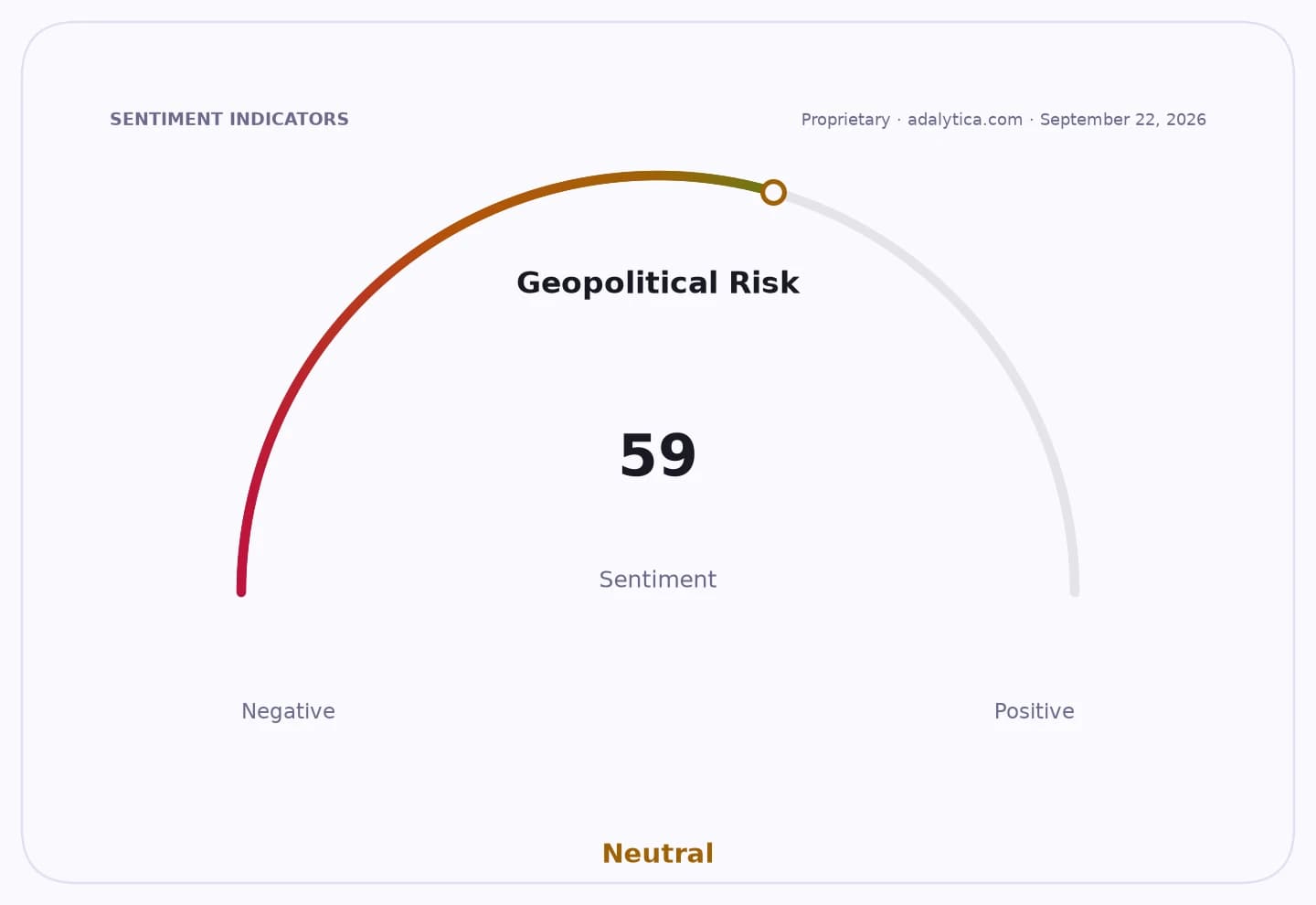
Sentiment IndicatorsⓘProprietary · adalytica.com · September 29, 2026
This is a snapshot — live sentiment, awareness and momentum for 130+ markets update continuously in the dashboard.Open AlphaPulse
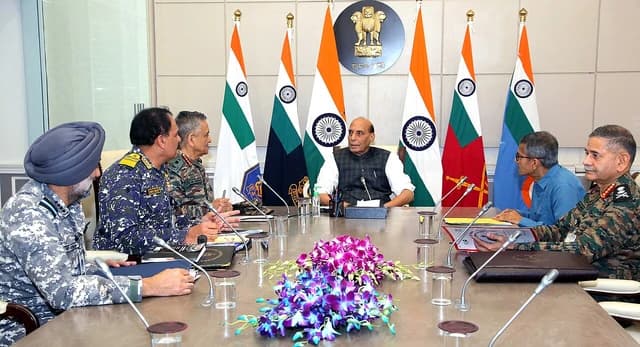
For investors, the message matters because a broader threat map usually translates into higher and more sustained spending on defence, cybersecurity, surveillance, electronic warfare, drones and domestic manufacturing. It also reinforces New Delhi’s push for strategic autonomy at a time when global security alliances are tightening and India is seeking to preserve room to manoeuvre between major powers.
Singh cited India’s past operations, including the 2016 surgical strikes, the 2019 Balakot air strike and Operation Sindoor, as proof that the country has both the capability and the will to act decisively when needed. He said diplomacy remains important, but it is stronger when backed by military capability, and that soft power can complement hard power but not replace it.
The comments come as India also seeks a larger role in global security governance, including support for a permanent seat on the UN Security Council. That ambition, along with closer defence ties with the US and backing from other countries, fits a narrative of India positioning itself as a more assertive regional power with a widening security agenda.
The next catalyst is likely to be how quickly New Delhi turns that rhetoric into procurement, capability upgrades and inter-agency coordination, especially in cyber defence and unmanned systems.
| Entity | Gains | Losses |
|---|---|---|
| Indian defence sector | ▲Higher procurement demand | ▼Budget uncertainty |
| Cybersecurity firms | ▲More contracts and urgency | ▼Legacy vendors |
| India’s strategic autonomy | ▲Stronger deterrence posture | ▼Purely diplomatic approaches |
| Adversaries using hybrid tactics | ▲— | ▼Greater risk of retaliation |