India’s oil and gas industry is shifting from a volume story to a resilience story, and that change matters for energy security, margins and capital allocation across the sector.
India oil and gas sector shifts to resilience

The ET Oil & Gas Annual 2026, set for Dec. 9 in New Delhi, comes at a moment when the global crude benchmark is still elevated near $98 a barrel, the US 10-year yield is around 4.83% and energy markets are digesting a sharp reset in pricing, policy risk and investment discipline. For India, which remains heavily dependent on imported hydrocarbons, that means the next phase of growth will be decided less by demand alone than by who can secure molecules, move them efficiently and squeeze more value out of every barrel and cubic foot.
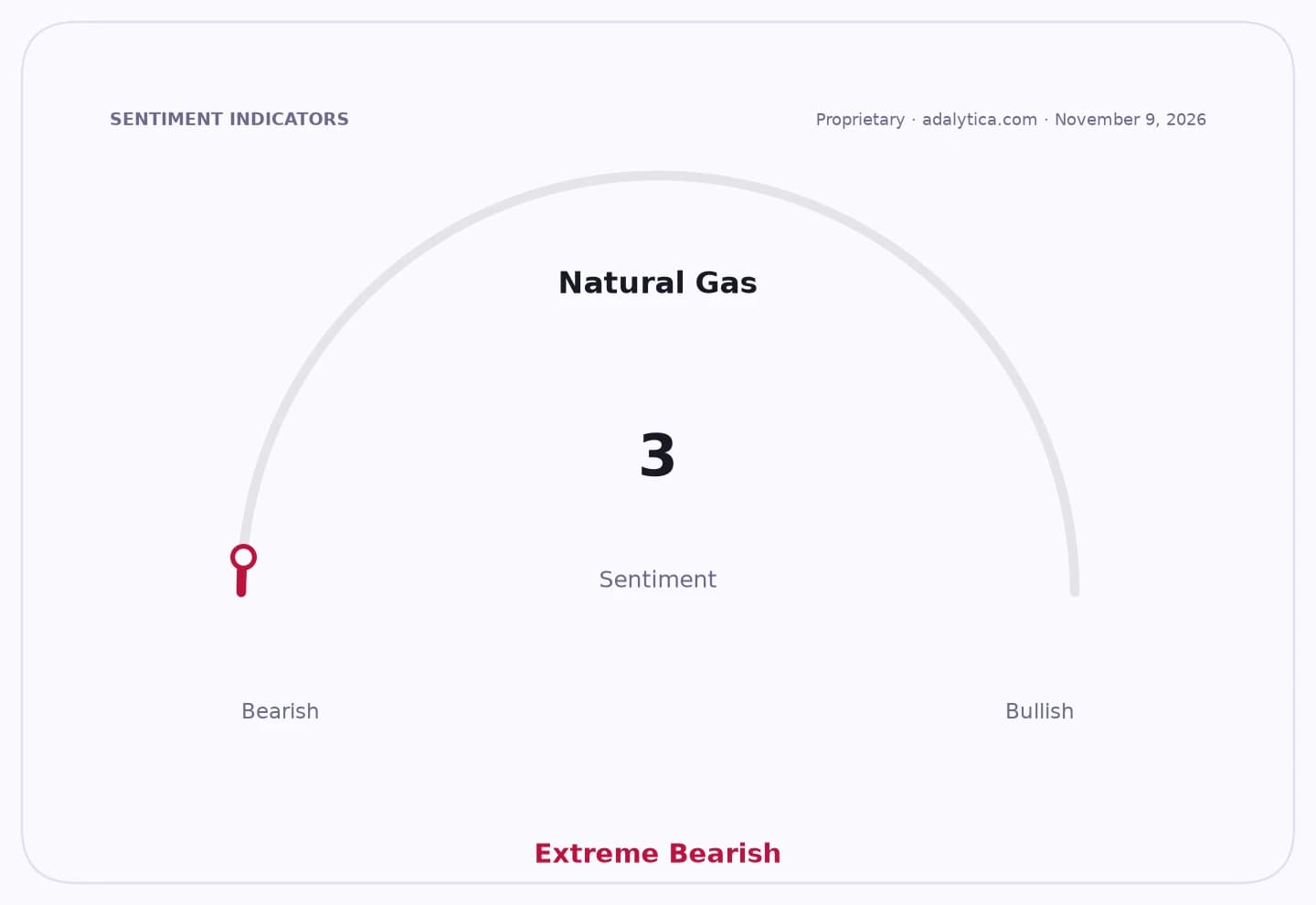
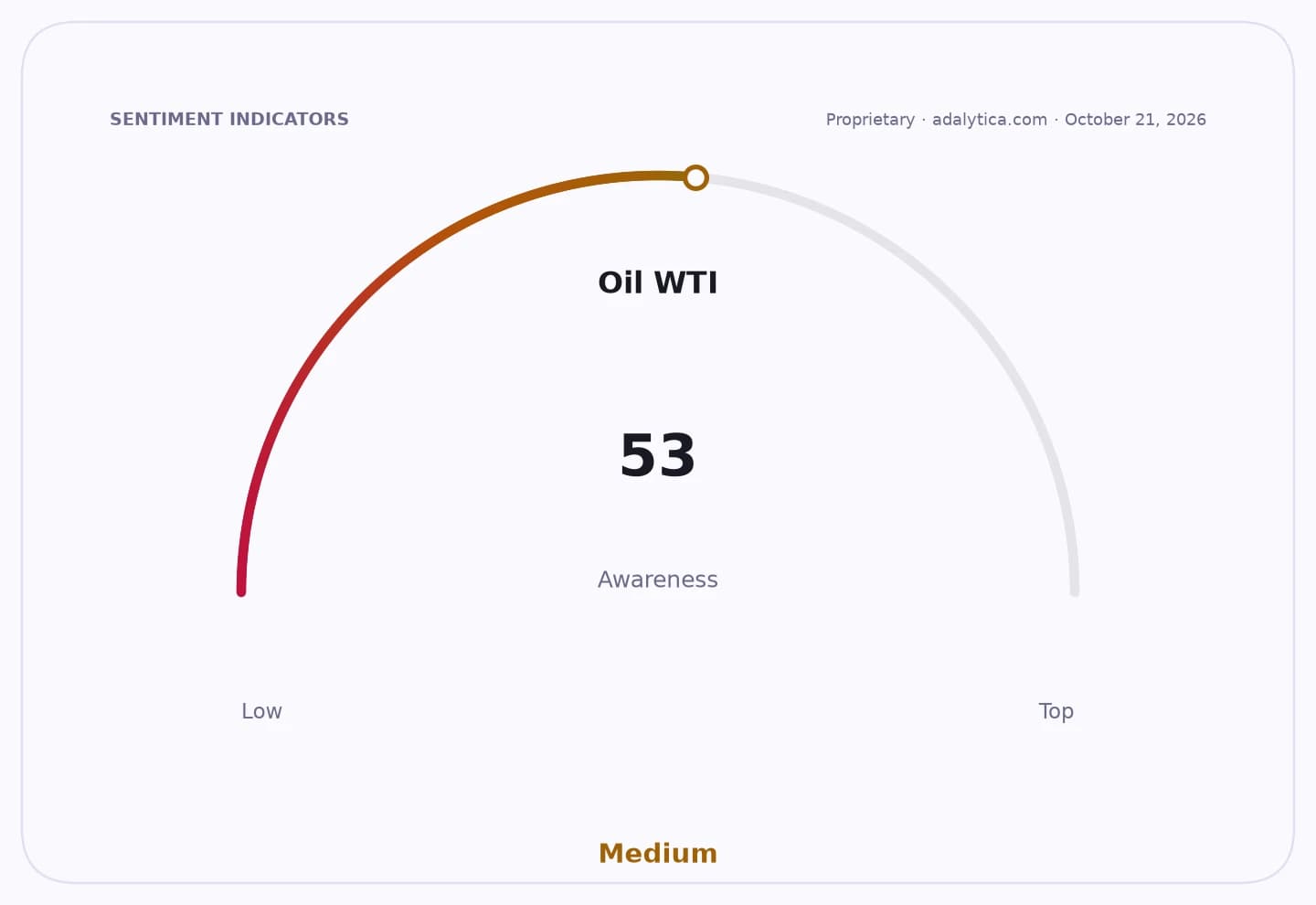
Sentiment Indicators
That is why the conference’s focus on domestic exploration, deepwater development, LNG contracting, pipeline buildout, refining, petrochemicals and equipment localization is more than just an industry agenda. It is a blueprint for how India can reduce exposure to volatile spot markets, protect industrial competitiveness and widen the domestic value chain. In a market where oil and gas firms are being pushed to defend returns while funding decarbonization and digital upgrades, the winners will be the companies that can cut lifting costs, lock in long-term supply and use technology to lift throughput without adding bloated capex.
The investment case is straightforward: this is a multi-year capex cycle disguised as a policy discussion. AI, automation and autonomous operations are moving from pilot projects to hard savings in drilling, refining and maintenance, while methane measurement and carbon capture are becoming commercial necessities rather than ESG side quests. That creates a powerful second-order opportunity for service companies, equipment makers, software providers, gas infrastructure plays and refining firms that can monetize efficiency gains before the rest of the market fully prices them in.
The backdrop is supportive for hydrocarbons even as the sector pushes lower-carbon options. India’s growth path to Viksit Bharat @2047 requires more gas, more pipelines, more domestic output and more resilient procurement. The companies best positioned are likely those tied to offshore services, LNG terminals, city gas distribution, compressors, valves, automation, industrial software and critical equipment manufacturing. On the public market side, energy ETFs and infrastructure-heavy oil and gas names can benefit if the market continues to underappreciate how much capital spending will be needed to secure supply and modernize operations.
My view is that investors are still too focused on commodity volatility and not focused enough on the industrial buildout underneath it. The real trade is not just crude prices; it is the infrastructure, technology and service stack that makes Indian hydrocarbons more secure, more efficient and more profitable. If the ET Oil & Gas Annual 2026 delivers even a fraction of that message to policymakers and operators, it will reinforce an investment theme that is only beginning to break out.
| Entity | Gains | Losses |
|---|---|---|
| Indian E&P and offshore service firms | ▲Higher drilling activity | ▼Pricing pressure if execution lags |
| LNG importers and gas distributors | ▲More long-term contracting | ▼Spot-price volatility |
| Refiners and petrochemical makers | ▲Higher-value molecule mix | ▼Margin risk from weak spreads |
| Equipment and automation vendors | ▲Localization demand | ▼Low-end import suppliers |