India is leaning harder into coal just as the economics of the fuel are under pressure, with its coal ministry using a high-level state conference to press for faster reforms, more gasification and wider use of technology to keep power and industry supplied.
India Coal Ministry Pushes Reforms, Gasification
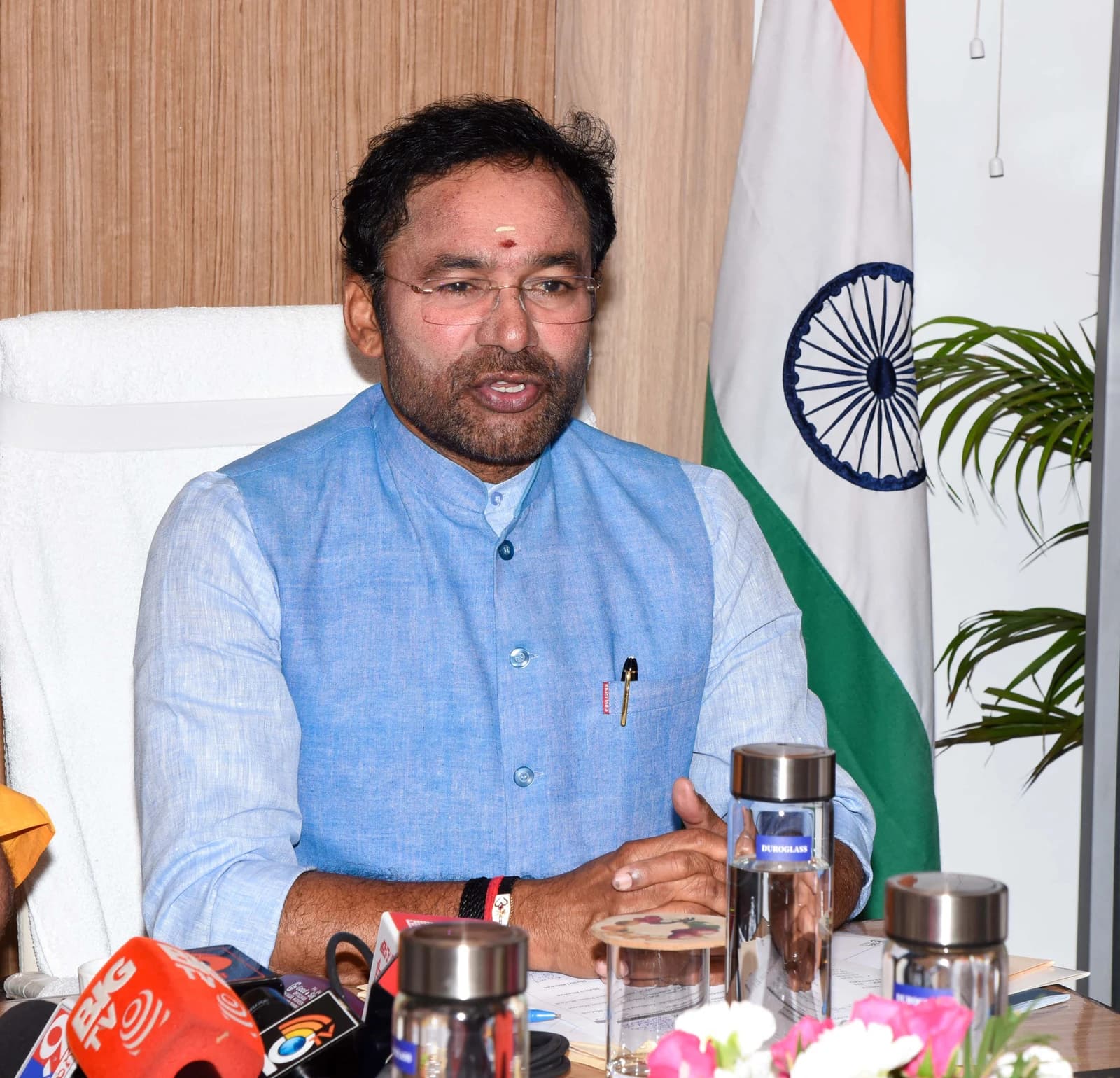
That matters because India remains one of the world’s biggest coal consumers, and policymakers are now trying to turn the country’s vast domestic reserves into a more efficient, more strategic energy asset rather than a simple burn-and-dig model. The message from Union Coal and Mines Minister G. Kishan Reddy is clear: accelerate auctions, bring stranded mines into production faster, and use coal gasification and digital tools to squeeze more value out of the sector while reducing import dependence.
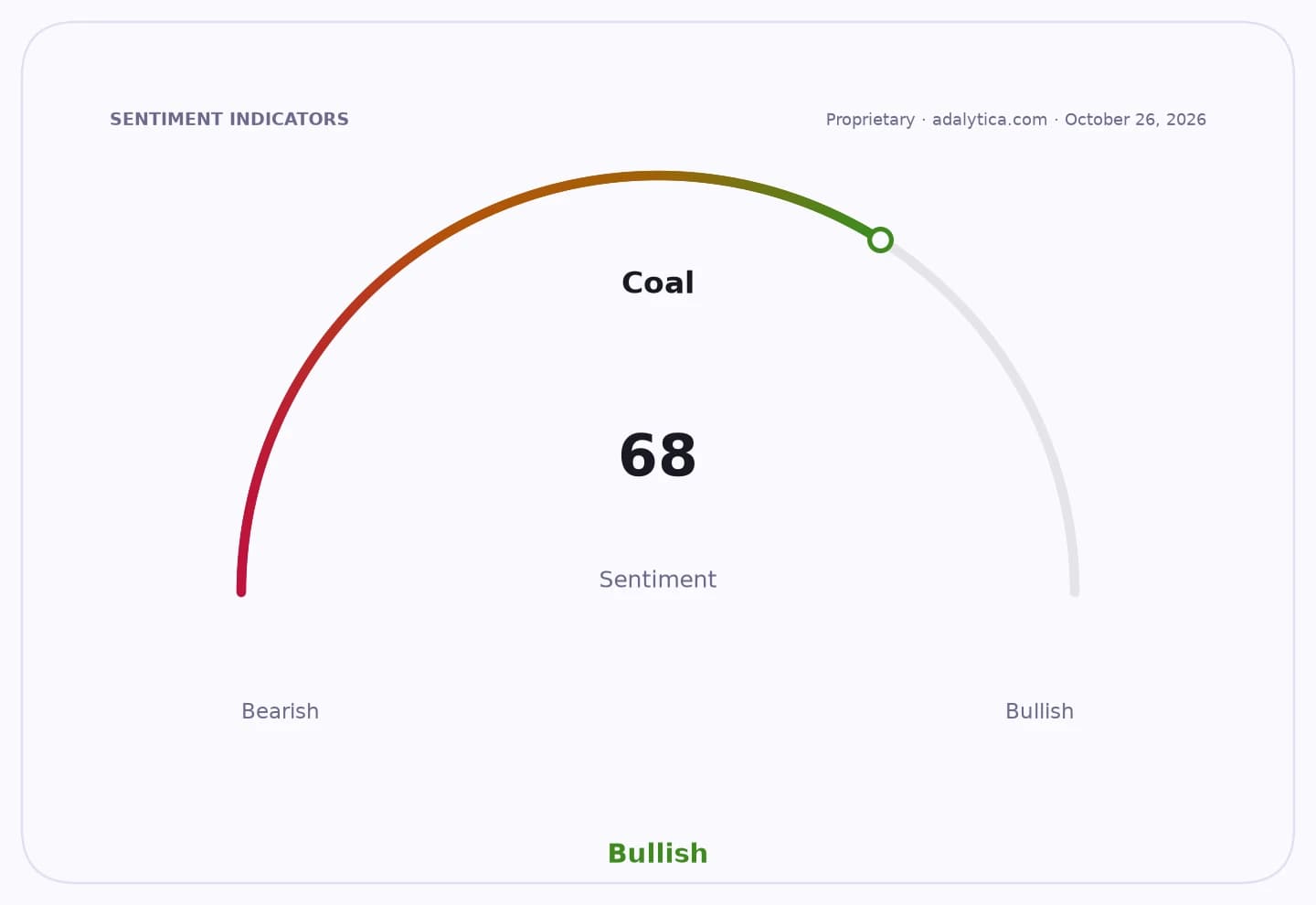
Sentiment Indicators

For investors, the implication is less about a quick trade and more about a structural shift. A more reform-driven coal sector can support miners, logistics providers, equipment makers and heavy industry by improving project execution and raising domestic supply reliability. It can also pressure import-linked competitors if India succeeds in substituting more foreign coal with local output, especially as the government pushes commercial mining and a revised allocation framework.
The timing is important. The Ministry of Coal said domestic production has topped 1 billion tonnes for a second straight year, a milestone that underscores how central coal still is to India’s power system and industrial base. At the same time, officials are talking up coal gasification as the next step, arguing that converting coal into higher-value industrial feedstock could create jobs, diversify end uses and strengthen energy security.
Coal — 30-day sentimentadalytica.com
Explore this data interactively — full history, time series and cross-market comparisons.
Coal
There is also a geopolitical edge to the policy push. Reddy highlighted critical minerals and the need for domestic exploration, processing and recycling, a sign India wants to reduce exposure to imported raw materials in sectors from power to manufacturing. That fits a broader industrial strategy built around self-reliance, state participation and technology-led mining, including artificial intelligence, digitalization and better mine logistics.
The market backdrop is unusually mixed. Coal sentiment, measured by Adalytica’s Coal Fear & Greed Index, is at “Extreme Greed,” even as broader coal market conditions have been volatile and some exporters face regulatory tightening. For long-term investors, that is a reminder that policy support can coexist with cyclical pressure. Coal may remain unpopular in parts of the global market, but in India it still sits at the center of the energy security debate.
The real takeaway is that New Delhi is not talking about coal as a sunset fuel just yet. It is trying to make the sector cleaner operationally, more productive economically and more useful strategically. If that reform drive gains traction, it could support a longer runway for domestic miners, infrastructure spending and industrial demand — while reinforcing India’s bet that energy security still starts with coal.
| Entity | Gains | Losses |
|---|---|---|
| Indian coal miners | ▲Faster approvals, higher output | ▼Delays and stranded assets |
| Power and steel users | ▲More reliable domestic supply | ▼Import dependence and price shocks |
| Equipment and tech providers | ▲Digitalization and automation demand | ▼Old-technology operators |
| Coal importers | ▲Less exposure if domestic supply rises | ▼Market share and margins |