India’s best answer to a more volatile world is to move faster at home, and that is why calls for bold reform now matter as much to investors as any diplomatic headline.
India Reform Push Gains Investor Focus
The central argument from former diplomat Mohan Kumar is that geopolitical disorder — from a more transactional United States to a more assertive China and the fading of multilateral rules — is not just a foreign-policy challenge for India. It is an economic one. In a world where supply chains are being redrawn and alliances look less reliable, countries that can reform quickly gain leverage: they attract capital, widen strategic options and make their economies harder to ignore. For India, that means using its policy space to deepen domestic reforms rather than waiting for global stability to return.
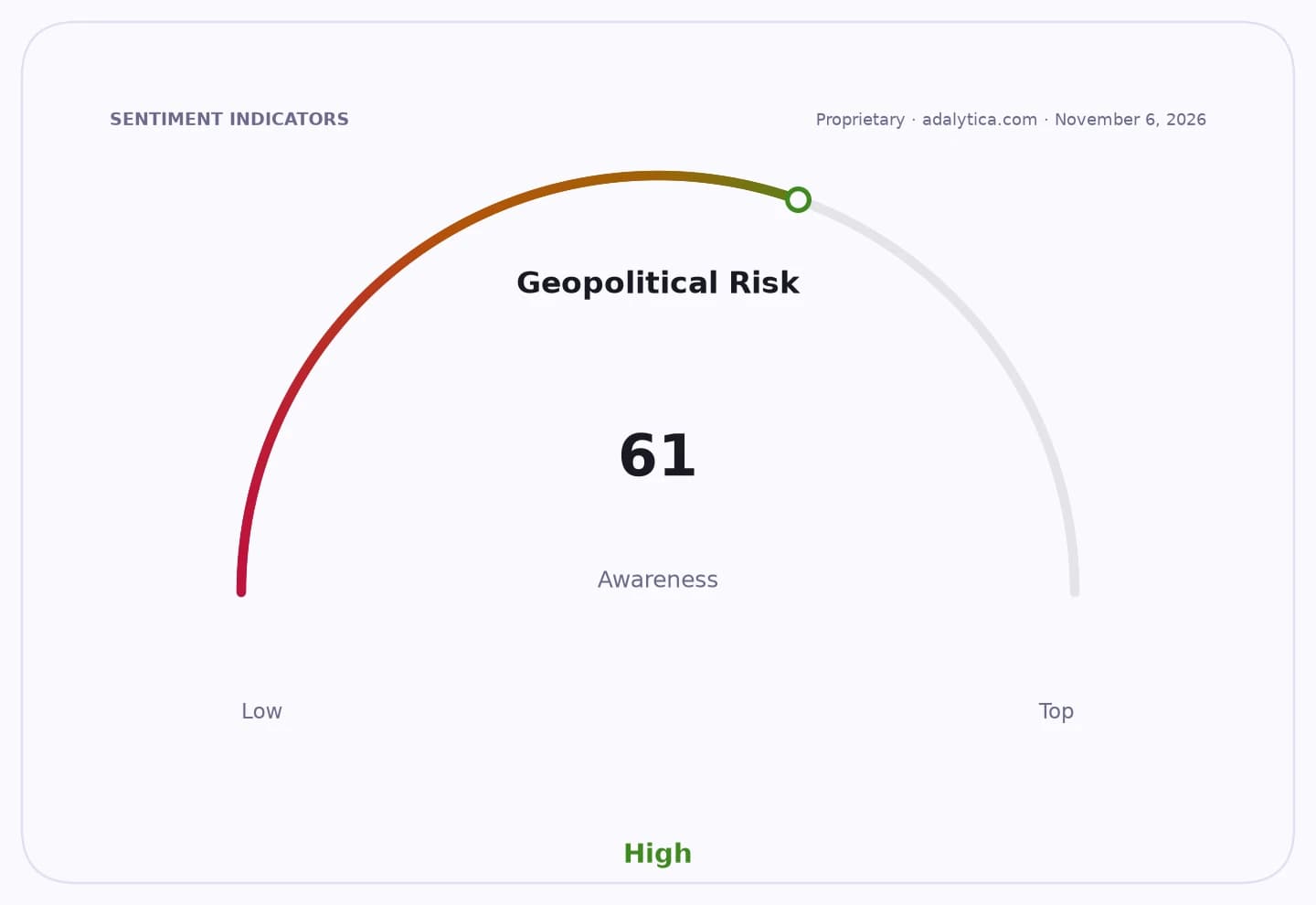
Sentiment Indicators
That backdrop helps explain why recent policy moves, from ISRO’s successful launch of the NVS-03 navigation satellite to the creation of a National Social Security Board for gig and unorganised workers, matter beyond their immediate headlines. The satellite launch strengthens India’s indigenous navigation infrastructure, a small but important piece of national capability that can support logistics, transport and strategic autonomy. The social-security board is just as relevant to long-term investors: India’s growth story will depend not only on technology and capital spending, but on whether its labor market can modernize without leaving workers behind.
This is the kind of reform mix markets tend to reward over time. India still needs jobs, productivity gains and a steadier framework for private investment, especially as global trade and security rules become less predictable. But that is precisely why the current moment is so important. When the external environment is unsettled, domestic reform becomes a competitive advantage. Countries that can take political risks and implement change often emerge with stronger institutions, better infrastructure and more durable earnings growth.
For investors, the lesson is straightforward: India’s opportunity is not just about the next quarter, but the next decade. The country’s appeal lies in its ability to combine strategic autonomy with economic modernization, from space and digital infrastructure to labor reform and broader industrial policy. That does not remove risks — India still faces execution challenges, uneven job creation and the possibility of policy delays — but it does reinforce the case for patient exposure to the country’s growth engine.
In a world of flux, India is being pushed to prove it can do hard things at home while navigating pressure abroad. If it does, the payoff could be compounding gains in economic power, market depth and investor confidence. That makes the reform story worth watching closely, and worth holding for the long term.
| Entity | Gains | Losses |
|---|---|---|
| India’s economy | ▲stronger long-term competitiveness | ▼complacency and policy drift |
| Investors in India | ▲exposure to reform-led growth | ▼short-term volatility and execution risk |
| Domestic workers | ▲more social protection over time | ▼slower reform if policy stalls |
| Rival emerging markets | ▲less policy advantage if India accelerates | ▼capital and supply-chain share to India |