The Philippines is widening its military shopping list with India’s Pinaka rocket system, a move that could deepen a strategic partnership with New Delhi while adding pressure on Beijing in the South China Sea.
Philippines Eyes India Pinaka Rocket System
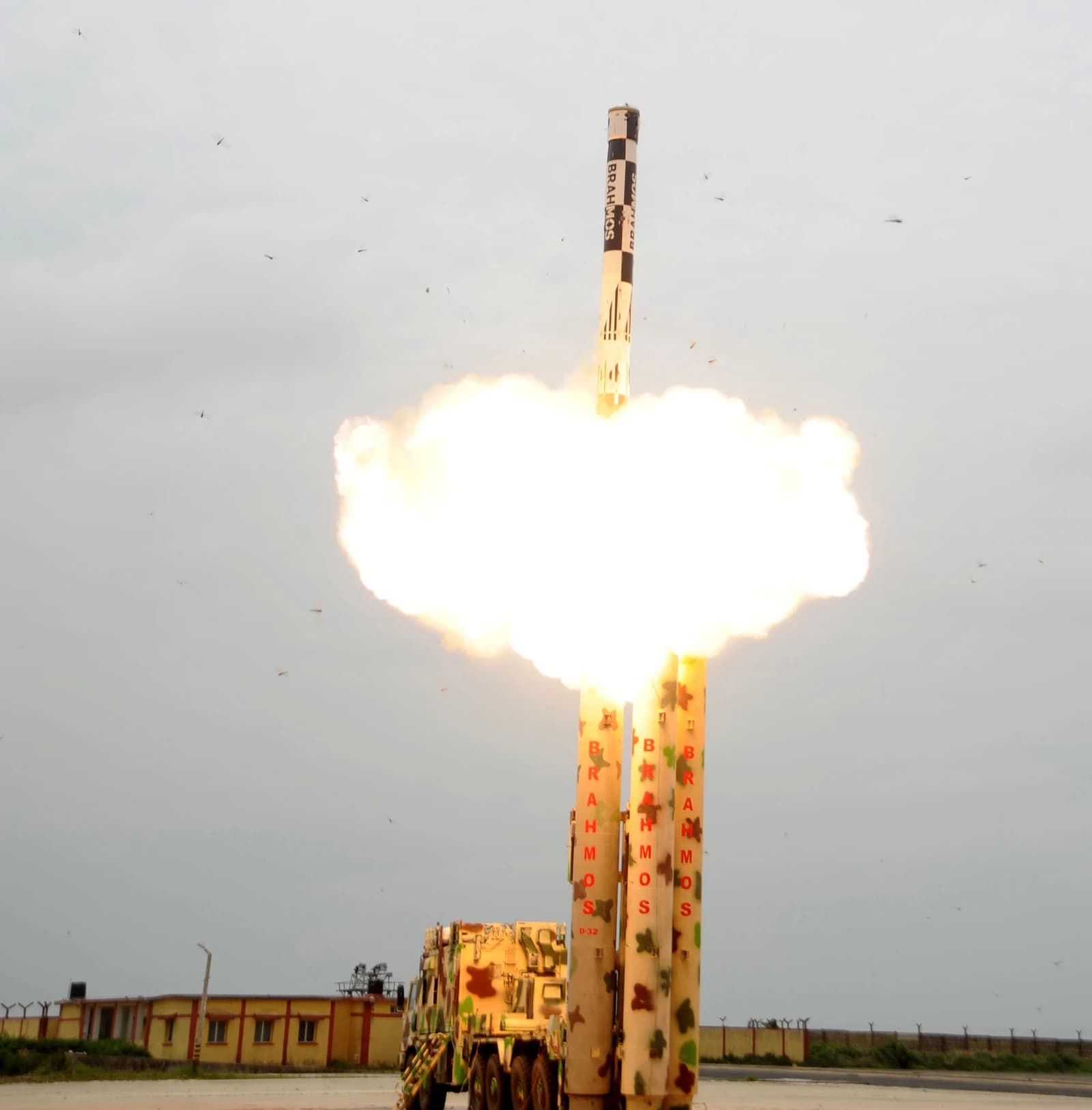
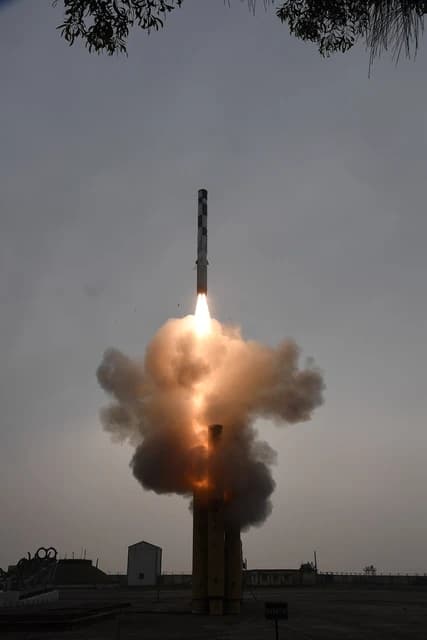
That matters because the Philippines is not just buying weapons; it is building a more mobile, harder-to-target deterrent force. Pinaka, a multi-barrel rocket launcher, would complement Manila’s interest in BrahMos cruise missiles and Akash air defense systems, giving the country a broader mix of strike, air-defense and battlefield firepower. For a military that has spent years trying to close capability gaps against a far larger rival, the ability to hit back quickly and move units before being targeted is economically and strategically significant.
Sentiment Indicators
For investors, the story is less about a one-off headline and more about a durable trend: Asian governments are spending more to harden themselves against regional risk. That usually means longer procurement cycles, bigger backlogs and steadier revenue visibility for defense contractors with exposure to missiles, air defense and integrated combat systems. The market has already rewarded that theme. Lockheed Martin shares have climbed well above their 50-day and 200-day moving averages in recent months, while RTX and Northrop Grumman have also traded at elevated levels, reflecting persistent demand for defense hardware even as broader markets stay volatile.
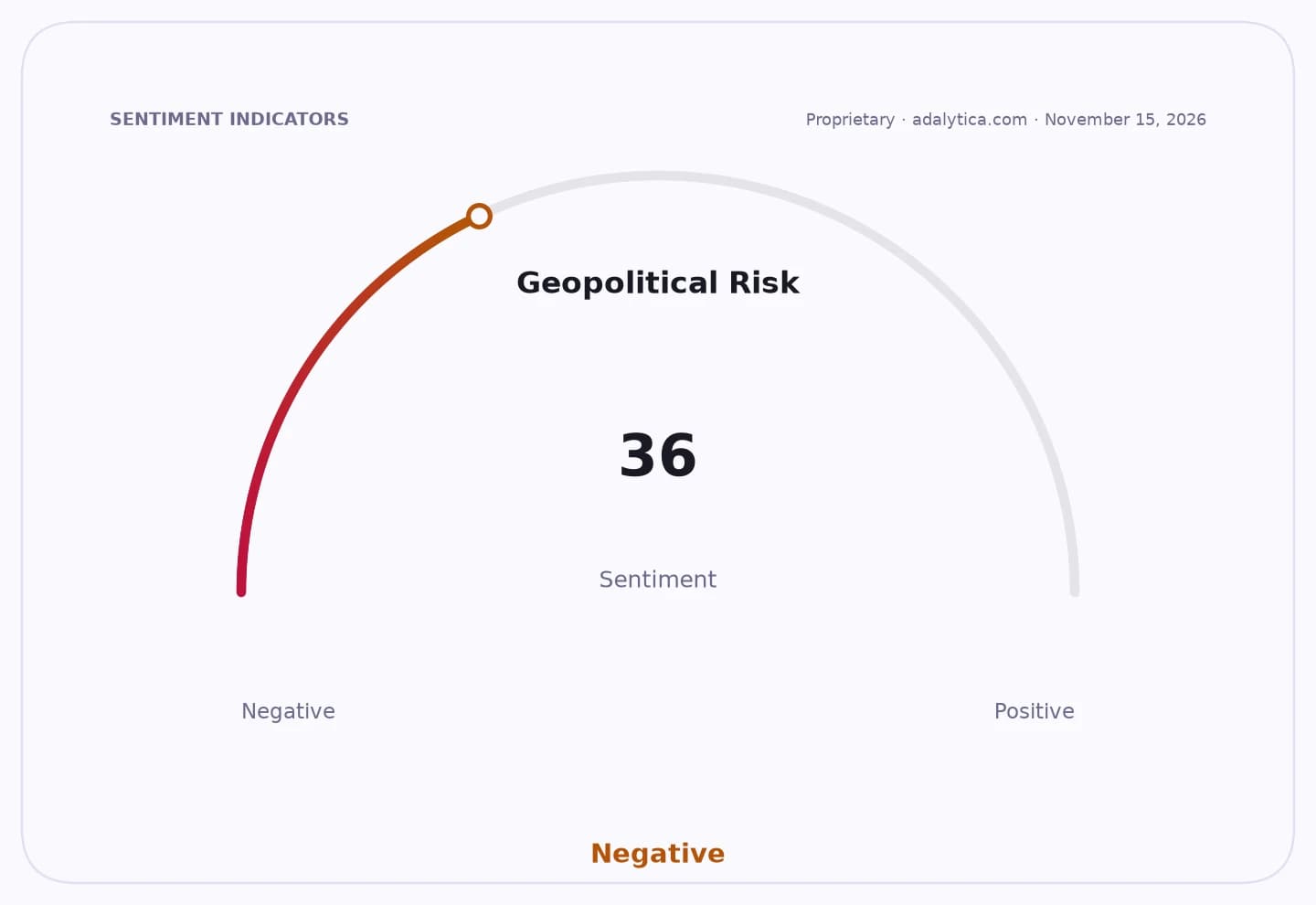
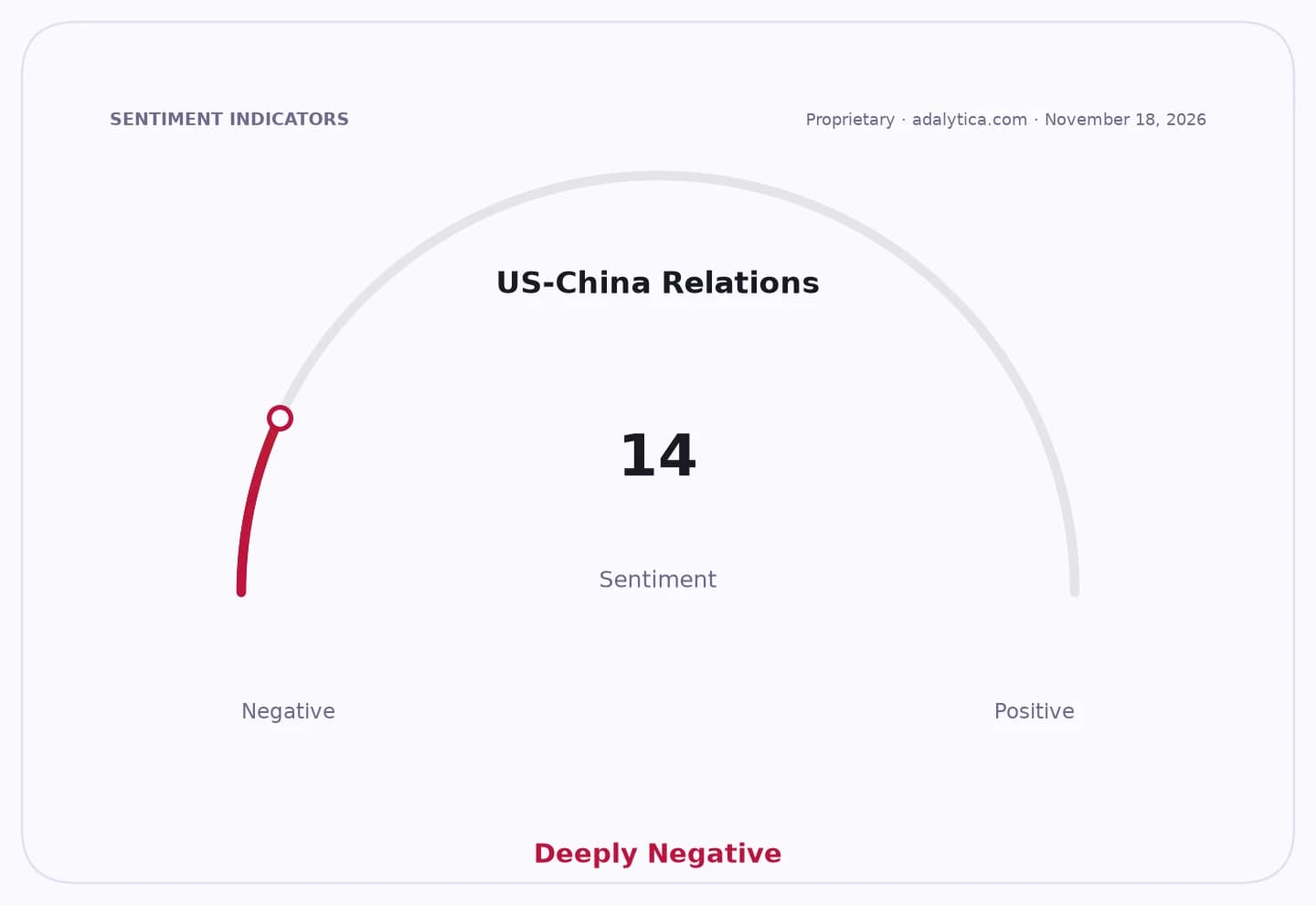
The geopolitical backdrop is doing a lot of the heavy lifting. Adalytica’s Global Stability Sentiment sits in fear territory, while its U.S.-China relations gauge shows extreme fear, underscoring how tense the regional environment has become. That kind of backdrop rarely fades quickly. It tends to support multi-year defense spending as countries from Southeast Asia to Europe look for systems that can deter escalation without requiring permanent force buildouts.
Geopolitical Risk
There is also a commercial angle for U.S. and allied defense primes. Even when a deal does not go directly to an American contractor, every new procurement in the region reinforces the case for higher military budgets, more interoperability and deeper supplier networks. Lockheed Martin, RTX and Northrop all have said in recent filings that heightened tensions in the Pacific and elsewhere continue to support demand for defense products. For long-term investors, that makes the sector worth watching, not because every headline turns into revenue overnight, but because strategic competition has become a structural tailwind.
The risk, of course, is that interest does not always become an order. Budget constraints, export approvals and political shifts can slow or shrink deals. But the direction of travel is clear: the Philippines is seeking more firepower, India is using defense exports to expand its regional footprint, and China is being forced to account for a more capable neighbor. That is exactly the kind of slow-burning shift that can matter to investors over years, not days.
| Entity | Gains | Losses |
|---|---|---|
| Philippines | ▲stronger deterrence | ▼higher procurement costs |
| India | ▲deeper defense ties | ▼supply and export strain |
| China | ▲— | ▼added regional pressure |
| Defense contractors | ▲sustained demand | ▼deal execution risk |