The Philippines is looking to India for more than missiles: it wants a deeper defense partnership that could give Manila cheaper, faster ways to deter China in the South China Sea and open a new market for India’s growing arms industry.
Philippines Explores Deeper Defense Ties With India
That shift matters because the Philippines is effectively acknowledging that it cannot balance Beijing on its own. Defense Secretary Gilbert Teodoro said Manila needs “allies” and is exploring joint production of air defense systems with India after the country became the first in the world to operate the BrahMos cruise missile. He also said Manila has handed Indian officials a list of requirements to tailor the system to Philippine needs, signaling that the relationship is moving from one-off procurement toward a broader industrial partnership.
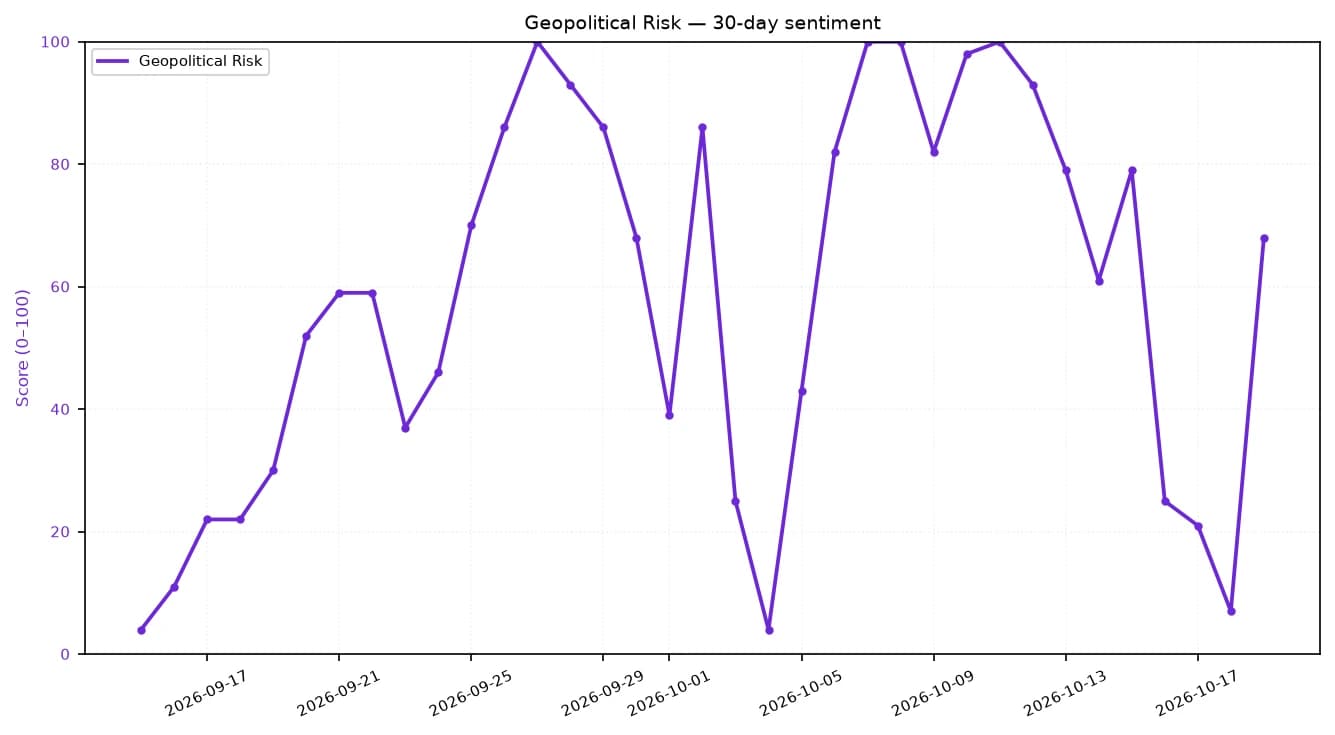
Sentiment Indicators
Economically, the story is about the militarization of a trade and shipping corridor that remains vital for regional commerce and energy flows. China’s claim to roughly 90% of the South China Sea has already pushed coastal states to spend more on surveillance, maritime patrols and missile defense. Manila’s push for Indian radar, Tejas fighter jets, patrol vessels, artillery and even satellite support points to a longer procurement cycle that could reshape defense spending across Asia. For India, it is a chance to convert its arms export ambitions into a strategic export market; for the Philippines, it is a route to diversify suppliers away from the United States and lower the cost of building a minimum deterrent.
The investment angle is less about an immediate market trade and more about the policy backdrop that can affect defense contractors, shipbuilders and satellite firms serving the region. A deeper India-Philippines defense tie-up would also widen the geopolitical hedging playbook in Asia at a time when US-China tensions remain elevated. Adalytica’s US-China Relations Sentiment sits in neutral territory but with extreme-fear awareness, underscoring how investors remain alert to flashpoints even when broader risk appetite is firm.
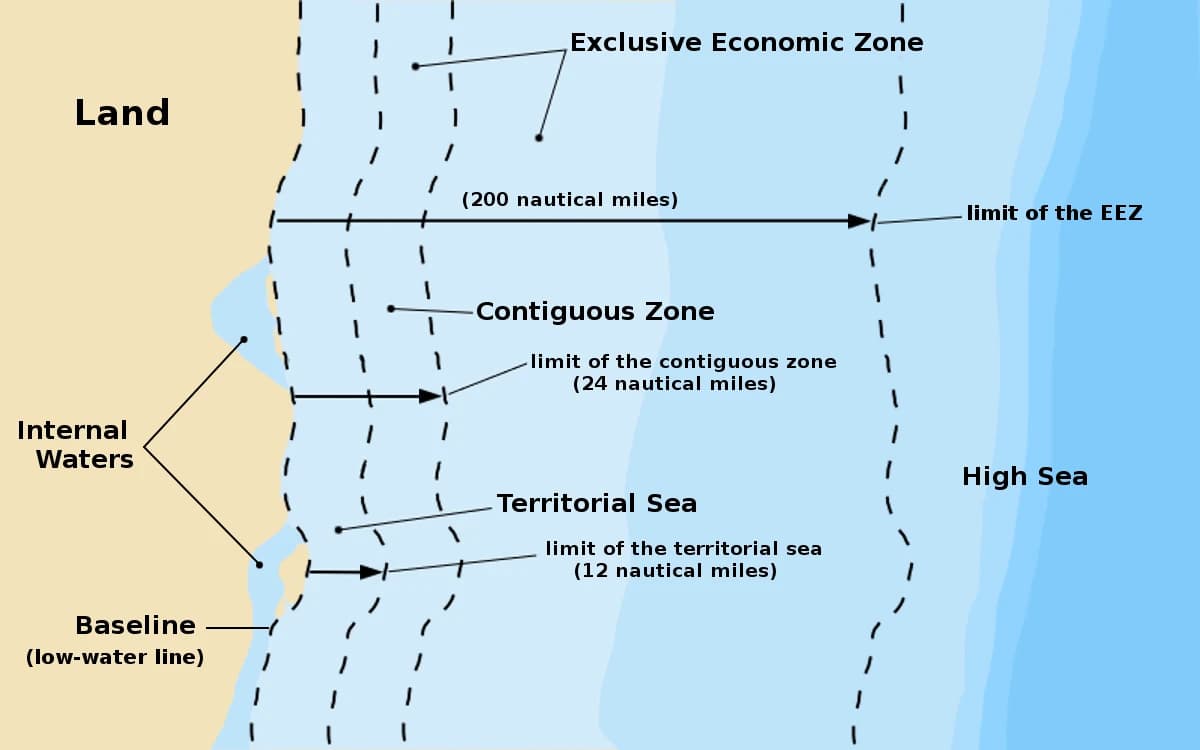
The strategic logic is straightforward. The 2016 Permanent Court of Arbitration ruling rejected Beijing’s unilateral South China Sea claim, but China has continued to expand its presence through artificial islands, radar and missile sites, and more frequent patrols. That leaves the Philippines exposed and turns India into a useful partner because it can offer systems that are interoperable, lower-cost and politically less encumbered than some Western alternatives. A tighter military relationship would also give India a limited but meaningful foothold in one of the world’s most contested waterways.
For investors, the key question is whether this evolves into actual contracts. The original $375 million BrahMos deal proved Manila is willing to buy Indian weapons. A second order, local co-production or satellite cooperation would be more significant, because it would indicate a durable defense procurement channel rather than a symbolic diplomatic gesture. The bull case is a broader India-led export opportunity in Southeast Asia; the bear case is that financing, delivery timelines and Chinese pressure slow the process. Either way, the South China Sea dispute is no longer just a naval issue — it is becoming a defense-industrial opportunity.
| Entity | Gains | Losses |
|---|---|---|
| India | ▲Defense exports and regional influence | ▼Diplomatic friction with China |
| Philippines | ▲Cheaper deterrence and broader supplier base | ▼Higher defense dependence and spending |
| Chinese interests in the South China Sea | ▲Strategic pressure from new partnerships | ▼Room to expand uncontested |
| Defense contractors and satellite firms | ▲Potential new contracts | ▼Delayed if politics slow procurement |