India’s rapid rise in defence manufacturing is becoming a visible part of its broader economic story, and that is exactly what Indian expatriates in Japan say is changing how the country is viewed abroad.
India Defence Production and Exports Rise
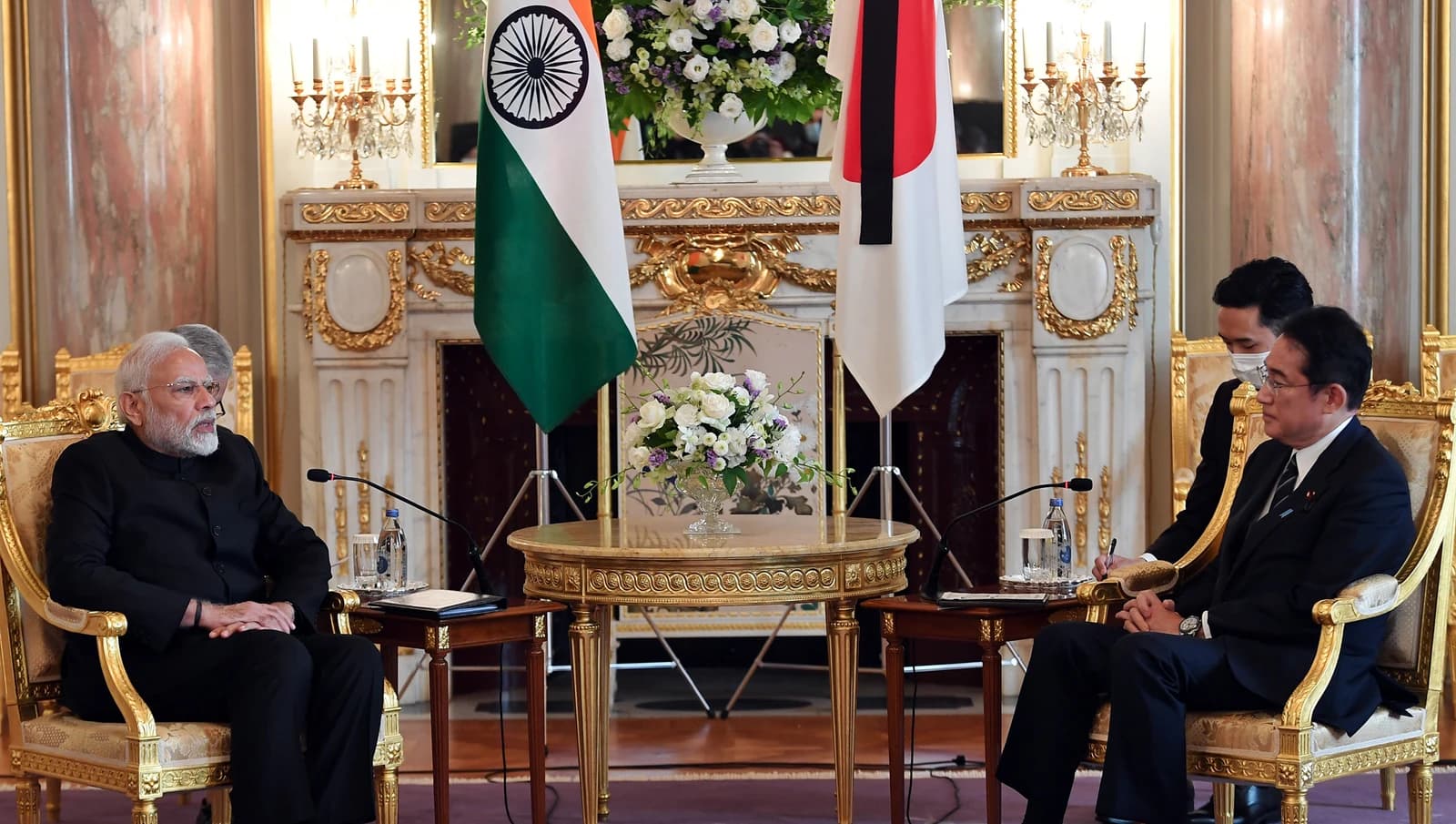
The strongest new information from Defence Minister Rajnath Singh’s visit to Tokyo is not the applause from the diaspora itself, but the scale of India’s transformation behind it. Singh said domestic defence production has climbed to more than Rs 1.80 lakh crore from Rs 48,000 crore a decade ago, while defence exports have surged from Rs 600 crore to a record Rs 38,000 crore. For investors, that matters because it points to a country building more of its own military equipment, keeping more value at home and creating a longer runway for private-sector suppliers, exporters and technology firms.
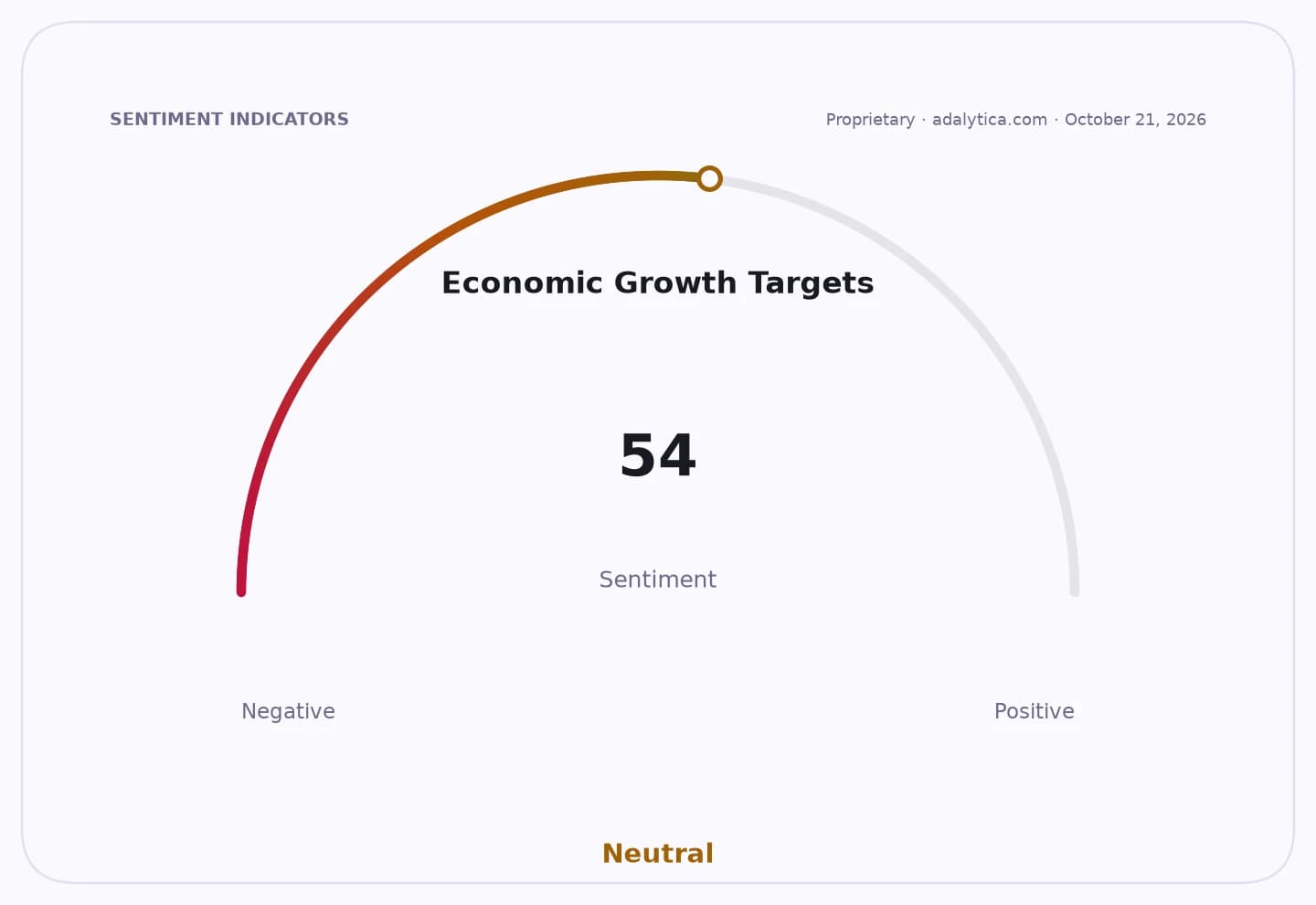
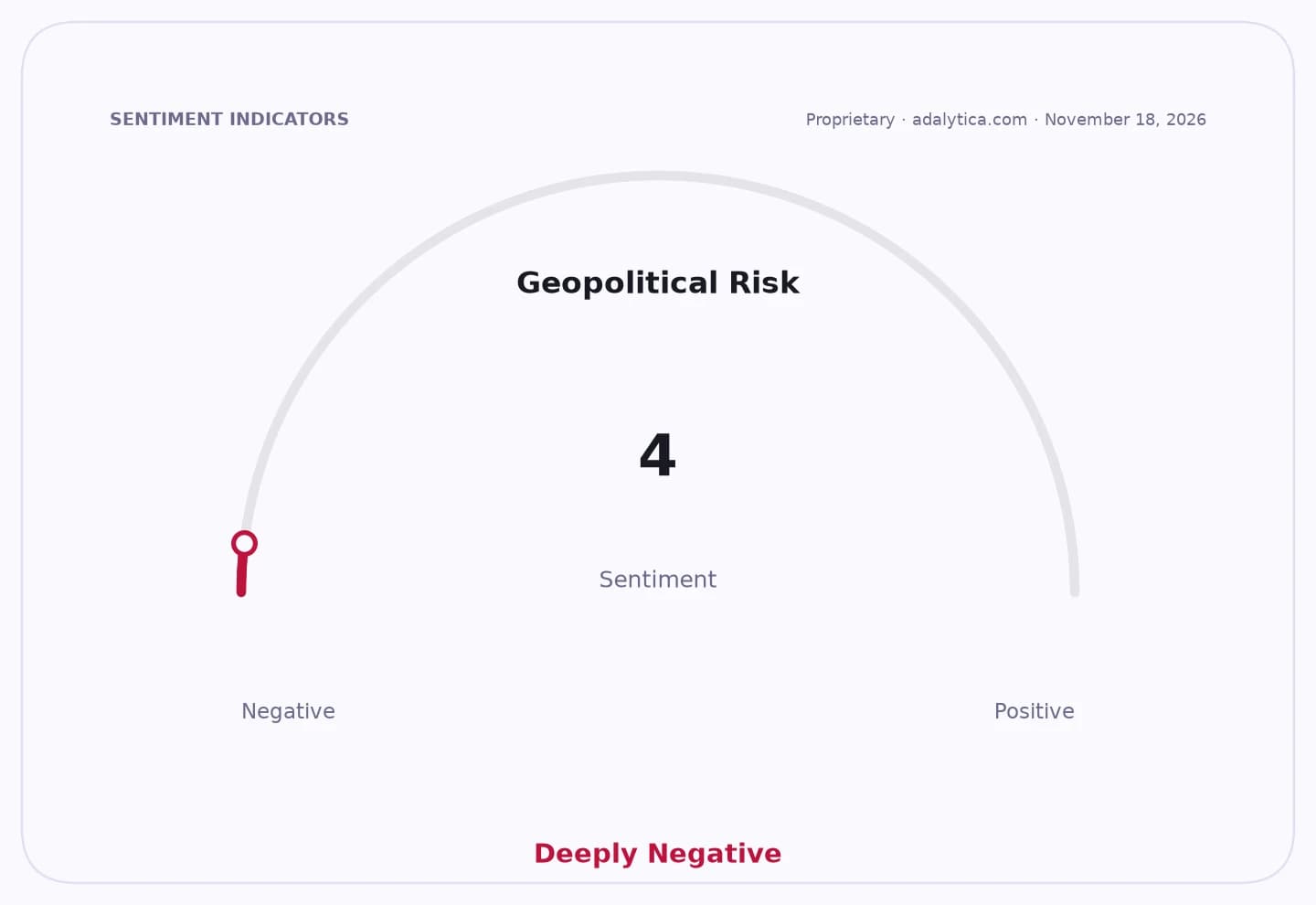
Sentiment Indicators
The economic significance goes beyond symbolism. Defence manufacturing is one of the clearest examples of India moving up the industrial value chain, with policy support, higher local content and greater private participation helping reduce dependence on imports. That can support jobs, manufacturing capability and strategic self-reliance, while also improving India’s external accounts over time if exports continue to rise.
The Tokyo visit also matters geopolitically. Singh is in Japan for a two-day trip ahead of the fourth India-Japan Foreign and Defence Ministers’ Dialogue, where the two countries are expected to deepen cooperation on maritime security and the wider Indo-Pacific. He also toured the Mogami-class frigate JS Natori at Yokosuka, underscoring how defence ties are becoming a practical pillar of the relationship rather than a ceremonial one.
For long-term investors, the bigger takeaway is that India’s growth story is spreading into sectors that traditionally had limited export potential. Defence is increasingly looking like one of them. If the country can sustain reforms, curb corruption and keep scaling local manufacturing, the opportunity extends well beyond the headlines and into the supply chains that serve it. That is why the story is worth watching over the next several years, not just the next news cycle.
| Entity | Gains | Losses |
|---|---|---|
| India’s defence manufacturers | ▲Higher production, more orders | ▼Import dependence |
| Export-oriented private suppliers | ▲New overseas demand | ▼Low-value domestic-only sales |
| Japan-India strategic ties | ▲Deeper security cooperation | ▼Old-distance diplomatic caution |
| Foreign defence suppliers | ▲Partnership opportunities | ▼Share of India’s local market |