Donald Trump’s praise of Narendra Modi as a “very tough man” is more than diplomatic theater — it is a reminder that the real market-moving issue in Manila is whether Washington and New Delhi can keep their strategic partnership intact while they negotiate a trade deal that could reset tariffs, supply chains and capital flows into India.
Trump Praises Modi as U.S.-India Trade Talks Continue
That matters because India sits at the center of the next phase of global diversification. Investors have spent the past two years betting that India will absorb more manufacturing, more supply-chain investment and more geopolitical capital as companies hedge away from China. A constructive U.S.-India relationship is the difference between that thesis accelerating and getting bogged down by tariffs, political friction and slower dealmaking.
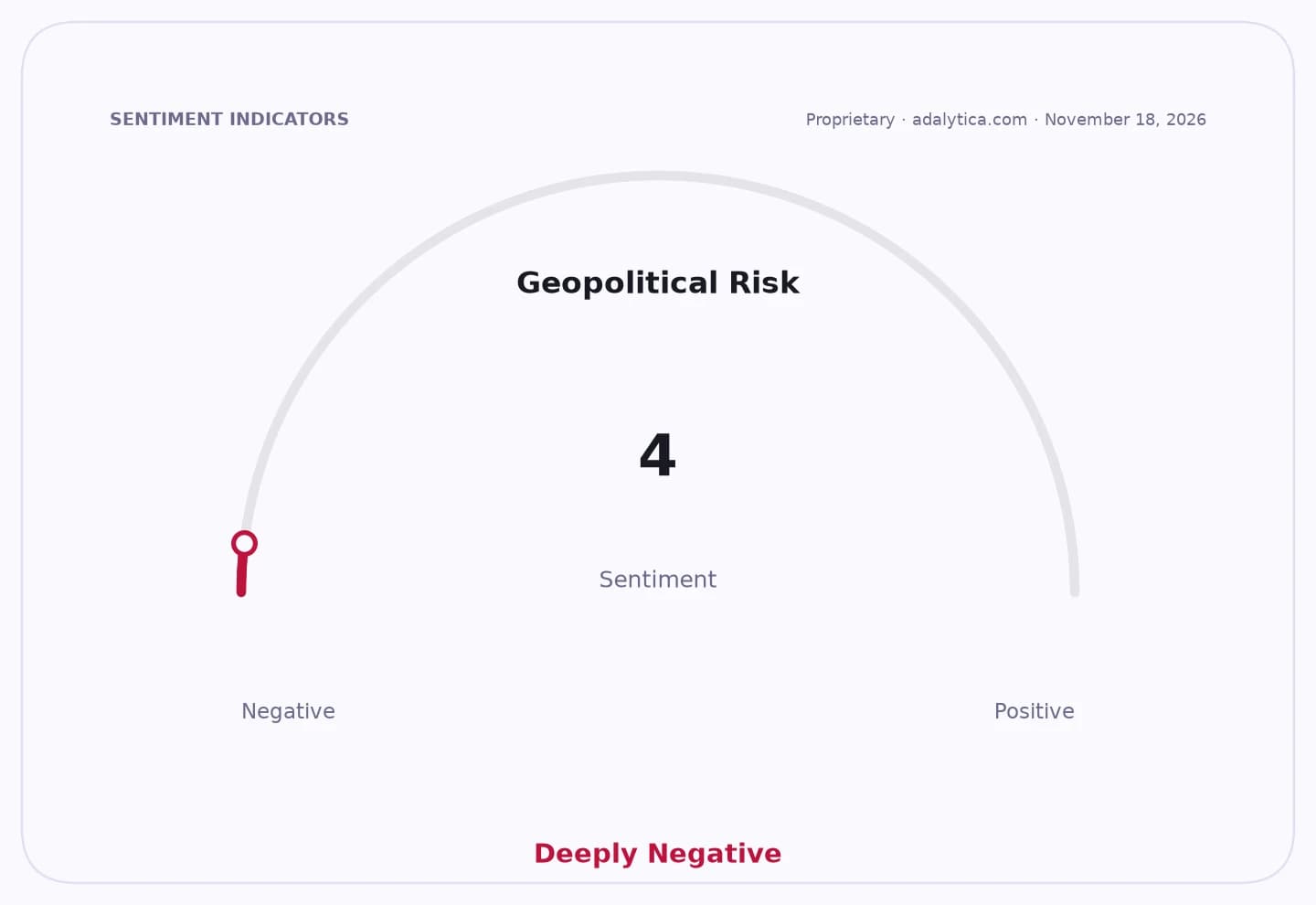
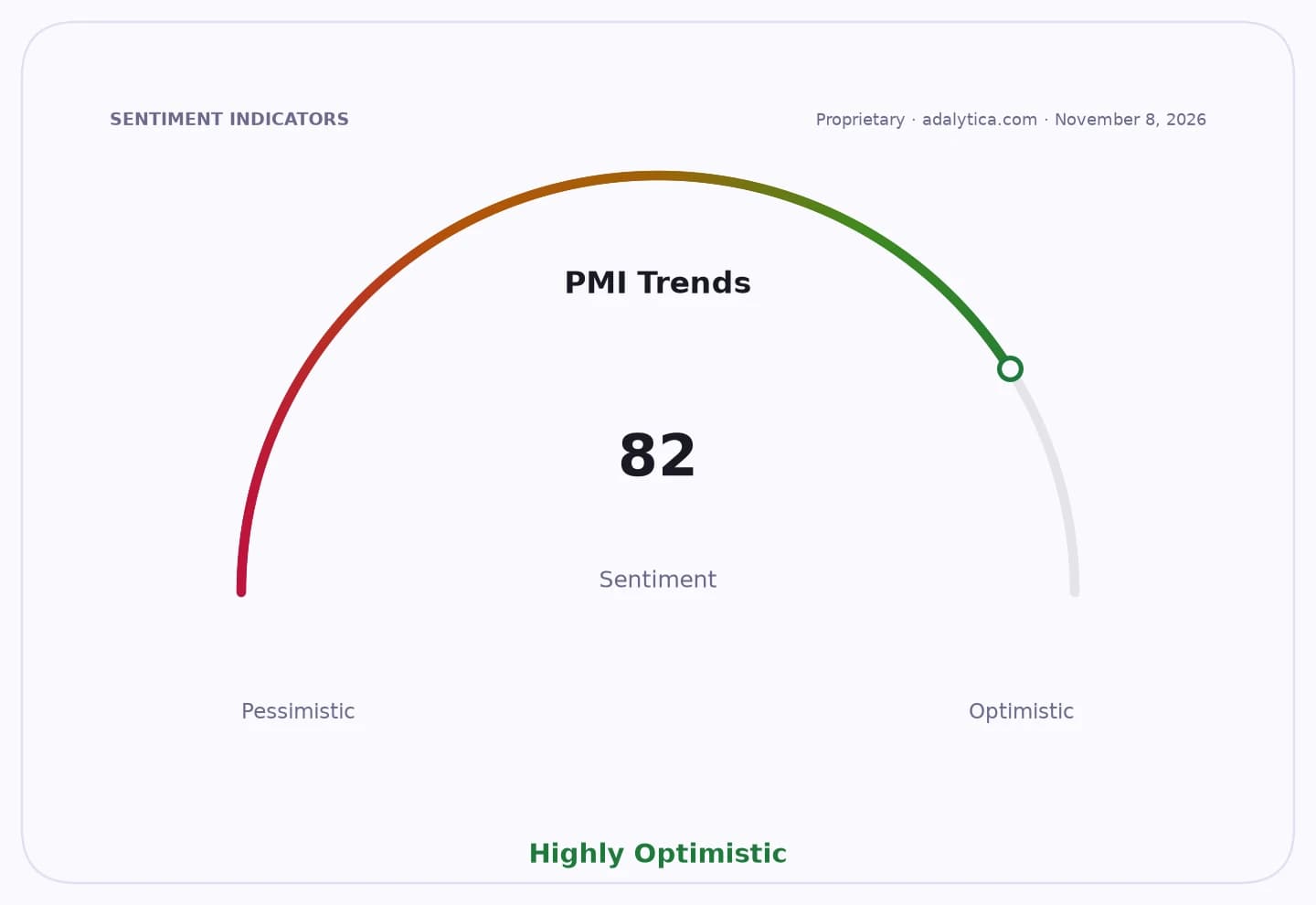
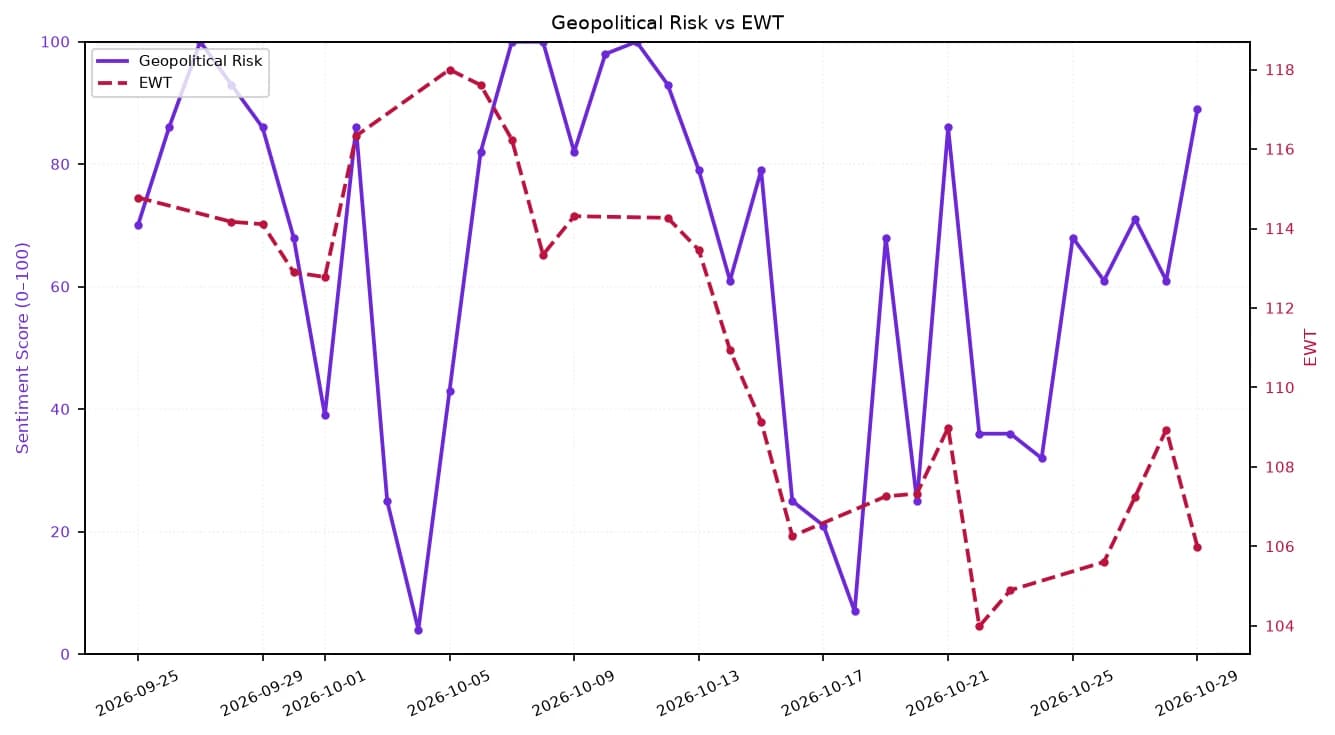
Sentiment Indicators
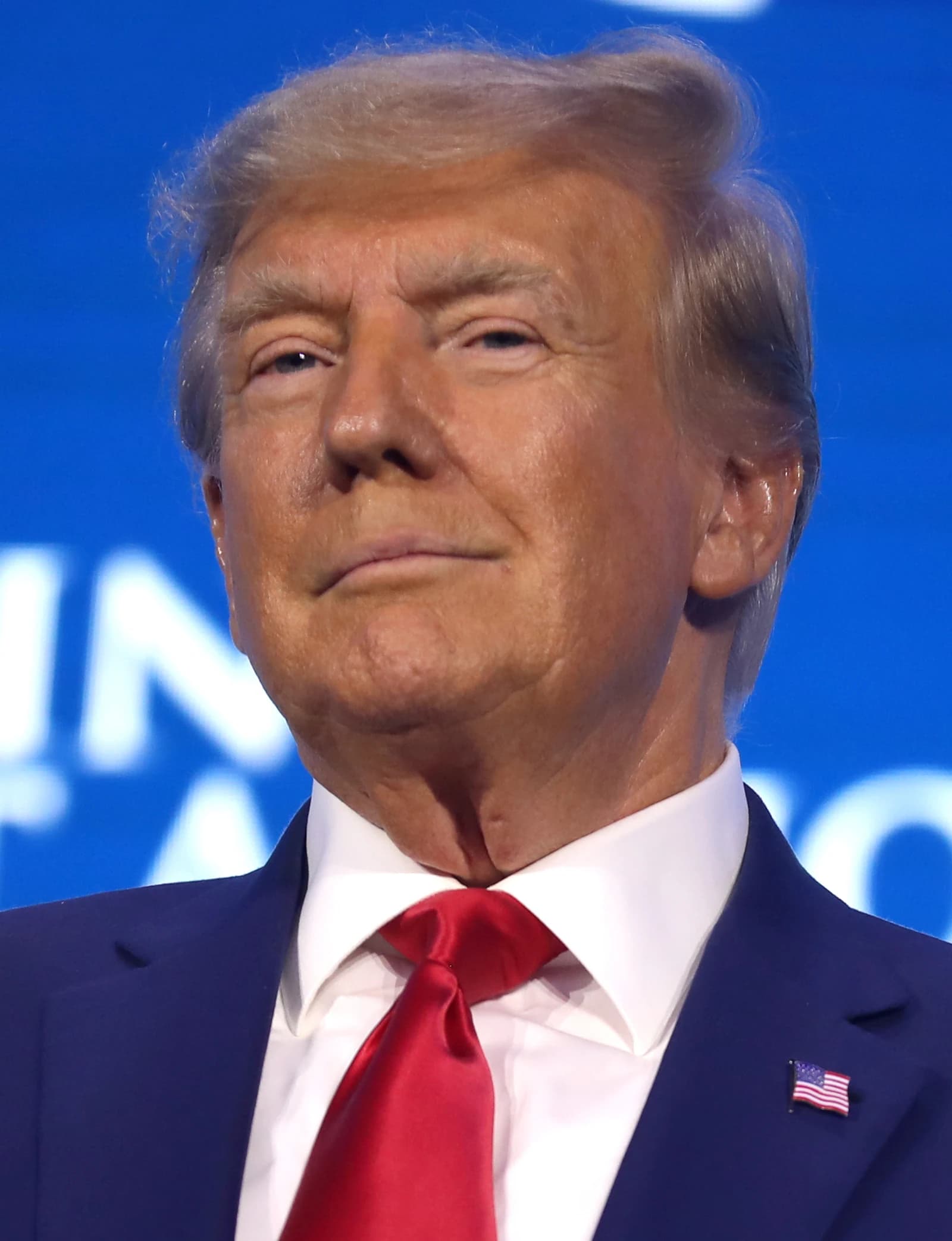
Trump’s comments at the Quad meeting in the Philippines were carefully chosen. By calling Modi “a very tough man” and saying he and Japanese Prime Minister Sanae Takaichi were “phenomenal people,” Trump signaled continuity with the security-first logic of the Quad even as his administration continues to press trade issues. He also said the four nations are “strong pillars” of a free and open Indo-Pacific, a phrase that still carries weight for defense contractors, energy infrastructure groups and Asia-facing multinationals.
For markets, the immediate issue is not whether the leaders smiled for the cameras. It is whether the warmth translates into room for compromise on tariffs and market access. India has already been hit by heavy U.S. tariffs under Trump’s second term, and the two sides have been working on a trade agreement. Any easing would support Indian exporters, improve sentiment toward Indian equities and strengthen the case for foreign capital inflows into manufacturing, logistics and infrastructure.
The contrast with China is just as important. Trump’s Manila stop comes before his meeting with Xi Jinping, and that sequence underscores a broader portfolio reality: investors are still looking for jurisdictions that can benefit if the U.S. deepens ties with allies while keeping pressure on Beijing. India remains one of the clearest beneficiaries of that rotation, especially if Washington keeps treating New Delhi as a strategic partner rather than just a trade counterparty.
That helps explain why Indian funds have remained a favored long-term play despite recent volatility. The iShares MSCI India ETF, INDA, has pushed back above both its 50-day and 200-day moving averages, a sign that traders are rebuilding exposure as the Quad narrative improves. The ETF’s RSI readings have been elevated, suggesting momentum traders are already leaning in. The broader India proxy, EPI, is showing a similar pattern, while China’s FXI has lagged and remains below its longer-term trend.
The message is clear: the market is still assigning a premium to India’s strategic optionality. If U.S.-India trade talks produce even a partial thaw — lower tariffs, better visibility on market access, or a more cooperative tone on industrial policy — that premium can widen. If not, investors may be forced to wait longer for the next leg of the India trade.
For now, the takeaway is straightforward. Trump’s praise of Modi may sound like personal diplomacy, but in this market it is really a signal that India remains too important to alienate. That makes India equities, selective industrials and infrastructure-linked exposure the asymmetry to watch into the next round of U.S.-India negotiations.
| Entity | Gains | Losses |
|---|---|---|
| India equities | ▲Strategic premium | ▼Tariff overhang |
| U.S.-India trade talks | ▲Diplomatic momentum | ▼Negotiating leverage |
| INDA / EPI | ▲Capital inflows | ▼Trade uncertainty |
| China / FXI | ▲Relative appeal fades | ▼India re-rating |