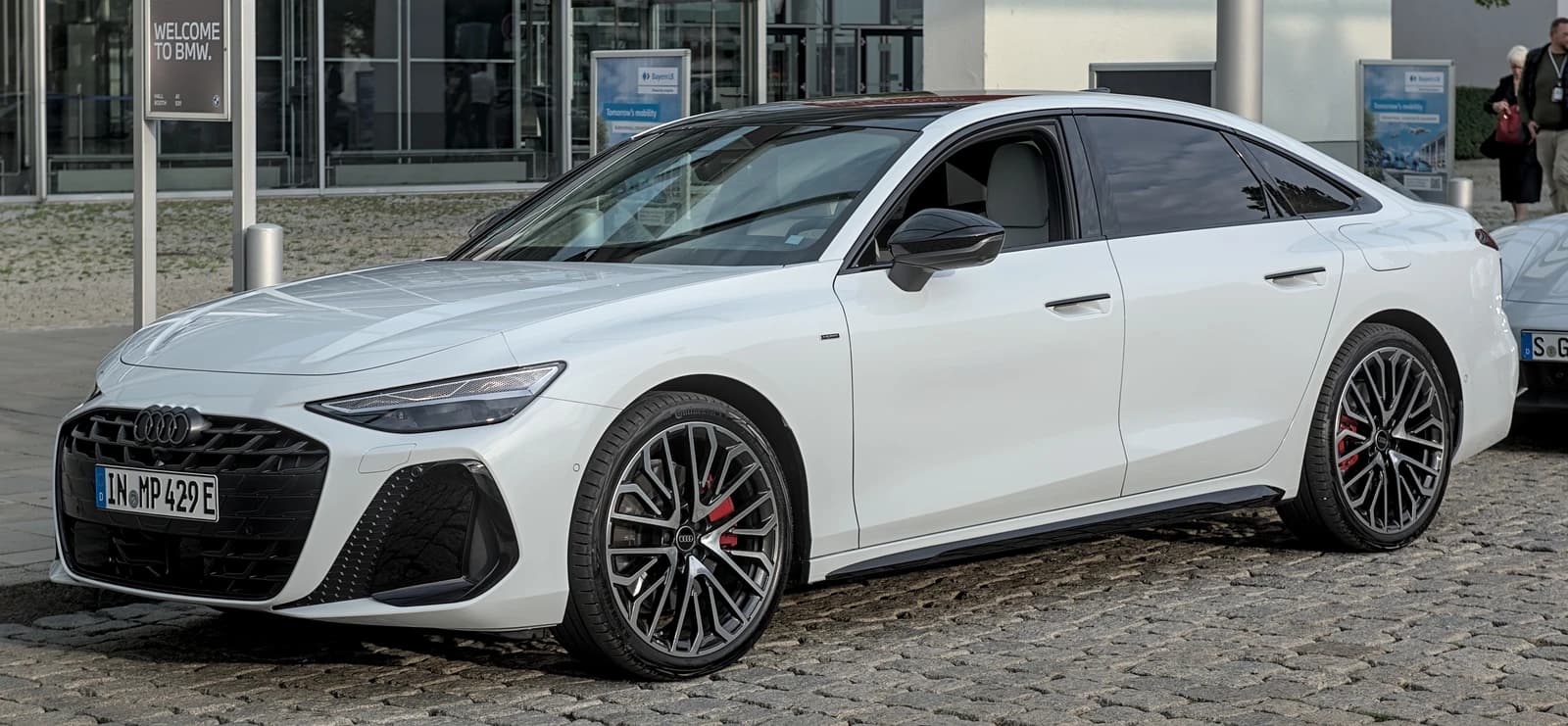
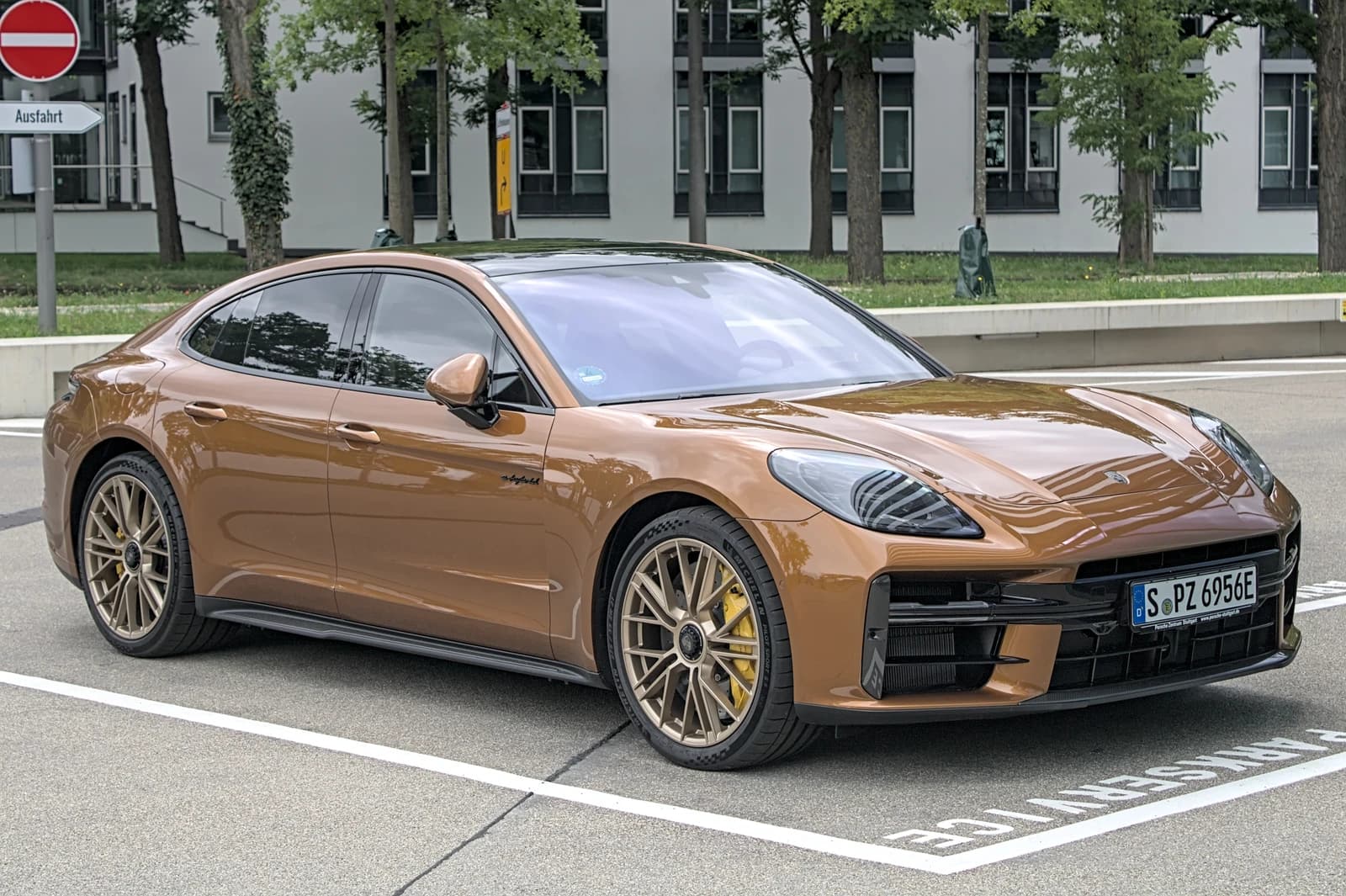
Pakistan’s vehicle market is being forced into a stark split between mass-market demand and luxury pricing, with Toyota’s latest listings underscoring how inflation, currency weakness and import constraints are pushing cars further out of reach for buyers.
Pakistan Toyota Car Prices Rise on Inflation
That matters because autos are a clean read on household purchasing power and broader consumer resilience. When a Toyota Corolla is listed at PKR 6.169 million, a Fortuner at PKR 14.699 million and a Land Cruiser at PKR 156.829 million, the market is not simply repricing metal and leather — it is repricing mobility itself. Higher sticker prices narrow the pool of eligible buyers, slow turnover and shift demand toward used vehicles, lower trims and financing, while squeezing dealers and importers that depend on volume.
Sentiment IndicatorsⓘProprietary · adalytica.com · September 8, 2026
This is a snapshot — live sentiment, awareness and momentum for 130+ markets update continuously in the dashboard.Open AlphaPulse
The data points to a market where utility still matters, but affordability is doing the heavy lifting. Toyota remains the anchor brand because Pakistanis value fuel efficiency, space and durability, yet even the most familiar models now sit at levels that would have been aspirational a few years ago. That leaves models such as the Hiace, Corolla Altis, Prado and Yaris competing not just on features, but on whether buyers can secure cash or credit in an economy where inflation has stayed elevated and purchasing power has eroded.
The macro backdrop reinforces the pressure. U.S. consumer prices were running at 333.979 in the latest data point, while industrial production remained only modestly above pre-pandemic levels. The comparison matters less for the United States itself than for what it says about global pricing power, financing costs and demand normalization: when inflation cools unevenly and rates stay restrictive, big-ticket consumer durables remain vulnerable, especially in markets like Pakistan where imported content and currency swings amplify every cost shock.
For investors, the opportunity is not in chasing the headline price tags. It is in spotting the second-order beneficiaries of a permanently more expensive car market: local assemblers, parts suppliers, financing providers, used-car platforms and maintenance businesses. Globally listed auto names such as Toyota, Ford and General Motors remain relevant because they can still win with scale, mix and pricing discipline, but the real asymmetric setup is in the ecosystem around affordability — the businesses that profit when consumers trade down, keep vehicles longer and lean harder on service and repair.
That is why the market should be watching the gap between luxury listings and entry-level demand, not just the absolute sticker price. If Pakistan’s car market is any guide, the next leg of auto returns may come from the toll roads around vehicle ownership, not from the vehicles themselves. For investors, that argues for positioning in parts, servicing and financing exposure rather than assuming a broad rebound in new-car volumes.
| Entity | Gains | Losses |
|---|---|---|
| Local used-car dealers | ▲Higher trade-in demand | ▼New-car volume pressure |
| Auto finance lenders | ▲Bigger loan tickets | ▼Credit risk from affordability |
| Parts and service businesses | ▲Longer vehicle lifecycles | ▼Fewer new registrations |
| Luxury import buyers | ▲Scarcity support for top trims | ▼Sticker shock and thinner demand |