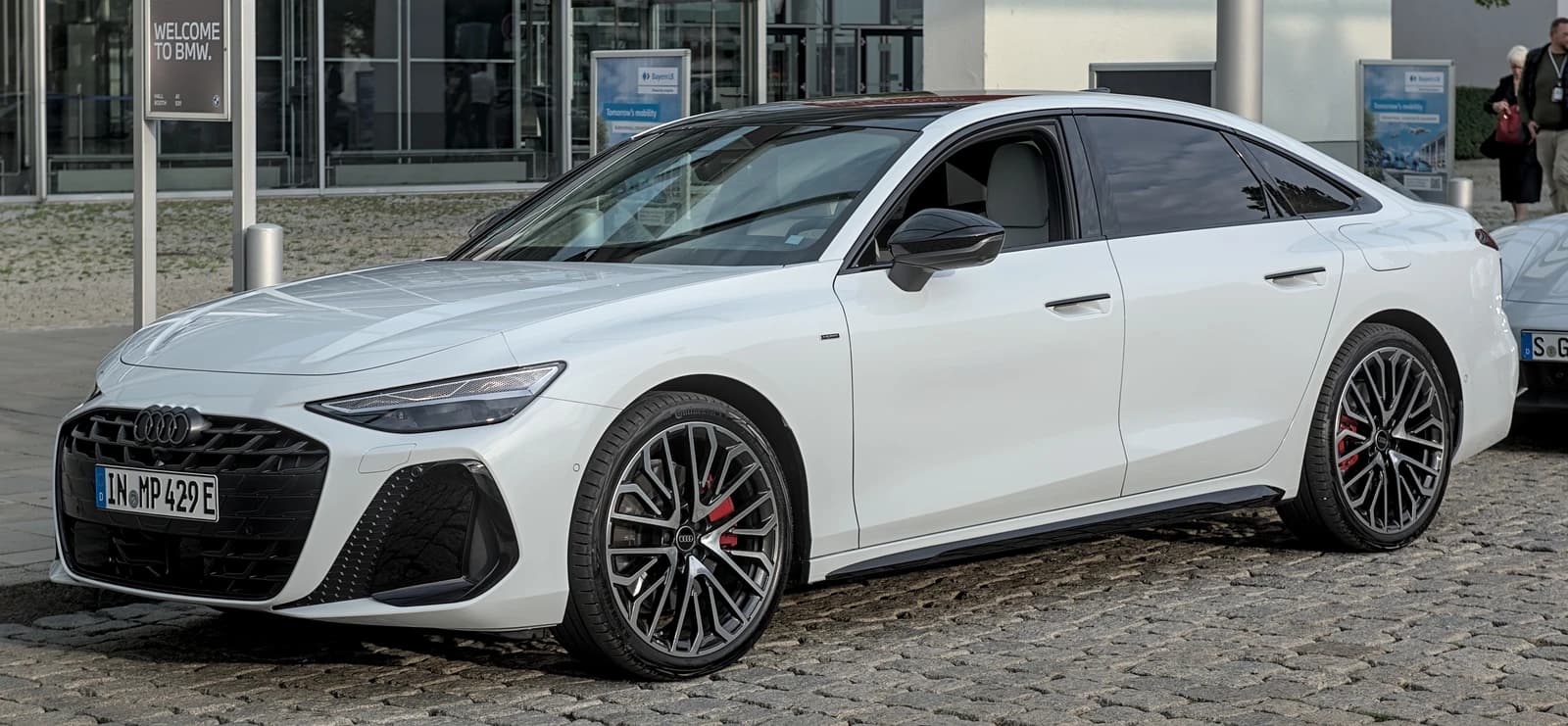
Pakistan’s used and imported car market remains under pressure as prices for Toyota, Mercedes-Benz, Porsche and BMW models stay high, reflecting expensive financing, a weak currency and a wider slowdown in affordability for consumers.
Pakistan used car prices stay high on weak rupee
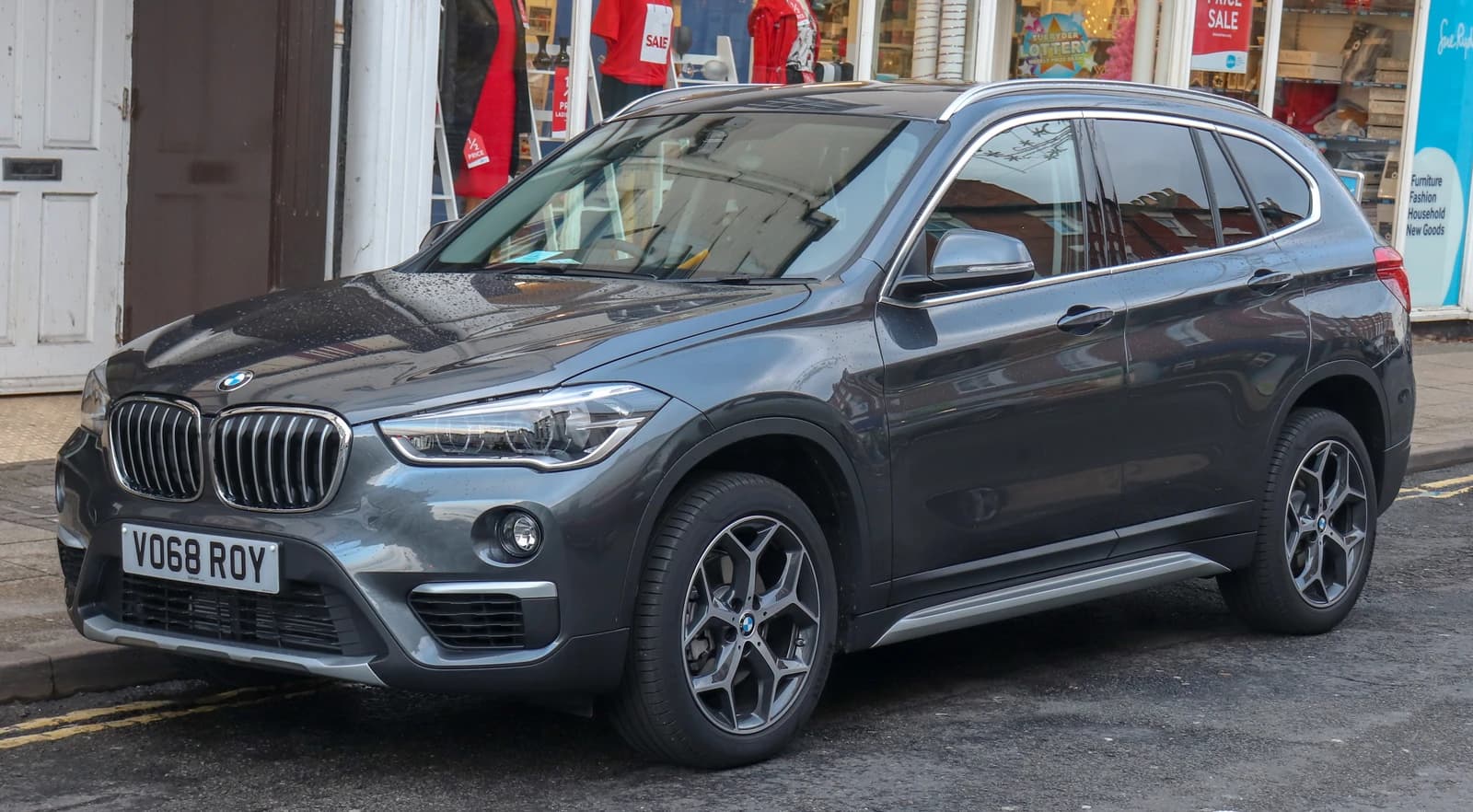
The clearest signal is from Toyota’s price list in Pakistan, where a 2024 Land Cruiser is quoted at PKR 156.8 million, while a 2024 Hilux costs PKR 16.1 million and a 2024 Corolla PKR 6.17 million. Even a 2022 Aqua is listed at PKR 4.5 million, underscoring how transport inflation has pushed entry-level and premium models farther out of reach for buyers.
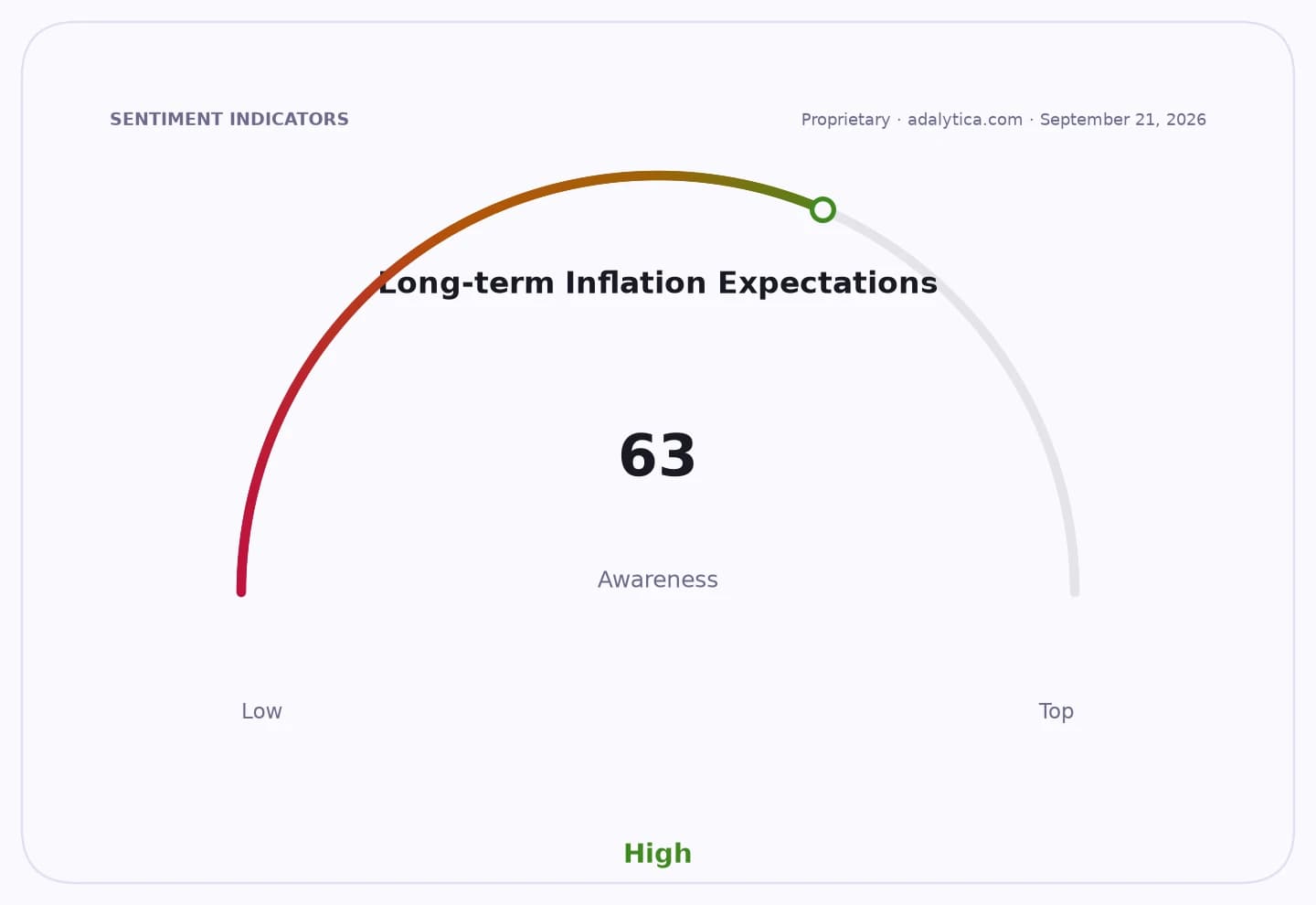
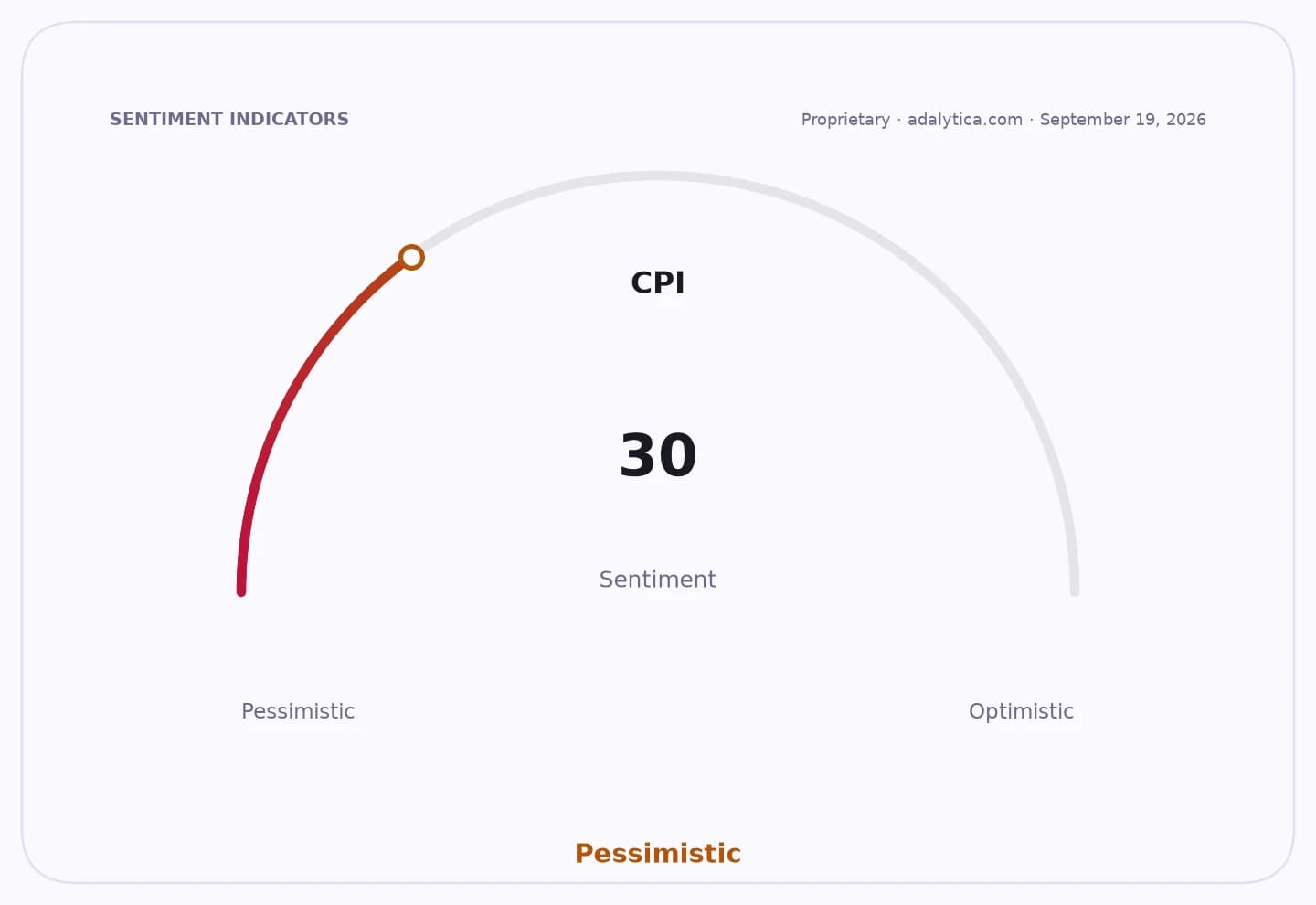
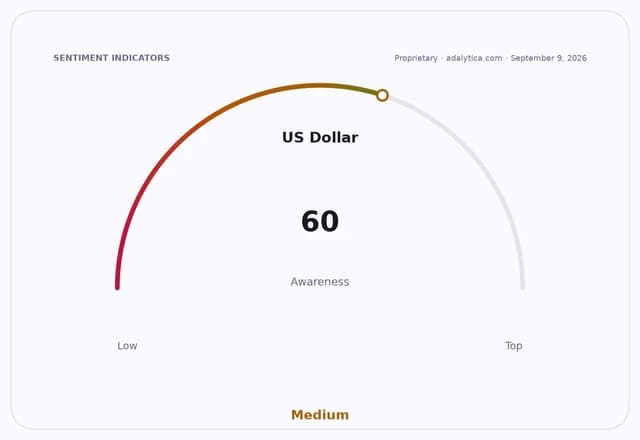
Sentiment IndicatorsⓘProprietary · adalytica.com · September 9, 2026
This is a snapshot — live sentiment, awareness and momentum for 130+ markets update continuously in the dashboard.Open AlphaPulse
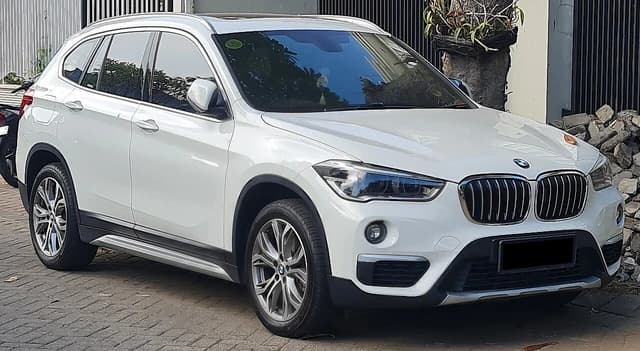
That matters economically because cars are a visible proxy for household purchasing power and import-cost pressures. When a mainstream brand such as Toyota can command multi-million-rupee prices across its lineup, it points to persistent strain from financing costs, import duties and exchange-rate volatility rather than a temporary pricing spike.
The broader backdrop is not isolated to Pakistan. US inflation, as measured by the CPI series, has climbed to 332.8 in July from 332.6 in June, while the 10-year Treasury yield sits near 4.78%, keeping global borrowing costs elevated. In Pakistan, that combination tends to tighten consumer credit and discourage big-ticket purchases, while also making imported inventory more expensive to finance and stock.
Investor relevance is strongest for automakers, dealers, financiers and luxury brands exposed to emerging markets. Toyota Motor, Mercedes-Benz, BMW and Porsche benefit from resilient pricing power on higher-end models, but volume growth becomes harder to sustain if local affordability keeps eroding.
Toyota Motor’s US-listed shares were last at $192.09, below their 200-day moving average of $202.20, after a volatile run that saw the stock briefly climb above $248 earlier this year. Volkswagen’s US shares were last around $9.45, while US dollar sentiment tracked by Adalytica remains in “Greed” territory, a backdrop that can keep import costs and cross-border pricing pressures in focus.
For investors, the key question is whether demand can absorb these price levels into year-end, or whether dealers will need deeper discounts, softer margins or more financing incentives to move metal. The next catalyst is likely to come from currency moves, rate expectations and any signs of inventory buildup in import-dependent auto markets.
| Entity | Gains | Losses |
|---|---|---|
| Toyota, Porsche, BMW, Mercedes-Benz | ▲Pricing power on premium models | ▼Volume risk from weak affordability |
| Pakistani dealers | ▲Higher rupee selling prices | ▼Slower showroom traffic |
| Consumers | ▲Wider model choice | ▼Higher ownership costs |
| Lenders/importers | ▲Demand for financing and inventory turnover | ▼Credit risk and margin pressure |