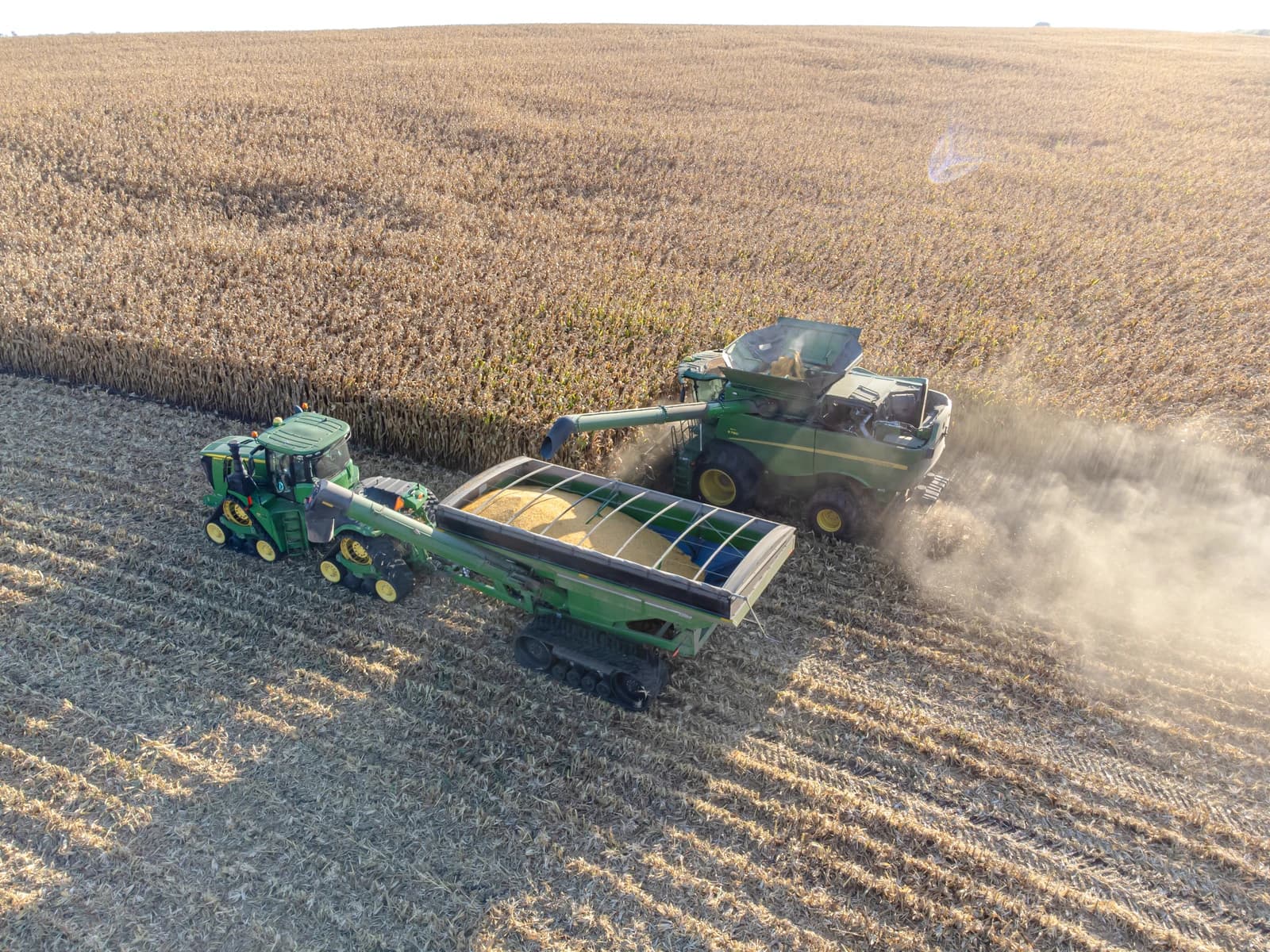
Paraguay’s corn export slump is being driven less by weak harvests than by stronger local demand, a shift that is shrinking the country’s exportable surplus and trimming hard-currency inflows.
Paraguay Corn Exports Fall as Local Demand Rises
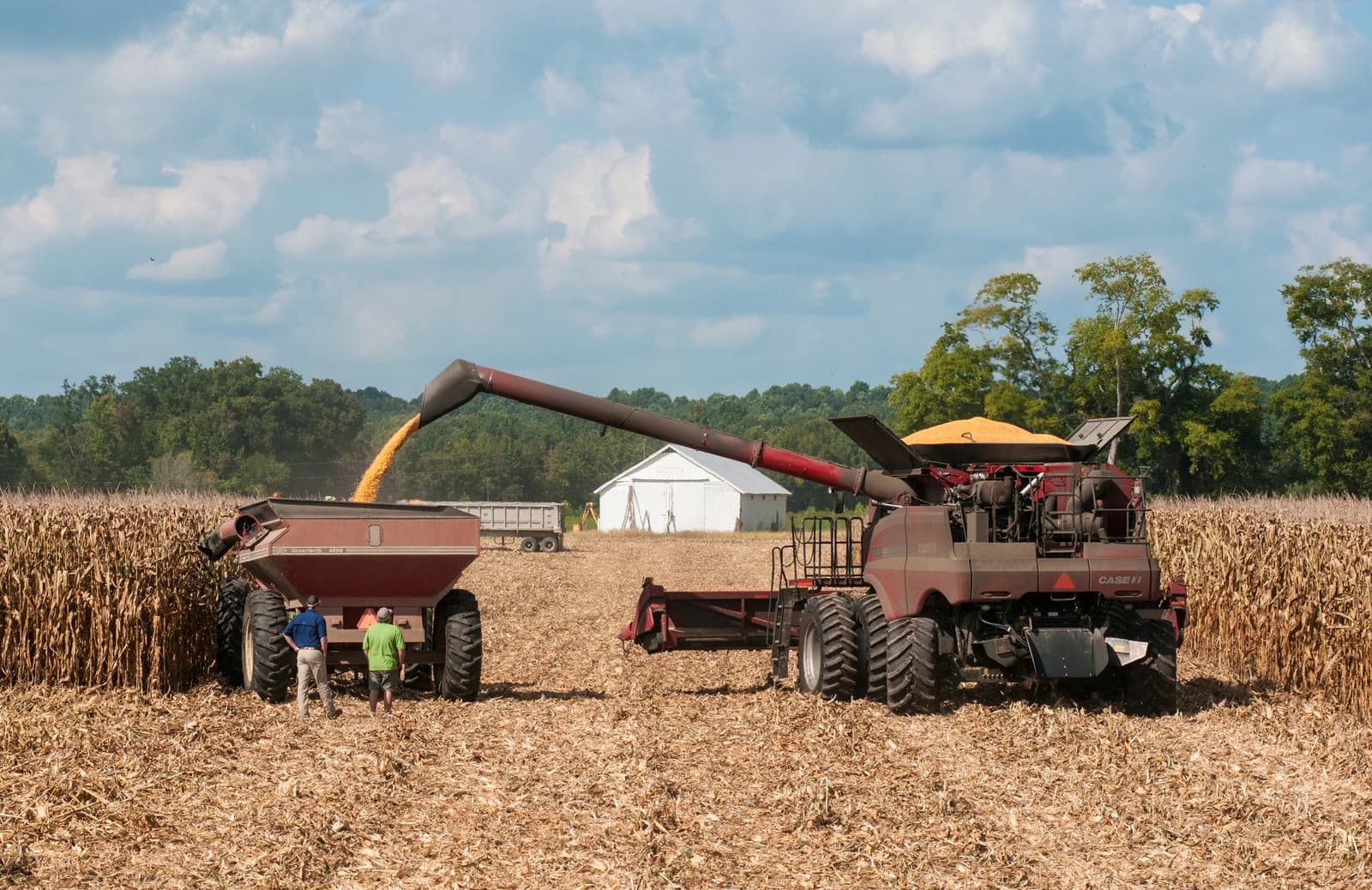
The South American grain exporter shipped 1.45 million tonnes of corn from June through October, down 37% from 2.31 million tonnes a year earlier, according to Capeco, the Paraguayan chamber of exporters. Export earnings over the first 10 months fell to $368 million from $468 million, a drop that matters for a country where agricultural shipments remain a key source of foreign exchange.
Sentiment Indicators
The immediate economic story is that more of Paraguay’s corn is being absorbed at home. Capeco said the grain is increasingly diverted to ethanol plants and to livestock producers, especially poultry and pigs, leaving less for overseas buyers. That is a sign of a domestic value-add shift that can support industrial activity and feed demand, but it also means fewer export volumes available in a market where Paraguay competes on price and logistics.
There are also operational frictions. Capeco said high delays at the Friendship Bridge, the main crossing between Paraguay and Brazil, are slowing grain flows and adding to the export decline. In a low-margin business, transport bottlenecks can be as important as farm output in determining where the crop ends up.
The destination mix shows Paraguay remains heavily reliant on nearby markets. Brazil took 70% of shipments, followed by Uruguay at 20%, while South Korea, Chile and Mauritius accounted for the rest. That concentration underlines how domestic demand can quickly reshape trade balances when regional buyers are close enough to absorb supply.
For investors, the development has a mixed read-through. Higher domestic use is supportive for Paraguay’s ethanol and livestock chains, and it may help local processors, feed users and integrated agri-businesses. But it is a headwind for exporters and traders exposed to shipment volumes, and it reduces the flow of dollar revenue into the economy.
The broader backdrop is a tighter global corn market. Corn futures have remained volatile this year as weather and trade disruptions have tightened supply expectations, while benchmarks for other grains and energy have also swung sharply. In that environment, any sustained reduction in export availability from a supplier like Paraguay can matter at the margin, especially for regional importers.
The key question now is whether Paraguay’s corn balance stays structurally tighter. If domestic ethanol demand and livestock expansion continue to absorb more of the crop, export volumes may remain under pressure even if harvests hold up. That would keep more value inside the country, but it would also cap Paraguay’s near-term grain export growth and leave traders watching logistics and local feed demand as closely as farm output.
| Entity | Gains | Losses |
|---|---|---|
| Paraguayan ethanol plants | ▲More feedstock supply | ▼Higher competition for corn |
| Poultry and pig producers | ▲Steadier local grain access | ▼Export-oriented sellers |
| Corn exporters | ▲— | ▼Lower volumes and revenue |
| Brazil and Uruguay buyers | ▲Regional supply still available | ▼Less Paraguayan export surplus |